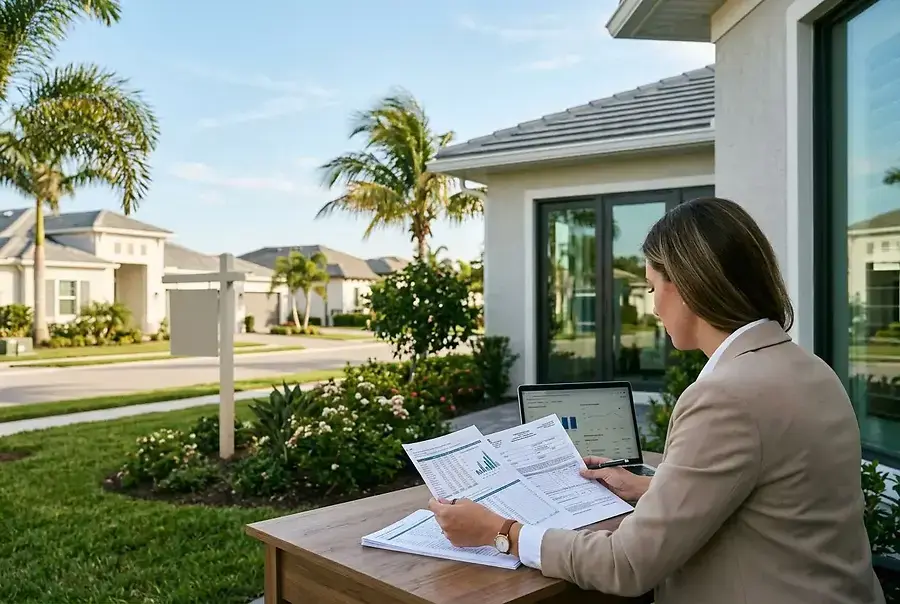
Understanding Southwest Florida Property Tax Assessment Methods
Property tax assessment in Southwest Florida follows a standardized approach designed to ensure fair and equitable taxation across residential communities. The county property appraiser's office evaluates homes based on several key factors, including square footage, lot size, construction quality, age of the property, and comparable sales data from the local market.
The assessment process begins with a physical inspection of your property, where trained appraisers evaluate structural condition, improvements, and overall maintenance. This information is combined with recent comparable sales in your neighborhood to determine your home's assessed value. Understanding this methodology is crucial for homeowners who want to ensure their assessments are accurate and fair.
The Role of Market Data in Assessments
Appraisers rely heavily on recent sales data from similar properties in your area. In Cape Coral, Fort Myers, and Punta Gorda, the dynamic real estate market means that comparable sales can vary significantly. Properties with similar characteristics but different sale prices may result in adjusted assessments that reflect current market conditions.
Key factors appraisers consider include:
- Waterfront location and proximity to water features
- Neighborhood amenities and school district quality
- Age and condition of major systems (roof, HVAC, plumbing)
- Recent renovations or upgrades
- Lot size and topography
How Recent Market Changes Affect Your Home's Tax Value
The Southwest Florida residential market has experienced significant fluctuations in recent years, directly impacting property tax assessments. When home values increase rapidly, assessed values typically follow suit, resulting in higher property tax bills for homeowners. Conversely, market downturns can lead to reduced assessments and lower tax obligations.
Market Volatility and Assessment Adjustments
Recent market trends show that properties in desirable Southwest Florida communities have seen substantial appreciation. This appreciation translates directly into higher assessed values, which can surprise homeowners when their tax bills arrive. Understanding this connection helps you anticipate potential increases and plan your finances accordingly.
The relationship between market value and assessed value is not always one-to-one. Some properties may be assessed below market value due to outdated information or assessment lag, while others may be assessed above market value if comparable sales data is limited.
Protecting Your Investment During Market Changes
Homeowners should monitor their assessed values regularly and stay informed about market trends in their specific neighborhoods. Properties in waterfront communities like Cape Coral may experience different appreciation rates than inland properties in Fort Myers or Punta Gorda. This variation means your tax burden may increase or decrease based on localized market conditions rather than broader economic trends.
Strategies to Appeal Assessments and Reduce Your Tax Burden
If you believe your property has been assessed unfairly, Florida law provides homeowners with the right to appeal. The appeal process is designed to be accessible and fair, allowing you to present evidence supporting a lower assessment value.
Preparing Your Appeal Case
A successful appeal requires documentation and evidence. Gather recent appraisals, comparable sales data for similar properties, photographs documenting property condition, and any evidence of defects or needed repairs. Professional appraisals can be particularly valuable in demonstrating that your assessed value exceeds the true market value.
Steps to file an appeal:
- Request a copy of your property record card from the county appraiser
- Review the assessment details for accuracy and completeness
- Gather supporting documentation and comparable sales data
- File your petition within the designated timeframe
- Attend the Value Adjustment Board hearing if necessary
Working with Assessment Professionals
Many homeowners find success by working with property tax consultants or real estate professionals familiar with local assessment practices. These experts understand the nuances of Southwest Florida's market and can effectively present your case to the Value Adjustment Board. While there is a cost associated with professional representation, the potential tax savings often justify the investment.
Pro Tip: The appeal deadline is typically January 31st each year. Mark this date on your calendar to ensure you don't miss the opportunity to challenge your assessment.
Planning for Long-Term Tax Implications in Your Real Estate Investment
Property taxes represent a significant ongoing cost of homeownership in Southwest Florida. Strategic planning can help you manage these expenses and protect your investment's long-term profitability.
Tax Planning Strategies for Homeowners
Consider the homestead exemption, which provides substantial tax relief for primary residences in Florida. This exemption reduces your assessed value by $50,000, resulting in significant annual savings. Additionally, homeowners aged 65 and older may qualify for additional exemptions that further reduce their tax burden.
For investment properties, understanding depreciation deductions and other tax benefits available to landlords can improve your overall return on investment. Consult with a tax professional to ensure you're maximizing available deductions and credits.
Budgeting for Future Tax Increases
As Southwest Florida continues to grow and develop, property values may continue to appreciate. When budgeting for homeownership costs, assume modest annual increases in property taxes. This conservative approach ensures you're financially prepared for potential tax increases and helps you make informed decisions about your real estate investments.
Staying Informed and Proactive
The most successful homeowners stay informed about their local real estate market, assessment practices, and available tax relief programs. Attend community meetings, review your property record card annually, and maintain open communication with your county appraiser's office. By taking a proactive approach to property tax management, you can minimize your tax burden and maximize your investment returns in Southwest Florida's dynamic residential market.
Whether you own a home in Cape Coral's waterfront communities, a property in Fort Myers' diverse neighborhoods, or a residence in Punta Gorda's growing market, understanding and managing your property taxes is essential to long-term financial success as a homeowner.
