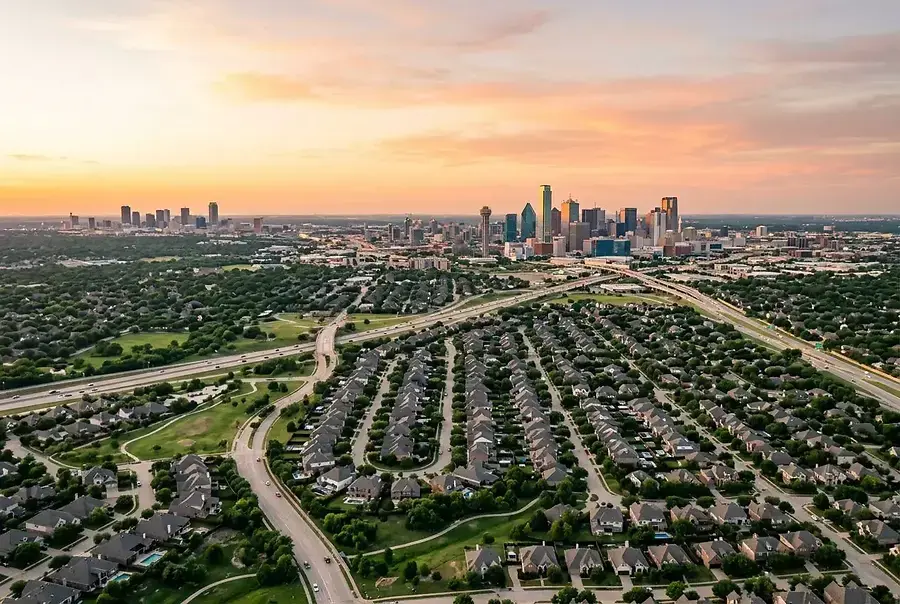
Understanding North Texas Property Value Drivers
The North Texas real estate market, particularly across the Dallas-Fort Worth metroplex, represents one of the most dynamic and competitive housing markets in the United States. Whether you're a first-time homebuyer, an experienced investor, or someone looking to relocate, understanding what drives property values in this region is essential for making sound financial decisions.
Property values in North Texas are influenced by a complex interplay of factors that extend far beyond simple supply and demand. Economic growth, population migration, neighborhood amenities, school district quality, and proximity to employment centers all play significant roles in determining what homes are worth in different areas. By understanding these drivers, you can better position yourself to identify emerging opportunities and avoid potential pitfalls in this competitive market.
The Dallas-Fort Worth area has experienced remarkable growth over the past decade, attracting businesses, young professionals, and families from across the nation. This influx of residents has created diverse neighborhoods with varying price points, each offering unique advantages and investment potential.
How Location Impacts Home Values Across DFW Communities
Proximity to Employment Centers
One of the most significant factors affecting property values in North Texas is proximity to major employment hubs. The Dallas central business district, the Fort Worth downtown area, and the Las Colinas business corridor continue to attract major corporations and create thousands of jobs. Homes located within reasonable commuting distance to these employment centers typically command higher prices due to increased demand from workers seeking convenient access.
Neighborhoods like Uptown Dallas, Deep Ellum, and areas near the DFW International Airport have seen substantial appreciation as they offer shorter commutes and vibrant urban lifestyles. Conversely, properties further from these centers may offer more affordable entry points but require longer commutes.
School District Quality and Family Appeal
For families with children, school district ratings significantly influence property values. Highly-rated school districts such as Highland Park, Plano, and Frisco consistently see premium pricing because parents are willing to invest more for quality education. These districts often feature newer construction, well-maintained infrastructure, and strong community engagement, all of which contribute to higher property valuations.
The relationship between school quality and home prices is particularly pronounced in suburban communities, where families prioritize educational opportunities for their children.
Neighborhood Amenities and Lifestyle Factors
Modern homebuyers increasingly value neighborhoods that offer more than just housing. Properties in areas with the following characteristics typically appreciate faster:
- Access to parks, trails, and recreational facilities
- Proximity to shopping, dining, and entertainment venues
- Community centers and cultural attractions
- Walkability and pedestrian-friendly infrastructure
- Well-maintained public spaces and low crime rates
Neighborhoods like Uptown, Bishop Arts District, and the Lakewood area in Dallas have leveraged these amenities to attract younger demographics and command premium prices. Similarly, suburban communities like McKinney and Frisco have invested heavily in parks and recreational facilities, making them increasingly attractive to families.
Market Trends and Price Comparisons in Key North Texas Areas
Dallas Core Markets
The Dallas proper market has experienced significant transformation. Urban neighborhoods have seen renewed interest as younger professionals seek walkable communities with vibrant nightlife and cultural amenities. Areas like Uptown, Deep Ellum, and Oak Lawn have experienced strong appreciation, with median home prices reflecting the desirability of urban living.
Meanwhile, established neighborhoods like Highland Park and University Park maintain their status as some of the most expensive real estate in Texas, with properties often exceeding several million dollars. These areas offer a combination of prestigious addresses, excellent schools, and established community character.
Fort Worth and Surrounding Areas
Fort Worth has emerged as an increasingly attractive alternative to Dallas, offering slightly more affordable options while maintaining strong growth potential. Neighborhoods like Sundance Square, the Cultural District, and areas near TCU University have seen renewed investment and appreciation. The city's emphasis on revitalization and cultural development has made it an appealing destination for both residents and investors.
Suburban areas surrounding Fort Worth, including Arlington and Irving, offer more moderate pricing while still providing access to employment centers and quality amenities.
Suburban Growth Corridors
The northern suburbs, particularly Plano, Frisco, and McKinney, represent some of the fastest-growing areas in North Texas. These communities have attracted major corporate relocations and expansions, creating robust job markets that support strong housing demand. Property values in these areas have appreciated significantly, though they remain more affordable than central Dallas neighborhoods.
Key factors driving suburban appreciation include:
- Corporate headquarters and major business relocations
- Excellent school districts with strong academic performance
- New construction and modern amenities
- Family-friendly community planning
- Lower crime rates and strong community safety
Emerging Neighborhoods and Investment Opportunities
Savvy investors often look to emerging neighborhoods where values are beginning to appreciate but haven't yet reached peak prices. Areas undergoing revitalization, receiving infrastructure improvements, or attracting new businesses often present compelling opportunities. Neighborhoods near planned transit improvements or new commercial developments frequently see accelerated appreciation as these projects come to fruition.
Using Market Insights to Make Informed Real Estate Decisions
Understanding North Texas property value drivers empowers you to make strategic real estate decisions aligned with your goals and timeline. Whether you're buying your first home, upgrading to a larger property, or investing for long-term appreciation, market knowledge is your greatest asset.
Consider your priorities carefully: Do you value urban convenience and cultural amenities, or do you prefer suburban tranquility and family-oriented communities? Are you seeking immediate appreciation potential or long-term stability? Understanding your own needs in relation to market dynamics will guide you toward the right neighborhoods and properties.
Work with local real estate professionals who understand the nuances of different North Texas markets. They can provide insights into neighborhood trends, upcoming developments, and pricing patterns that might not be immediately apparent to outsiders. Additionally, stay informed about economic news, corporate relocations, and infrastructure projects that could impact your chosen area.
The North Texas real estate market offers tremendous opportunities for those who take time to understand its complexities. By considering location factors, market trends, and your personal priorities, you can navigate this dynamic market with confidence and make decisions that align with your financial goals.