The Critical Role of Appraisals in Residential Sales
When you list your home for sale, one of the most important factors that will determine your success is the residential property appraisal. Whether you're a first-time seller or a seasoned real estate investor, understanding how appraisals work is essential to achieving your financial goals. An appraisal is an independent, professional assessment of your home's fair market value, and it plays a crucial role in the entire sales process.
The appraisal serves multiple purposes in a real estate transaction. For buyers, it ensures they're not overpaying for the property. For lenders, it protects their investment by confirming the property's value supports the loan amount. For sellers, a favorable appraisal can validate your asking price and help close the deal smoothly. A low appraisal, however, can derail negotiations and potentially cost you thousands of dollars.
Understanding the appraisal process and taking proactive steps to prepare your home can significantly impact the final appraised value. This knowledge empowers you to present your property in the best possible light and maximize your return on investment.
How Residential Property Appraisals Are Conducted and What Appraisers Evaluate
The Appraisal Process
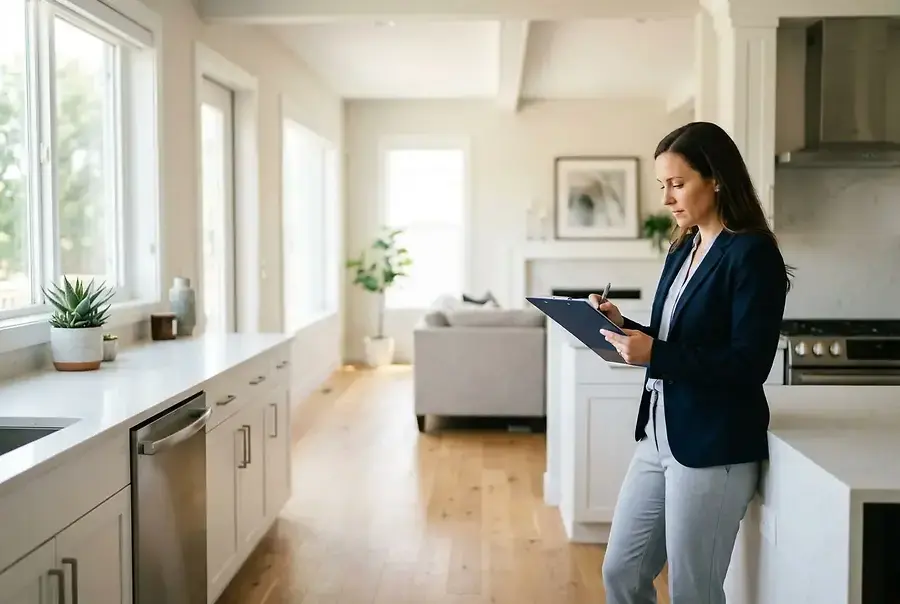
A licensed appraiser will conduct a thorough inspection of your property, typically lasting 30 minutes to several hours depending on the home's size and complexity. The appraiser will examine both the interior and exterior of your home, taking measurements, photographs, and detailed notes about the property's condition and features.
Key Factors Appraisers Evaluate
Appraisers consider numerous factors when determining your home's value:
- Location and Neighborhood: Proximity to schools, shopping, employment centers, and the overall desirability of the neighborhood significantly impact value.
- Property Size and Layout: Square footage, number of bedrooms and bathrooms, and the functional flow of the home are critical considerations.
- Structural Condition: The foundation, roof, walls, and overall structural integrity are thoroughly assessed.
- Systems and Utilities: HVAC systems, plumbing, electrical systems, and water heaters are evaluated for age and functionality.
- Interior Condition: Flooring, walls, ceilings, kitchen, bathrooms, and overall cleanliness and maintenance are examined.
- Exterior Features: Landscaping, driveway, deck or patio, and curb appeal are assessed.
- Comparable Sales: Appraisers research recent sales of similar properties in your area to establish a baseline for valuation.
- Special Features: Upgrades like energy-efficient windows, updated appliances, or smart home technology can add value.
The Appraisal Report
After the inspection, the appraiser compiles a detailed report that includes photographs, measurements, condition assessments, and a final estimated value. This report becomes part of the official transaction record and is used by all parties involved in the sale.
Proven Strategies to Prepare Your Home and Maximize Your Appraisal Value
Enhance Curb Appeal
First impressions matter significantly to appraisers. Invest in your home's exterior by maintaining the landscaping, painting the front door, cleaning the driveway, and ensuring the roof is in good condition. A well-maintained exterior can positively influence the appraiser's overall perception of the property.
Declutter and Clean Thoroughly
A clean, organized home appears better maintained and allows appraisers to see the property's true condition. Remove personal items, excess furniture, and clutter. Deep clean all areas, including windows, baseboards, and appliances. A spotless home suggests responsible ownership and proper maintenance.
Address Obvious Repairs and Maintenance Issues
Fix any visible problems before the appraisal. This includes leaky faucets, broken light fixtures, cracked tiles, peeling paint, and damaged flooring. While you don't need to undertake major renovations, addressing minor repairs demonstrates that the home has been well-maintained and can prevent the appraiser from deducting value for deferred maintenance.
Document Recent Improvements and Upgrades
Compile a list of any recent upgrades or improvements you've made, such as a new roof, updated HVAC system, new kitchen appliances, or bathroom renovations. Provide receipts and documentation to the appraiser. These improvements can justify a higher appraised value and demonstrate your investment in the property.
Highlight Special Features and Amenities
Make sure the appraiser is aware of any special features that add value, such as:
- Energy-efficient upgrades (solar panels, insulation, windows)
- Smart home technology
- Updated kitchen or bathrooms
- Finished basement or bonus rooms
- Outdoor living spaces (deck, patio, pool)
- Storage solutions and built-in features
Prepare Comparable Sales Information
Research recent sales of similar homes in your neighborhood. Provide this information to your real estate agent, who can share it with the appraiser. This helps establish that your asking price is justified by comparable market data and can support a higher appraisal value.
Ensure Easy Access for the Appraisal
Make sure all areas of your home are accessible and safe for the appraiser to inspect. Unlock gates, clear pathways, and ensure the appraiser can access the attic, basement, and crawl spaces if applicable. Cooperation and accessibility create a positive impression.
Maintain Proper Documentation
Keep records of all maintenance, repairs, and improvements. A well-documented history of property care can positively influence the appraiser's assessment of the home's overall condition and value.
Using Appraisal Knowledge to Strengthen Your Selling Position
Understanding residential appraisals empowers you to take control of your home's valuation. By preparing your property strategically and presenting it professionally, you can maximize the appraised value and strengthen your negotiating position.
Remember: An appraisal is not just about the final number—it's about demonstrating that your home is well-maintained, properly valued, and worth the investment. When you approach the appraisal process proactively, you increase the likelihood of a favorable outcome that supports your selling goals and helps you achieve the best possible return on your property investment.
Work closely with your real estate agent throughout the process, address any concerns that arise from the appraisal, and use this knowledge to navigate your residential sale with confidence and success.