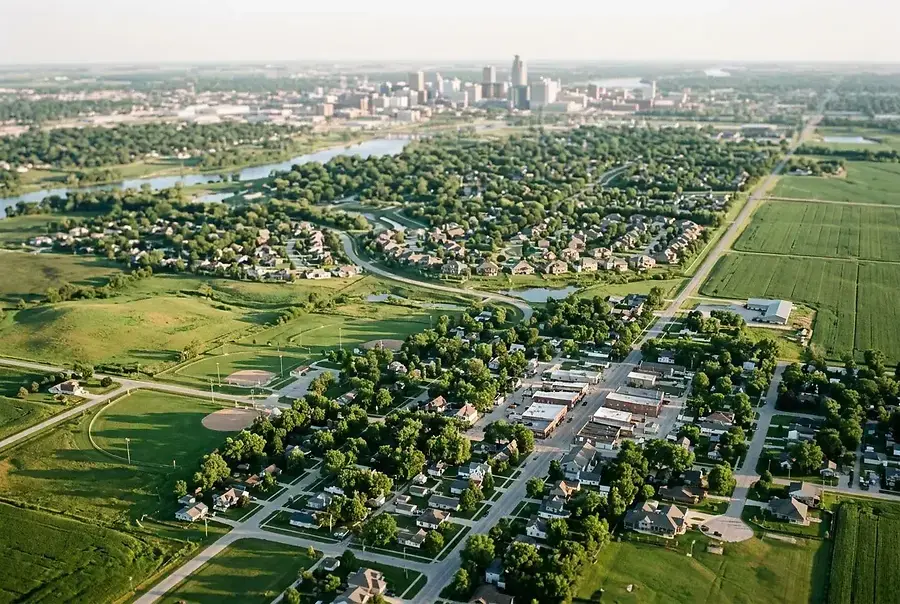
Introduction: Understanding Your Options Across Nebraska's Residential Landscape
Nebraska offers homebuyers a remarkable range of residential communities, each with its own unique character, amenities, and investment potential. From the quiet charm of small towns like Firth to the vibrant growth of larger cities like Fremont, the state presents diverse opportunities for families, professionals, and retirees alike. Whether you're relocating to Nebraska or searching for your next home within the state, understanding the differences between neighborhoods is essential to making an informed decision that aligns with your lifestyle and financial goals.
The Nebraska housing market has evolved significantly, with communities across the state offering distinct advantages. Some neighborhoods emphasize affordability and small-town living, while others provide urban conveniences and robust job markets. This guide will help you navigate these options and discover which community best suits your needs.
Neighborhood Comparison: Key Factors That Distinguish Each Community
Lifestyle and Community Character
Each Nebraska neighborhood offers a distinct lifestyle. Smaller towns like Firth provide a tight-knit community atmosphere where neighbors know each other and local events bring residents together. These communities often feature lower population density, quieter streets, and a focus on agricultural heritage and rural traditions.
In contrast, larger cities like Fremont offer more urban amenities, including diverse dining options, entertainment venues, shopping centers, and cultural attractions. These communities typically have more robust public transportation options and a wider variety of professional services.
Schools and Education
School quality significantly impacts neighborhood desirability. Consider these factors when evaluating communities:
- School district ratings and academic performance metrics
- Availability of specialized programs such as STEM or arts education
- Student-to-teacher ratios and class sizes
- Extracurricular activities and sports programs
- Distance from your home to school facilities
Employment Opportunities and Economic Growth
The job market varies significantly across Nebraska neighborhoods. Larger communities typically offer more diverse employment opportunities across multiple industries, while smaller towns may have economies centered around agriculture, manufacturing, or specific employers. Research the major employers in your target community and assess whether your profession has growth potential in that area.
Safety and Crime Rates
Neighborhood safety is paramount. Review crime statistics, speak with current residents, and visit neighborhoods at different times of day to get a genuine feel for safety and security. Many communities publish annual safety reports that provide valuable insights.
Recreational Amenities and Outdoor Activities
Quality of life extends beyond your home. Look for neighborhoods offering:
- Parks and green spaces for outdoor recreation
- Walking and biking trails
- Community centers and fitness facilities
- Sports leagues and recreational programs
- Proximity to natural attractions and scenic areas
Market Insights: Home Values, Affordability, and Investment Potential by Location
Understanding Price Variations Across Communities
Nebraska's housing market demonstrates significant price variations based on location, community size, and development stage. Rural and small-town properties typically offer the most affordable options, with lower median home prices and reduced property taxes. These communities appeal to buyers prioritizing affordability and a slower pace of life.
Mid-sized communities balance affordability with urban conveniences, offering moderate price points and steady appreciation potential. Larger cities command higher prices but often provide better employment opportunities and amenities that justify the investment.
Investment Potential and Market Trends
When evaluating neighborhoods as investments, consider these factors:
- Historical appreciation rates: Research how home values have changed over the past five to ten years
- Population trends: Growing communities typically offer better long-term appreciation potential
- Development plans: Upcoming infrastructure projects and commercial development can boost property values
- Economic diversification: Communities with diverse economies are more resilient to market fluctuations
- Rental market strength: Strong rental demand indicates solid investment fundamentals
Affordability Considerations
Nebraska remains one of the most affordable states for homebuyers. The cost of living, including housing, utilities, and property taxes, is generally lower than national averages. However, affordability varies by neighborhood. First-time homebuyers should evaluate their budget carefully and consider factors like property taxes, homeowners insurance, and maintenance costs when comparing communities.
Pro Tip: Work with a local real estate agent who understands the nuances of different Nebraska neighborhoods. Their expertise can help you identify emerging communities with strong appreciation potential and avoid overpriced areas.
Comparing Specific Communities
Small towns like Firth offer exceptional affordability with median home prices significantly below state averages. These communities appeal to retirees, remote workers, and families seeking a peaceful environment. Growing cities like Fremont present more dynamic markets with stronger job growth and appreciation potential, though at higher price points.
Mid-sized communities throughout Nebraska offer a balanced approach, combining reasonable affordability with adequate amenities and employment opportunities. These neighborhoods often represent the best value for families seeking stability and growth potential.
Conclusion: Finding Your Ideal Nebraska Home and Making an Informed Decision
Selecting the right Nebraska neighborhood requires careful consideration of multiple factors beyond just price. Your ideal community should align with your lifestyle preferences, career goals, family needs, and financial objectives. Take time to visit potential neighborhoods, speak with residents, research schools and employment opportunities, and evaluate long-term investment potential.
Whether you're drawn to the peaceful simplicity of small-town Nebraska or the dynamic energy of larger cities, the state offers exceptional opportunities for homebuyers. By systematically evaluating neighborhoods based on the factors outlined in this guide, you'll be well-equipped to make a confident decision that leads to a satisfying home purchase and a fulfilling life in Nebraska.
Remember that buying a home is both a financial investment and a lifestyle choice. Take your time, do your research, and choose a community where you can truly envision building your future.
