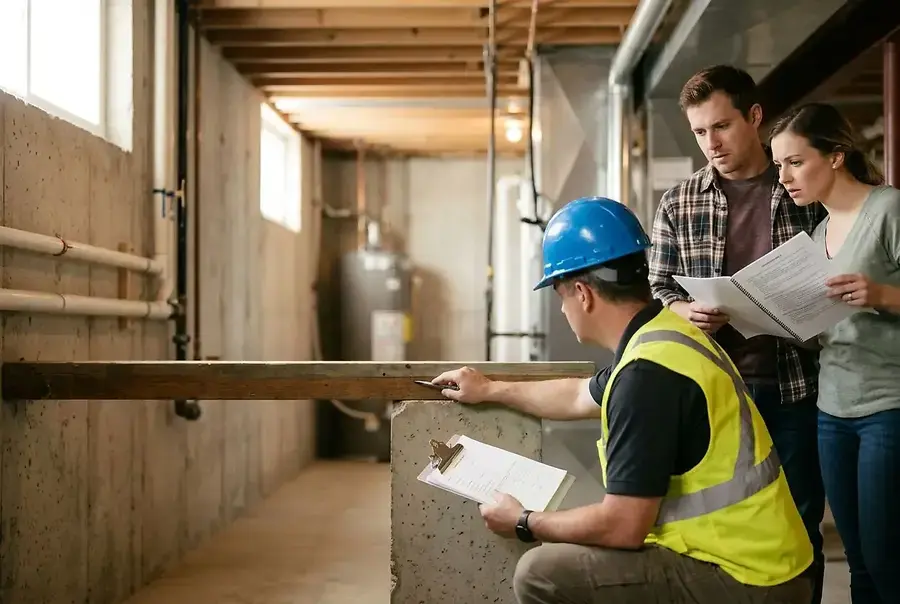
Why Home Inspections Matter in Negotiations
A home inspection is one of the most critical steps in the homebuying process. It provides an objective assessment of a property's condition and identifies potential issues that could affect its value and safety. However, many buyers don't realize that inspection results are powerful negotiation tools that can significantly impact the final purchase price and terms.
When you receive an inspection report, you're holding valuable information that can be leveraged to protect your investment. Whether the issues are minor cosmetic problems or major structural concerns, understanding how to negotiate based on these findings can save you thousands of dollars and prevent costly surprises after closing.
The key is knowing when and how to use inspection results strategically. Rather than simply accepting the seller's response to inspection issues, informed buyers can negotiate repairs, credits, or price reductions that align with the actual costs of remediation.
Understanding Common Inspection Issues and Their Costs
Major Structural and Foundation Issues
Foundation problems are among the most serious issues discovered during inspections. Cracks, settling, or water intrusion can be expensive to repair, often ranging from $5,000 to $50,000+ depending on severity. When negotiating, request detailed repair estimates from licensed contractors to support your position.
Roofing and Water Damage
Roof repairs or replacement typically cost between $3,000 and $15,000. Water stains, mold, or compromised shingles should trigger immediate negotiation. Request the seller either repair the roof or provide a credit that covers replacement costs.
HVAC System Problems
Heating and cooling system repairs range from $500 to $5,000, with full replacements costing $8,000 to $15,000. An aging or non-functional HVAC system is a legitimate negotiation point that affects daily comfort and energy efficiency.
Electrical and Plumbing Issues
Outdated electrical panels, faulty wiring, or plumbing problems can cost $1,000 to $10,000 to address. These issues may also affect insurance rates or financing approval, making them critical negotiation items.
Minor Issues Worth Noting
- Cosmetic damage and paint
- Missing caulking or weatherstripping
- Minor drywall repairs
- Gutter cleaning and maintenance
- Appliance repairs or replacements
While minor issues individually may seem insignificant, bundling them together can justify a reasonable price reduction or repair credit.
Strategic Negotiation Tactics After Receiving Inspection Reports
Prioritize Your Concerns
Not every inspection finding warrants negotiation. Focus on issues that affect safety, structural integrity, or major systems. Distinguish between problems that require immediate attention and those that are cosmetic or can be addressed over time. This strategic approach strengthens your negotiating position by demonstrating that you're being reasonable and informed.
Obtain Professional Repair Estimates
Before entering negotiations, gather written estimates from licensed contractors for significant repairs. These estimates provide concrete evidence of costs and prevent sellers from dismissing your concerns. Present 2-3 estimates to show you've done your homework and are asking for fair compensation.
Know Your Walk-Away Point
Establish a maximum amount you're willing to negotiate or invest in repairs before making an offer. If the total cost of repairs exceeds this threshold, you may need to reconsider the purchase or walk away entirely. This clarity prevents emotional decision-making during negotiations.
Present Issues Professionally
When communicating inspection findings to the seller or their agent, maintain a professional tone. Avoid accusatory language and instead frame issues as factual observations that require resolution. For example, say "The inspection revealed the roof has 15 years of wear and requires replacement within 2-3 years" rather than "Your roof is falling apart."
Propose Multiple Solutions
Rather than demanding a price reduction, offer the seller options:
- Seller completes repairs before closing with receipts provided
- Price reduction equal to repair costs
- Escrow holdback where funds are held until repairs are completed
- Seller provides repair credit at closing
Flexibility in your approach often leads to faster resolution and better outcomes.
Use the Inspection Contingency Wisely
Most purchase agreements include an inspection contingency that allows you to renegotiate or withdraw if significant issues are discovered. Don't threaten to use this lightly, but be prepared to invoke it if the seller refuses reasonable accommodations. Sellers often become more flexible when they understand you're serious about your concerns.
Document Everything
Keep copies of the inspection report, repair estimates, and all written communications regarding negotiations. This documentation protects you and provides clarity if disputes arise. It also demonstrates your professionalism and seriousness to the seller's agent.
Consider Timing and Market Conditions
In a buyer's market with more inventory, sellers are more motivated to negotiate. In a seller's market, you may have less leverage. Adjust your negotiation strategy based on current market conditions and the property's competitiveness.
Protecting Your Interests Through Informed Negotiation
Home inspection negotiations are about more than securing a lower price—they're about protecting your long-term investment and peace of mind. By understanding common issues, obtaining professional estimates, and negotiating strategically, you position yourself as an informed buyer who deserves fair treatment.
Remember: A thorough inspection and thoughtful negotiation can prevent costly surprises and ensure you're making a sound financial decision.
The goal is to reach a fair resolution where both parties feel satisfied. Whether through repairs, credits, or price adjustments, effective negotiation based on inspection findings ensures you're not inheriting someone else's problems and that your new home is a solid investment for years to come.