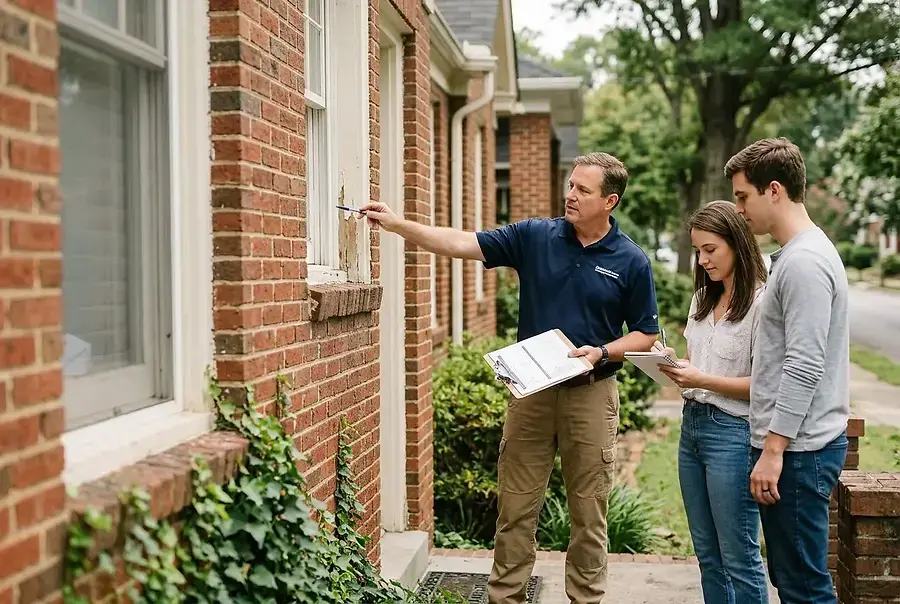
Understanding Your Inspection Report: Key Findings That Impact Negotiations
Your home inspection report is your most powerful tool in negotiations. This detailed document outlines every issue discovered during the inspection, from minor cosmetic concerns to major structural problems. Understanding what you're looking at is the first step toward successful negotiation.
Categorizing Issues by Severity
Not all inspection findings carry equal weight. Categorize issues into three tiers: critical (foundation, electrical, plumbing), major (roof, HVAC, water damage), and minor (cosmetic, paint, landscaping). This framework helps you prioritize which items to negotiate and which to overlook.
Critical issues are non-negotiable. If your inspector identifies structural problems, electrical hazards, or significant water intrusion, these must be addressed before closing. Major issues typically warrant repair credits or seller concessions. Minor issues are often best left alone—pushing too hard on cosmetic concerns can derail an otherwise solid deal.
Getting Repair Estimates
Before entering negotiations, obtain written estimates for major repairs. Sellers will want to see documentation of repair costs, and vague numbers weaken your position. Contact licensed contractors in the Atlanta area to get realistic pricing for the specific issues identified in your inspection.
Pro tip: Get at least two estimates for major repairs. This gives you a reasonable range and demonstrates that you've done your homework.
Strategic Negotiation Tactics: Getting Sellers to Cover Major Repairs
The Repair Credit Approach
Rather than asking sellers to complete repairs themselves, request a repair credit at closing. This approach benefits both parties: sellers avoid the hassle of coordinating repairs, and you gain flexibility in choosing contractors. A typical repair credit equals the estimated cost of repairs, which is deducted from the purchase price or added to your closing credits.
Bundling Issues for Maximum Impact
Instead of negotiating each issue individually, bundle related problems together. For example, if the inspection reveals multiple electrical concerns, roof damage, and HVAC issues, present these as a comprehensive list rather than separate requests. This approach feels less nitpicky and demonstrates that you're being reasonable.
Using Market Conditions to Your Advantage
In a buyer's market, you have more leverage. Sellers are motivated to keep deals alive, making them more willing to negotiate repairs. In a seller's market, be more selective—focus only on critical and major issues. Atlanta's real estate market fluctuates, so understand current conditions before making your opening offer.
The Inspection Contingency Window
Most Atlanta purchase agreements include an inspection contingency period, typically 7-10 days. Use this window strategically. Submit your repair request early, giving sellers time to respond without feeling rushed. A rushed seller may simply walk away from the deal.
Frame your request professionally and reasonably. Instead of demanding repairs, present it as: "Based on the inspection findings, we'd like to request a repair credit of $X to address these items before closing." This collaborative tone increases acceptance rates.
When to Walk Away: Red Flags That Cost More Than Negotiating
Identifying Deal-Breakers
Some inspection findings indicate problems that extend far beyond repair costs. Foundation issues, extensive mold, severe water damage, and outdated electrical systems can signal deeper structural problems. If repairs would exceed 10-15% of the purchase price, seriously consider walking away.
The Hidden Cost Problem
Major repairs often reveal additional issues once work begins. A roof replacement might uncover rotted decking. Foundation repairs might expose plumbing problems. Budget an additional 20-30% for unexpected discoveries when evaluating whether to negotiate or walk.
Seller Red Flags
Pay attention to how sellers respond to your repair requests. If they become defensive, refuse to negotiate, or dismiss legitimate concerns, this signals potential future problems. A cooperative seller is more likely to have maintained the property properly.
- Sellers who refuse all negotiations on critical issues
- Properties with multiple inspection reports showing similar issues
- Homes that have been on the market for extended periods with price reductions
- Sellers who pressure you to waive the inspection contingency
Closing Strong: Finalizing Your Repair Agreement Before Settlement
Getting It in Writing
Never rely on verbal agreements. Your repair credit or repair agreement must be documented in writing and attached to your purchase agreement. This protects both parties and prevents misunderstandings at closing.
Work with your real estate agent and attorney to ensure the language is clear and specific. Include:
- Exact dollar amount of repair credit or repair completion deadline
- Specific items being addressed
- Whether repairs will be completed before or after closing
- Who is responsible for contractor selection and oversight
Pre-Closing Walkthrough
Conduct a final walkthrough 24 hours before closing. Verify that any agreed-upon repairs have been completed or that repair credits are properly reflected in your closing statement. This is your last chance to catch discrepancies.
Escrow Holdbacks
If repairs will be completed after closing, consider requesting an escrow holdback. A portion of the purchase price is held in escrow until repairs are verified as complete. This protects you if the seller fails to complete promised work.
Final Thoughts
Successful negotiation after a home inspection requires balance. Be thorough in identifying legitimate concerns, strategic in your requests, and willing to walk away from deals that don't make financial sense. Atlanta's competitive real estate market rewards buyers who approach negotiations professionally and reasonably. By following these guidelines, you'll maximize your leverage while maintaining the goodwill necessary to close your deal successfully.