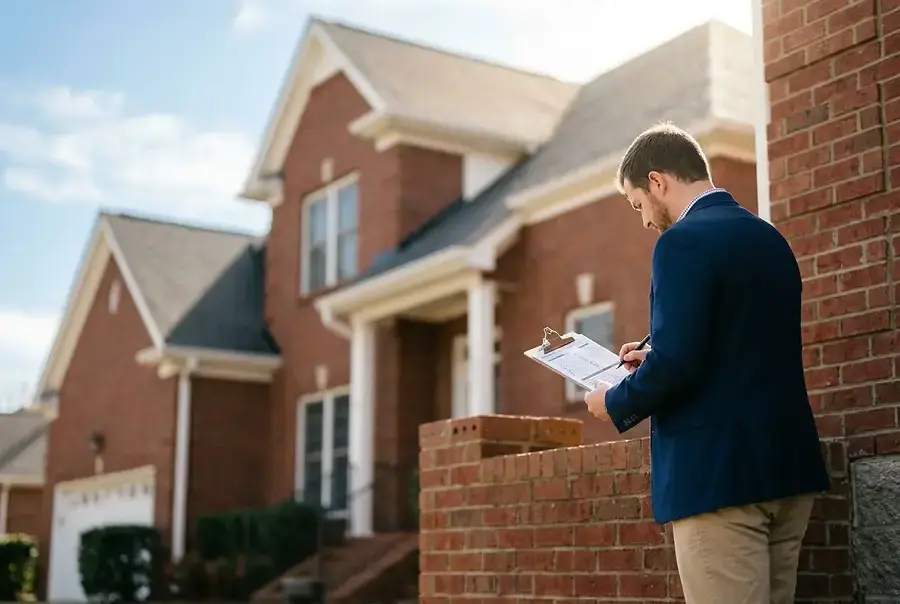
Understanding Common Repair Issues in Clarksville Homes
When purchasing a home in Clarksville, the inspection report often reveals issues that need attention. Understanding what's typical for the area can help you prepare for negotiations and make informed decisions about your investment.
Typical Clarksville Home Concerns
Clarksville homes, like properties in many regions, frequently present specific repair challenges. The local climate and age of many properties in the area contribute to common issues that buyers should anticipate:
- Roof and gutter problems: Weather exposure can lead to deterioration over time
- HVAC system maintenance: Heating and cooling systems may need servicing or replacement
- Foundation concerns: Settling or minor cracks are not uncommon in established neighborhoods
- Plumbing updates: Older homes may have outdated pipes requiring modernization
- Electrical system upgrades: Aging wiring may need attention to meet current safety standards
Rather than viewing these issues as deal-breakers, consider them as negotiation points that can work in your favor.
Negotiation Strategies After the Home Inspection
Once you have your inspection report in hand, the real work begins. Strategic negotiation can save you thousands of dollars and ensure the home is in the condition you expect.
Prioritize Your Repair List
Not all inspection findings carry equal weight. Categorize repairs into three tiers:
- Critical repairs: Safety hazards and structural issues that must be addressed
- Important repairs: Systems that affect daily living and home value
- Minor repairs: Cosmetic issues and small maintenance items
Focus your negotiation efforts on critical and important repairs. This approach demonstrates reasonableness to the seller and increases the likelihood of reaching an agreement.
Get Multiple Estimates
Before presenting repair requests to the seller, obtain at least two to three quotes from licensed contractors in Clarksville. This gives you concrete numbers to reference during negotiations and shows you've done your homework. Sellers are more likely to take your requests seriously when backed by professional estimates.
Present Your Case Professionally
When submitting repair requests, include:
- Specific findings from the inspection report
- Contractor estimates for repairs
- A clear explanation of why each repair is necessary
- A reasonable timeline for completion
Avoid emotional language or accusations. Keep communications professional and fact-based. Sellers respond better to objective information than to confrontational approaches.
Consider Multiple Resolution Options
Repair negotiations don't have to follow a single path. You have several options:
- Seller completes repairs: The seller hires contractors and completes work before closing
- Repair credit: The seller provides a credit at closing to cover repair costs
- Price reduction: The purchase price is reduced to account for repairs
- Escrow holdback: Funds are held in escrow until repairs are verified as complete
Each option has advantages and disadvantages. A repair credit or price reduction often gives you more control over the quality of work performed.
Knowing When to Walk Away vs. Renegotiate
Not every negotiation will result in your preferred outcome. Knowing your limits is crucial to protecting your investment.
Red Flags That Suggest Walking Away
Sometimes the best negotiation is recognizing when a deal no longer serves your interests.
Consider walking away if:
- Structural issues are extensive and costly to repair
- Environmental concerns like mold or asbestos are present
- The seller refuses to address critical safety issues
- Repair costs exceed your budget and financing limits
- The home's condition significantly differs from your expectations
Your real estate agent and home inspector can provide valuable guidance on whether issues are deal-breakers or manageable concerns.
When Renegotiation Makes Sense
If you love the home and location, renegotiation might be worthwhile. Consider compromising by:
- Accepting a partial repair credit instead of full repairs
- Agreeing to handle minor repairs yourself
- Negotiating a lower purchase price that reflects repair needs
- Setting a timeline for seller-completed repairs after closing
Be flexible but firm on safety issues. You can compromise on cosmetic concerns, but structural and safety problems require resolution.
Finalizing Your Deal with Confidence
Once you've reached an agreement on repairs, proper documentation ensures everyone follows through on their commitments.
Get Everything in Writing
All repair agreements must be documented in your purchase contract or addendum. Include:
- Specific repairs to be completed
- Timeline for completion
- Contractor information if applicable
- Verification method (final inspection, receipts, etc.)
- Consequences if repairs aren't completed
Never rely on verbal agreements. Written documentation protects both you and the seller.
Final Walk-Through Inspection
Before closing, conduct a final walk-through to verify that agreed-upon repairs have been completed satisfactorily. Bring your home inspector or a trusted contractor to assess the work quality. This is your last opportunity to address any incomplete or substandard repairs.
Maintain Your Investment
After closing, establish a maintenance schedule to prevent future issues. Regular upkeep protects your investment and helps you avoid costly repairs down the road.
Negotiating home repairs in Clarksville doesn't have to be stressful. By understanding common issues, preparing thoroughly, and approaching negotiations professionally, you can protect your investment and move forward with confidence in your new home.