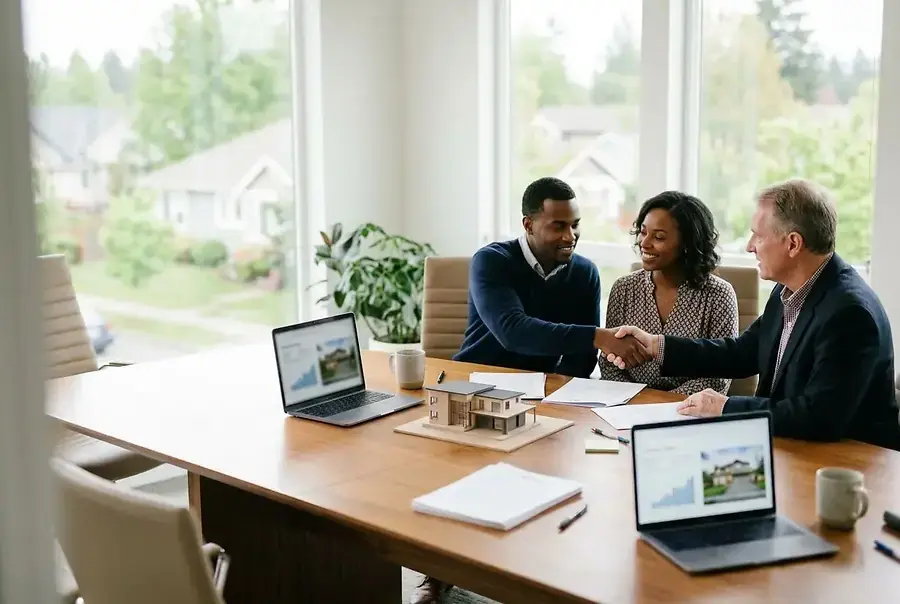
Why Negotiation Skills Matter in Residential Real Estate
Real estate transactions represent some of the largest financial decisions most people make in their lifetime. Whether you're buying your first home or selling a property you've owned for years, the ability to negotiate effectively can save or earn you thousands of dollars. Negotiation isn't about being aggressive or difficult—it's about understanding the market, knowing your position, and communicating your needs clearly.
The residential real estate market is inherently negotiable. Unlike purchasing items at a store with fixed prices, home sales involve multiple variables: price, closing costs, inspection periods, repairs, and contingencies. Every element is an opportunity to create value for yourself. Buyers who understand negotiation tactics can reduce their purchase price or secure better inspection terms. Sellers who negotiate strategically can maximize their proceeds while maintaining positive relationships with buyers.
The difference between accepting the first offer and negotiating effectively can mean tens of thousands of dollars over the life of your transaction. This guide will equip you with proven strategies to navigate these crucial conversations.
Key Negotiation Tactics for Buyers: Getting the Best Price and Inspection Terms
Research and Preparation: Your Foundation
Before entering any negotiation, arm yourself with data. Analyze comparable sales in the neighborhood, understand current market conditions, and know the property's true value. Review the home's history, inspection reports, and any disclosed issues. This information becomes your leverage in negotiations.
Work with your real estate agent to understand the seller's situation. Are they motivated? Is the property sitting on the market? Have there been multiple price reductions? These factors influence how aggressively you can negotiate.
Make a Strategic Opening Offer
Your initial offer sets the tone for negotiations. A well-researched offer slightly below market value opens dialogue without insulting the seller. Extreme lowball offers often result in rejection and damaged relationships. Instead, present an offer that shows you're serious while leaving room for negotiation.
Include a detailed cover letter explaining your offer. Highlight your financial strength, quick closing timeline, or flexibility on contingencies. Sellers often choose buyers who feel like partners, not adversaries.
Leverage Inspection Contingencies
The inspection period is your golden opportunity to renegotiate. Request a thorough inspection and use findings as justification for price reductions or seller repairs. However, distinguish between deal-breakers and minor issues. Asking for repairs on every small item damages your credibility.
Consider these inspection-related strategies:
- Request a longer inspection period to allow for thorough evaluation
- Hire specialized inspectors for major systems like HVAC or foundation
- Obtain repair estimates from licensed contractors to support renegotiation requests
- Be willing to accept credits instead of repairs when appropriate
Negotiate Beyond Price
Price isn't the only negotiable element. Explore closing cost assistance, extended closing timelines, included appliances, or repairs. Sometimes sellers prefer covering closing costs over reducing the sale price for tax or financing reasons.
Ask about seller concessions for items like:
- Home warranty coverage
- Appliance replacements or repairs
- Landscaping or exterior work
- Closing cost assistance
- Flexible move-in dates
Seller Strategies: Presenting Offers Effectively and Maintaining Leverage
Price Your Home Strategically
Pricing is your first negotiation. Price too high and you'll receive lowball offers; price too low and you leave money on the table. Work with your agent to analyze comparable sales and market conditions. Strategic pricing attracts serious buyers and creates competition, which strengthens your negotiating position.
Consider pricing slightly below market value to generate multiple offers. This creates bidding competition and often results in higher final prices than pricing aggressively from the start.
Evaluate Offers Strategically
When offers arrive, look beyond the purchase price. Consider the buyer's financial strength, contingencies, inspection periods, and closing timeline. A lower offer from a pre-approved buyer with minimal contingencies may be better than a higher offer from someone with financing uncertainty.
Create a comparison matrix evaluating:
- Purchase price and earnest money deposit
- Financing contingencies and proof of funds
- Inspection period length and scope
- Appraisal contingency terms
- Closing timeline and flexibility
- Buyer's ability to close without selling another property
Respond with Counteroffers, Not Rejections
Rather than rejecting offers outright, use counteroffers to maintain negotiation momentum. A well-crafted counteroffer signals you're willing to work with the buyer while protecting your interests. This approach often leads to successful deals that outright rejections would kill.
When countering, address specific concerns. If the buyer requests repairs, offer a credit instead. If they want a longer inspection period, propose a reasonable compromise. Show flexibility on non-critical items while holding firm on your priorities.
Maintain Emotional Detachment
Remember: this is a business transaction, not personal. Sellers often become emotionally invested in their homes, which clouds judgment. Stay focused on your financial goals and timeline. Don't let pride or attachment prevent you from accepting reasonable offers.
Building Long-Term Success Through Smart Negotiation
Successful real estate negotiation isn't about winning at the other party's expense—it's about creating mutually beneficial agreements. The best deals are those where both parties feel satisfied with the outcome.
Key principles for long-term success include:
- Communicate clearly and honestly: Ambiguity breeds conflict. State your needs and constraints directly.
- Listen actively: Understand the other party's motivations and constraints. This reveals opportunities for creative solutions.
- Stay flexible: Be willing to compromise on non-essential items while protecting your core interests.
- Document everything: Ensure all agreements are in writing to prevent misunderstandings.
- Work with professionals: Real estate agents and attorneys provide valuable guidance and protect your interests.
Real estate negotiation is a skill that improves with knowledge and practice. By understanding market dynamics, preparing thoroughly, and approaching negotiations professionally, you'll secure better deals and build confidence in your real estate decisions. Whether buying or selling, these strategies will help you achieve your financial goals while maintaining positive relationships throughout the transaction.