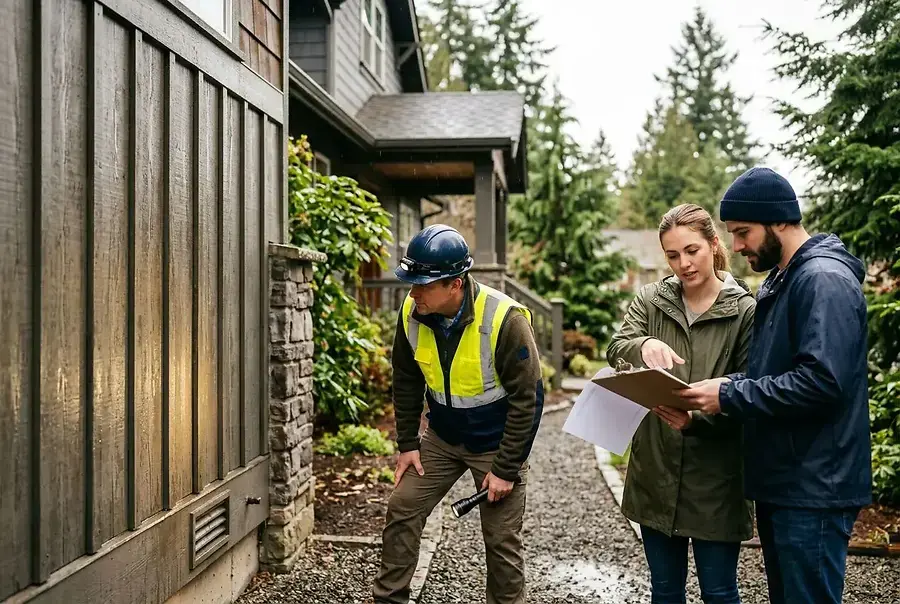
Understanding Common Inspection Issues in the Puget Sound Region
The Pacific Northwest's unique climate and geography create specific challenges for homeowners in Seattle, Everett, and Edmonds. Understanding these regional issues is the first step toward effective negotiation with sellers.
Moisture and Mold Concerns
The Puget Sound region's wet climate makes moisture damage and mold growth among the most common inspection findings. Heavy rainfall and high humidity levels can lead to:
- Roof leaks and damaged gutters
- Foundation moisture intrusion
- Mold growth in basements and crawl spaces
- Rotting wood siding and trim
These issues are particularly serious because they can escalate quickly and become expensive to remediate. When your inspector identifies moisture problems, prioritize them in your negotiation strategy.
Aging Infrastructure
Many homes in the Seattle metropolitan area were built decades ago, which means outdated electrical systems, plumbing, and HVAC units are common findings. Older homes may have:
- Knob-and-tube wiring or outdated electrical panels
- Galvanized pipes prone to corrosion
- Aging furnaces and air conditioning systems
- Asbestos or lead paint in pre-1980s homes
Prioritizing Repairs: What Matters Most for Your New Home
Not all inspection findings carry equal weight. Strategic prioritization helps you focus negotiations on issues that truly impact your home's safety, value, and livability.
Safety-Critical Issues
Always prioritize safety concerns. These are non-negotiable and should be addressed before closing. Safety issues include:
- Electrical hazards and code violations
- Structural damage or foundation problems
- Gas leaks or faulty heating systems
- Roof damage that poses collapse risk
- Mold contamination affecting air quality
Sellers are typically more willing to negotiate on safety issues because they understand the liability implications.
Financial Impact Assessment
Evaluate repair costs realistically. Obtain repair estimates from licensed contractors before negotiations begin. This gives you concrete numbers to present to sellers and prevents overestimating minor issues while underestimating major ones.
Pro tip: Request multiple estimates for significant repairs. This demonstrates due diligence and provides leverage if sellers claim your estimates are inflated.
Long-Term Value Considerations
Consider which repairs will affect your home's resale value and marketability. Cosmetic issues like paint or landscaping matter less than structural integrity or major system functionality. Focus your negotiation efforts on repairs that:
- Affect home systems (plumbing, electrical, HVAC)
- Impact structural integrity
- Prevent future damage or deterioration
- Are required by local building codes
Negotiation Tactics: Getting Sellers to Cover Repair Costs
Effective negotiation requires preparation, professionalism, and strategic communication. Here are proven tactics for the Seattle, Everett, and Edmonds markets.
Present a Professional Inspection Report
Your home inspection report is your most powerful negotiation tool. Ensure it's detailed and professional. When presenting findings to sellers:
- Highlight the inspector's credentials and certifications
- Include photographs of problem areas
- Provide clear descriptions of each issue
- Attach repair estimates from licensed contractors
A well-documented report removes ambiguity and makes it harder for sellers to dismiss your concerns.
Propose Specific Solutions
Rather than simply listing problems, propose concrete solutions. You have several options:
- Seller repairs: Request that sellers hire contractors to fix issues before closing
- Repair credits: Ask for a credit toward closing costs to handle repairs yourself
- Escrow holdback: Arrange for funds to be held in escrow until repairs are completed
- Price reduction: Negotiate a lower purchase price to account for repair costs
Each approach has advantages. Repair credits and price reductions give you control over contractor selection, while seller repairs ensure work is completed before you take ownership.
Use Market Knowledge Strategically
Understanding the local real estate market strengthens your position. In a buyer's market, sellers are more motivated to negotiate. In a seller's market, be more selective about which issues you push. Your real estate agent can provide valuable insights about market conditions in your specific neighborhood.
Maintain Professional Communication
Keep all negotiations professional and fact-based. Avoid emotional language or accusations. Instead of saying "Your home is falling apart," say "The inspection identified several items that require attention, and here are the professional estimates for addressing them."
Remember: Sellers are more likely to cooperate when they feel respected and when negotiations focus on objective facts rather than subjective judgments.
Finalizing Terms and Protecting Your Investment
Once you've negotiated repair terms, ensure they're properly documented and enforceable.
Get Everything in Writing
Never rely on verbal agreements. All repair negotiations must be documented in writing through:
- Addendums to your purchase agreement
- Detailed repair specifications
- Timelines for completion
- Contractor information and licensing details
Your real estate attorney or agent should review all documents before you sign.
Establish Clear Timelines and Standards
Specify when repairs must be completed and what standards they must meet. Will repairs comply with local building codes? Will contractors be licensed and insured? What happens if repairs aren't completed by closing?
Conduct a Final Walk-Through
Before closing, perform a final inspection to verify that all agreed-upon repairs have been completed satisfactorily. Bring your home inspector or a qualified contractor to confirm work quality. Don't close until you're satisfied.
Protect Yourself Post-Closing
If you negotiated repair credits or price reductions, keep detailed records of all repair work and expenses. This documentation protects you if disputes arise and may be valuable for insurance or warranty claims.
Consider purchasing a home warranty for additional protection against unexpected repairs in your first year of ownership. This is particularly valuable in the Puget Sound region where moisture-related issues can develop over time.
Moving Forward with Confidence
Negotiating repairs after a home inspection doesn't have to be adversarial. By understanding common regional issues, prioritizing strategically, and communicating professionally, you can secure favorable terms that protect your investment. Work closely with your real estate agent and attorney throughout the process to ensure your interests are protected every step of the way.