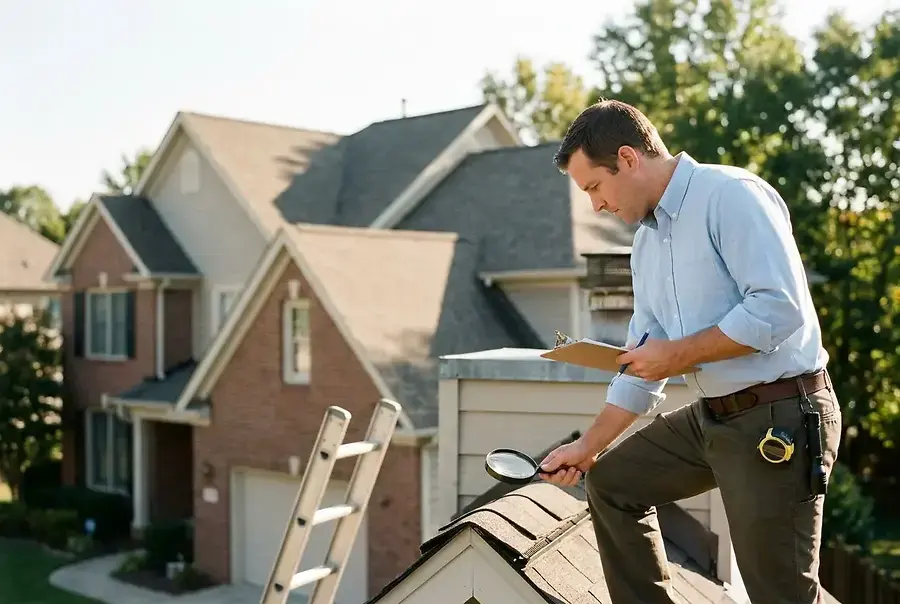
Understanding Common Inspection Issues in York and Charlotte Homes
When purchasing a home in York or Charlotte, the inspection period is your golden opportunity to identify potential problems before closing. Both regions experience similar climate challenges that create predictable maintenance issues across residential properties.
Regional Climate and Structural Concerns
Homes in York and Charlotte face distinct environmental pressures. The humid subtropical climate of Charlotte can lead to moisture-related issues, including:
- Mold and mildew in basements and crawl spaces
- Roof deterioration from UV exposure and heavy rainfall
- HVAC system strain from intense summer heat
- Foundation settling due to clay soil composition
York properties, while experiencing different seasonal patterns, commonly show wear in:
- Aging roofing systems
- Outdated electrical systems
- Plumbing issues from hard water and mineral buildup
- Basement water intrusion during spring thaw
The Most Common Red Flags
Professional inspectors typically flag similar issues across both markets. Roof condition remains the most expensive repair category, often costing $8,000-$15,000 for replacement. HVAC systemselectrical panel upgrades, and foundation repairs also consistently appear on inspection reports and represent significant financial commitments.
Negotiation Strategies: What Repairs Are Worth Requesting
Prioritize Safety and Major Systems
Not every inspection finding warrants a repair request. Focus your negotiation efforts on issues that affect safety, functionality, or long-term structural integrity. Safety issues are non-negotiable—faulty electrical systems, gas leaks, or structural problems should always be addressed before closing.
Major systems like roofing, HVAC, plumbing, and electrical deserve careful consideration. These systems are expensive to repair and directly impact your home's livability. If an inspector identifies that your roof has less than five years of remaining life, requesting replacement or a substantial credit is reasonable.
Know When to Request Repairs vs. Credits
You have two primary negotiation options: requesting the seller complete repairs before closing, or requesting a credit toward closing costs. Each approach has strategic advantages.
Repair requests work best when you want the seller to use their contractor, potentially saving money through existing relationships. However, sellers may rush repairs or use subpar contractors. Credits give you control over contractor selection and work quality, but require you to manage repairs after closing.
Pro Tip: For major repairs, requesting a credit typically protects your interests better. You'll have leverage to hire quality contractors and ensure work meets your standards.
The Math Behind Your Requests
Research repair costs before submitting your repair request. If a new HVAC system costs $6,000-$8,000 in your area, requesting a $7,500 credit is reasonable and defensible. Sellers respond better to specific, researched numbers than vague requests.
Consider bundling minor issues into a single credit request rather than listing twenty small items. This approach feels less adversarial and is more likely to receive acceptance. Group cosmetic issues separately from functional problems—sellers are more willing to negotiate on safety and major systems.
Timeline and Process: How to Handle Repair Requests Before Closing
Understanding Your Inspection Period Window
Most purchase agreements in York and Charlotte allow 7-10 days for inspections. This timeline is tight, so act quickly. Schedule your inspection within the first 2-3 days after your offer is accepted. This gives you maximum time to review findings, research costs, and submit requests before the deadline.
Submitting Your Repair Request
Work with your real estate agent to submit a formal repair request document. This should include:
- Specific inspection findings with page references
- Estimated repair costs (include 2-3 quotes if possible)
- Clear statement of whether you're requesting repairs or credits
- Professional, non-emotional language
Avoid emotional language or accusations. Instead of "The seller clearly neglected this property," write "The inspection identified roof wear consistent with a 20-year-old system requiring replacement."
Negotiation Dynamics
Expect the seller to counter your initial request. They may offer to complete some repairs, provide partial credits, or refuse certain requests entirely. Remain flexible on lower-priority items while holding firm on safety and major system issues.
If negotiations stall, your inspector can provide written documentation supporting your requests. This third-party validation often persuades sellers to negotiate more seriously. Remember, sellers want to close the deal as much as you do—finding middle ground is usually possible.
Documentation and Follow-Up
Once you reach an agreement, ensure all repair requests and credits are documented in a written amendment to your purchase agreement. Don't rely on verbal agreements. If the seller agrees to repairs, specify that you'll conduct a final walk-through to verify completion before closing.
Conclusion: Protecting Your Investment Through Smart Negotiations
Negotiating repairs after your home inspection is a critical step in protecting your investment in York or Charlotte real estate. Success requires balancing assertiveness with reasonableness, focusing on issues that truly matter, and maintaining professional communication throughout the process.
Remember that inspection negotiations aren't about "winning"—they're about ensuring you're purchasing a safe, functional home at a fair price. By understanding common regional issues, prioritizing strategically, and following proper procedures, you'll close your deal with confidence and protect your financial interests for years to come.
Work closely with your real estate agent and inspector throughout this process. Their expertise and experience in your local market are invaluable assets that can help you navigate negotiations successfully and avoid costly mistakes.
