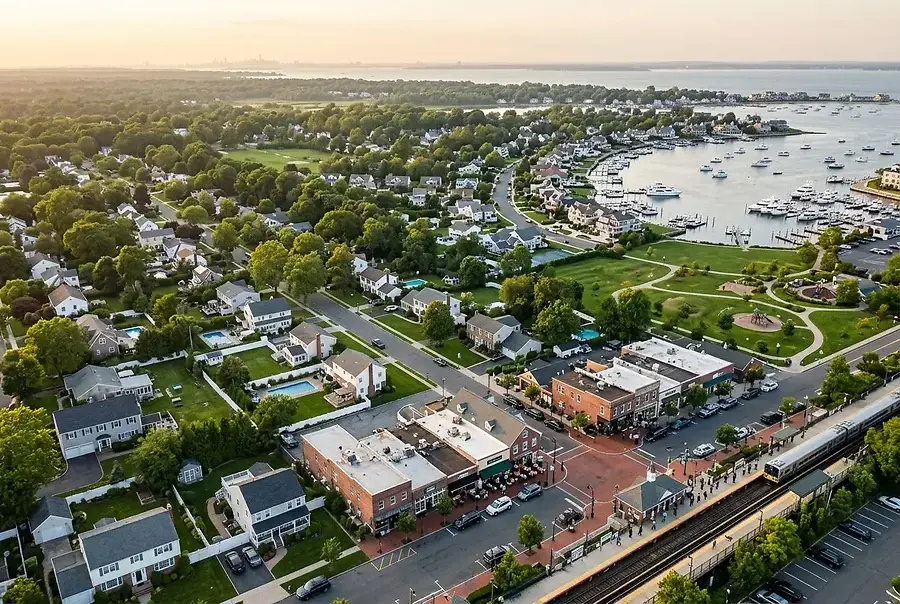
Understanding Your Ideal Long Island Neighborhood
Long Island offers a remarkable diversity of communities, each with its own unique character, amenities, and lifestyle appeal. Whether you're a young professional seeking vibrant nightlife and urban convenience, a growing family looking for excellent schools and parks, or someone seeking a quiet suburban retreat, Long Island has a neighborhood tailored to your needs. The key to finding your perfect fit lies in understanding what matters most to you and comparing how different communities align with your priorities.
The Long Island real estate market presents opportunities across various price points and neighborhood types. From the bustling waterfront communities to peaceful residential enclaves, each area offers distinct advantages. This guide will help you navigate the options and make an informed decision about where to call home.
Family-Friendly vs. Young Professional Communities: What Each Area Offers
Family-Friendly Communities
Families prioritize excellent school districts, safe neighborhoods, parks, and community activities. Communities like Great Neck, Manhasset, and Garden City are renowned for their top-rated school systems and family-oriented amenities. These areas feature:
- Highly-ranked public and private schools
- Spacious homes with yards and family-friendly layouts
- Parks, playgrounds, and recreational facilities
- Community centers and youth programs
- Lower crime rates and strong neighborhood watch programs
These communities often command higher property values but offer peace of mind and long-term investment potential through their educational reputation and stability.
Young Professional Communities
Young professionals seek walkability, nightlife, dining options, and convenient commutes to employment centers. Towns like Huntington, Port Jefferson, and Freeport cater to this demographic with:
- Vibrant downtown areas with restaurants and bars
- Waterfront attractions and entertainment venues
- Proximity to Long Island Rail Road (LIRR) stations for NYC commutes
- Trendy shops and cultural events
- More affordable housing options than family-centric areas
These communities offer a balance between suburban living and urban convenience, making them ideal for those who want access to city amenities without the high costs of Manhattan living.
Comparing Amenities, Schools, and Commute Times Across 14 Key Towns
North Shore Communities
Great Neck stands out with exceptional schools (Great Neck Public Schools consistently ranks among the best in New York), upscale shopping, and waterfront dining. Commute to NYC via LIRR is approximately 35-40 minutes. Manhasset offers similar educational excellence with the added benefit of the Americana shopping center and beautiful parks. Port Jefferson provides a charming waterfront village atmosphere with good schools and a scenic harbor, making it popular with young professionals.
Central Long Island Communities
Garden City is a planned community with excellent schools, tree-lined streets, and a strong sense of community. The Garden City School District is highly regarded, and the area offers numerous parks and recreational facilities. Mineola provides more affordable options while maintaining good schools and convenient LIRR access (approximately 30 minutes to Penn Station). Westbury offers diverse neighborhoods with varying price points and solid educational institutions.
South Shore Communities
Freeport has undergone significant revitalization, featuring a bustling waterfront with restaurants, shops, and entertainment. It's increasingly popular with young professionals seeking affordable housing and waterfront living. Merrick offers family-friendly neighborhoods with good schools and beach access. Baldwin provides affordable suburban living with decent schools and convenient shopping.
East End Communities
Huntington is a vibrant community with excellent schools, a charming downtown with galleries and restaurants, and beautiful parks. It appeals to both families and young professionals. Northport offers a picturesque village setting with waterfront charm and strong community spirit. Smithtown provides excellent schools, spacious homes, and a family-oriented atmosphere with good recreational facilities.
Additional Key Towns
Roslyn offers upscale living with excellent schools and proximity to shopping and dining. Syosset provides good schools and suburban comfort with convenient highway access. Both communities appeal primarily to families seeking established neighborhoods with strong educational reputations.
Finding Your Perfect Fit: Making the Right Neighborhood Choice
Assess Your Priorities
Begin by listing what matters most to you. Create a ranking system for factors such as:
- Schools: Are excellent schools essential for your family?
- Commute: How important is proximity to your workplace?
- Lifestyle: Do you prefer urban amenities or quiet suburban living?
- Budget: What price range works for your financial situation?
- Community: Do you value active community engagement and events?
- Recreation: Are parks, beaches, or golf courses important to you?
Research and Visit
Don't rely solely on online research. Visit neighborhoods at different times of day and on weekends. Walk the streets, visit local shops and restaurants, and get a feel for the community atmosphere. Talk to current residents about their experiences and satisfaction with their neighborhoods.
Consider Long-Term Value
Think beyond your immediate needs. Communities with excellent schools and strong reputations tend to maintain property values better over time. However, emerging neighborhoods like Freeport may offer better appreciation potential for investors willing to embrace change and revitalization.
Evaluate Commute Practicality
If you commute to NYC, check LIRR schedules and costs. Factor in parking fees, gas, or public transportation expenses. Some communities offer better transit access than others, which can significantly impact your quality of life and overall housing costs.
Test the Neighborhood
Before committing to a purchase, consider renting in your target neighborhood for several months. This allows you to experience daily life, test your commute, and ensure the community truly matches your lifestyle expectations.
Make Your Decision
After thorough research and visits, trust your instincts. The perfect neighborhood is one where you can envision yourself thriving—whether that's raising a family in a top-rated school district, enjoying vibrant nightlife and dining, or finding peace in a quiet residential community. Long Island's diversity ensures that your ideal neighborhood exists; it's simply a matter of finding it.
Remember that neighborhoods evolve over time. Communities experiencing revitalization may offer excellent opportunities for those seeking value and growth potential, while established neighborhoods provide stability and proven quality of life. Your choice should reflect your current needs while considering your long-term vision for your life on Long Island.