Understanding Neighborhood Essentials: Schools, Amenities, and Accessibility
Choosing the right neighborhood is one of the most significant decisions you'll make as a homeowner or renter. Beyond the physical structure of a home, the surrounding community shapes your daily life, family experiences, and long-term investment potential. The foundation of any thriving neighborhood rests on three critical pillars: quality schools, convenient amenities, and easy accessibility.
Quality Schools and Educational Opportunities
For families with children, school quality often tops the priority list. Research school ratings, test scores, and graduation rates in your target neighborhoods. Beyond academics, consider extracurricular programs, special education services, and the overall school culture. Visit schools during open houses and speak with current parents to gain authentic insights into the educational environment.
Essential Amenities and Services
A well-rounded neighborhood offers convenient access to essential services and recreational opportunities. Look for proximity to:
- Healthcare facilities – hospitals, clinics, and urgent care centers
- Retail and dining – grocery stores, restaurants, and shopping centers
- Parks and recreation – green spaces, playgrounds, and fitness facilities
- Community centers – libraries, cultural venues, and social gathering spaces
Accessibility and Transportation
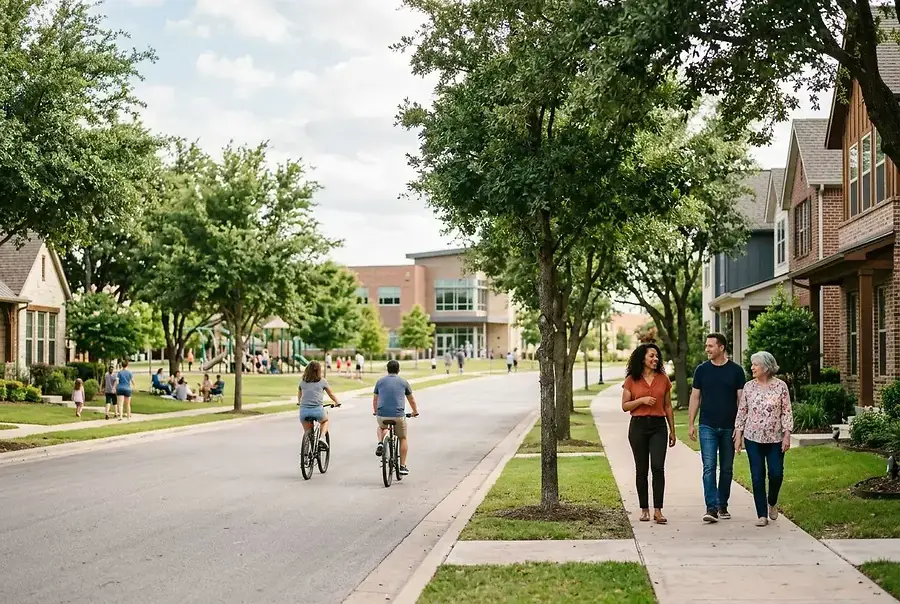
Consider how easily you can navigate the neighborhood and access surrounding areas. Evaluate public transportation options, road conditions, and commute times to your workplace. A neighborhood with good walkability and bike-friendly infrastructure promotes a healthier, more connected lifestyle.
Comparing Austin and Southlake Communities: What Sets Them Apart
Austin and Southlake represent two distinct community experiences, each with unique characteristics that appeal to different lifestyles and preferences.
Austin: Urban Vibrancy and Cultural Diversity
Austin neighborhoods pulse with creative energy and cultural diversity. The city attracts young professionals, artists, and entrepreneurs drawn to its vibrant music scene, innovative tech industry, and eclectic dining landscape. Austin communities often feature walkable urban neighborhoods with mixed-use developments, trendy coffee shops, and a strong emphasis on local businesses and sustainability.
Key characteristics:
- Diverse, younger demographic profile
- Strong emphasis on local culture and community events
- Growing tech and startup ecosystem
- Mix of historic and modern neighborhoods
- Active outdoor recreation culture
Southlake: Suburban Comfort and Family-Focused Living
Southlake communities emphasize suburban comfort, excellent schools, and family-oriented amenities. These neighborhoods attract families seeking safe, well-maintained areas with strong community bonds and quality educational institutions. Southlake typically offers spacious homes, manicured neighborhoods, and a more traditional suburban lifestyle.
Key characteristics:
- Family-focused community atmosphere
- Highly-rated school districts
- Larger homes and properties
- Well-maintained public spaces and infrastructure
- Strong neighborhood associations and community programs
Evaluating Long-Term Value and Growth Potential in Your Target Area
A neighborhood's future trajectory significantly impacts your investment returns and quality of life. Smart neighborhood selection requires forward-thinking analysis.
Demographic and Economic Trends
Research population growth patterns, income levels, and employment opportunities in your target area. Growing neighborhoods with expanding job markets typically experience stronger property value appreciation. Look for signs of economic development, new business openings, and infrastructure improvements.
Development and Infrastructure Plans
Contact local city planning departments to learn about upcoming development projects, road improvements, and public transportation expansions. Planned infrastructure improvements can significantly enhance neighborhood appeal and property values. However, major construction projects may temporarily impact quality of life.
Historical Property Value Performance
Analyze historical property value trends over the past 5-10 years. Neighborhoods with consistent appreciation typically indicate strong fundamentals and desirable characteristics. Compare appreciation rates with broader market trends to identify neighborhoods outperforming the average.
Community Stability and Character
Visit neighborhoods at different times of day and days of the week. Observe the overall maintenance level, street activity, and community engagement. Stable neighborhoods with active residents and well-maintained properties tend to preserve and increase value over time.
Making Your Decision: Questions to Ask Before Choosing Your Neighborhood
Before committing to a neighborhood, ask yourself these essential questions:
Lifestyle Alignment
- Does this neighborhood match my family's lifestyle and values?
- Are there sufficient recreational and cultural activities for my interests?
- Do I feel comfortable and safe in this community?
- Will my family thrive in this neighborhood's social environment?
Financial Considerations
- Is the property price aligned with my budget and long-term financial goals?
- What are the property tax rates and homeowners association fees?
- Does the neighborhood show strong appreciation potential?
- Are there any planned developments that might impact property values?
Practical Factors
- What is my realistic commute time to work and other frequent destinations?
- Are schools in this area appropriate for my children's needs?
- How accessible are essential services and amenities?
- What is the neighborhood's crime rate and safety record?
Future-Proofing
- Will this neighborhood remain desirable in 10-20 years?
- Are there any environmental or infrastructure concerns?
- How resilient is the local economy to market changes?
- Does the neighborhood support my family's anticipated future needs?
Final Thoughts: Choosing the right neighborhood requires balancing immediate lifestyle preferences with long-term investment considerations. Whether you're drawn to Austin's vibrant urban energy or Southlake's family-friendly suburban charm, thorough research and honest self-assessment will guide you toward a community where you'll truly thrive. Take time to explore neighborhoods, speak with residents, and envision your daily life in each potential location. The perfect neighborhood isn't just about the house—it's about building a life in a community that aligns with your values and aspirations.