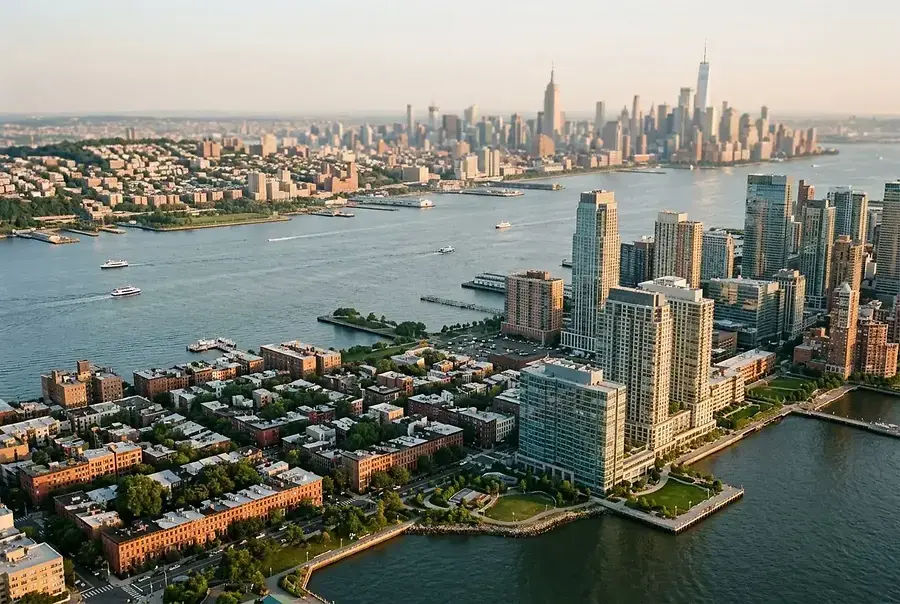
Understanding Hudson County's Diverse Real Estate Markets
Hudson County has emerged as one of New Jersey's most dynamic real estate markets, attracting both first-time homebuyers and seasoned investors. With its proximity to Manhattan, excellent public transportation, and vibrant cultural scenes, the county offers something for everyone. However, understanding the nuances of each neighborhood is crucial for making a smart investment decision.
The nine distinct markets within Hudson County each have their own character, price points, and growth trajectories. From the waterfront developments of Jersey City to the established charm of Hoboken, and the emerging opportunities in Union City and beyond, there's significant variation in what your money can buy.
Price Comparisons: Which Neighborhoods Offer the Best Value
Jersey City: The Waterfront Leader
Jersey City remains the county's largest market, with prices reflecting its status as a major employment hub. The waterfront areas command premium prices, with luxury condos ranging from $600,000 to over $2 million. However, neighborhoods like Journal Square and the Heights offer more accessible entry points, with homes averaging $400,000 to $550,000.
Key advantages:
- Direct PATH train access to Manhattan
- Diverse neighborhood options at various price points
- Strong job market and economic growth
- Ongoing waterfront development projects
Hoboken: Premium Pricing with Established Appeal
Hoboken commands some of the highest prices in Hudson County, with median home values ranging from $550,000 to $800,000 for condos and townhouses. The neighborhood's established reputation, excellent schools, and vibrant downtown area justify the premium pricing for many buyers.
While prices are steep, Hoboken offers stability and consistent appreciation. The neighborhood has already undergone significant gentrification, making it a lower-risk investment compared to emerging areas.
Union City: The Emerging Opportunity
Union City represents one of Hudson County's best value propositions. With median prices ranging from $350,000 to $500,000, the neighborhood offers significant savings compared to Jersey City and Hoboken. The area is experiencing rapid development, with new transit-oriented projects and improved infrastructure attracting younger professionals and families.
Why Union City stands out:
- 20-30% lower prices than comparable Jersey City properties
- Improving public transportation connections
- Growing restaurant and retail scene
- Strong rental market potential
Other Emerging Markets
Neighborhoods like West New York, Guttenberg, and North Bergen offer even more affordable options, with prices starting as low as $300,000 to $400,000. While these areas may lack the polish of Hoboken or the waterfront appeal of Jersey City, they present excellent opportunities for value-conscious investors willing to look beyond the county's most established neighborhoods.
Weehawken and Fort Lee, while slightly pricier, offer unique advantages including elevated views, quieter residential settings, and strong community amenities.
Investment Potential: Growth Opportunities in Emerging Areas
Infrastructure Development Driving Growth
Hudson County's investment potential is increasingly tied to infrastructure improvements. The expansion of public transportation, including bus rapid transit projects and improved PATH connections, is making previously overlooked neighborhoods more accessible and desirable.
Areas to watch:
- Union City: New development projects and improved connectivity
- West New York: Waterfront redevelopment initiatives
- North Bergen: Transit-oriented development opportunities
Rental Market Strength
Hudson County's rental market remains robust, with strong demand from Manhattan commuters and young professionals. Properties in emerging neighborhoods can generate solid rental income while appreciating in value. Average rental yields in Union City and West New York range from 4-6%, significantly higher than more established areas.
Long-Term Appreciation Potential
Historical data suggests that neighborhoods following similar development patterns to Hoboken and Jersey City's waterfront have appreciated 5-8% annually over the past decade. Emerging areas with improving infrastructure and growing amenities show promise for similar growth trajectories.
Smart investors are positioning themselves in neighborhoods that show early signs of the transformation already seen in premium areas.
Demographic Trends Supporting Growth
Hudson County continues to attract younger professionals, families, and remote workers seeking affordable alternatives to Manhattan living. This demographic shift supports both property appreciation and rental demand across the county's diverse neighborhoods.
Making Your Move in Hudson County
Consider Your Priorities
Your ideal Hudson County neighborhood depends on your specific needs and investment goals:
- Established neighborhoods: Choose Hoboken or Jersey City waterfront for stability and amenities
- Value seekers: Look to Union City and West New York for affordability and growth potential
- Commuters: Prioritize proximity to PATH stations or bus rapid transit
- Investors: Focus on emerging areas with strong rental demand and development activity
The Bottom Line
Hudson County's nine markets offer something for every buyer and investor. Whether you're seeking the established appeal of Hoboken, the waterfront excitement of Jersey City, or the emerging opportunities in Union City and beyond, understanding price trends and growth potential is essential.
The key to success in Hudson County's real estate market is matching your investment strategy with the right neighborhood. Premium areas offer stability and amenities, while emerging neighborhoods provide growth potential and value. By carefully analyzing each market's characteristics, you can make an informed decision that aligns with your financial goals and lifestyle preferences.
The best time to invest in an emerging neighborhood is before everyone else discovers it. Hudson County's diverse markets offer opportunities at every price point and investment timeline.
