Understanding Nevada City's Seasonal Real Estate Cycles
Nevada City, nestled in the Sierra Nevada foothills, experiences dramatic seasonal shifts that significantly impact its real estate market. The charming historic town attracts different types of buyers throughout the year, creating distinct patterns in property demand and pricing. Understanding these cycles is essential for anyone looking to make a smart real estate decision, whether you're buying your dream home or selling an investment property.
The real estate market in Nevada City follows predictable patterns tied to the region's climate, tourism seasons, and lifestyle factors. Spring brings renewal and increased activity, summer attracts vacation home seekers, fall offers moderate conditions, and winter presents unique opportunities for serious buyers. Each season carries its own advantages and challenges for both sellers and buyers.
How Weather and Tourism Patterns Affect Property Demand
Spring: The Peak Season Awakening
Spring transforms Nevada City into a vibrant marketplace. As temperatures warm and snow melts from the surrounding mountains, the town comes alive with outdoor activities and tourism. This season typically sees the highest buyer activity of the year, with families eager to relocate before the school year ends and investors looking to capitalize on the growing tourism appeal.
The pleasant weather allows potential buyers to fully appreciate outdoor features like gardens, patios, and mountain views. Properties show better in spring sunlight, and the overall aesthetic appeal of the town increases significantly. Sellers benefit from this heightened interest, often receiving multiple offers and achieving higher sale prices.
Summer: Vacation Season and Secondary Markets
Summer brings an influx of tourists and vacation home seekers to Nevada City. The mild weather and proximity to outdoor recreation make it an attractive destination. However, this season presents a mixed picture for real estate:
- Vacation home buyers actively search for properties to use as weekend retreats or rental investments
- Tourism-driven demand increases interest in properties with rental potential
- Competition intensifies as more properties hit the market, potentially slowing individual sales
- Pricing remains stable but may not see the appreciation gains of spring
Summer is ideal for sellers with vacation rental potential, but primary residence sellers may face more competition from other listings.
Fall: The Underrated Opportunity
Fall offers a sweet spot for real estate transactions. As summer tourism winds down and the weather remains pleasant, serious buyers emerge. These are typically individuals relocating for work or families planning ahead for the next school year. The reduced competition from other sellers means your property gets more attention.
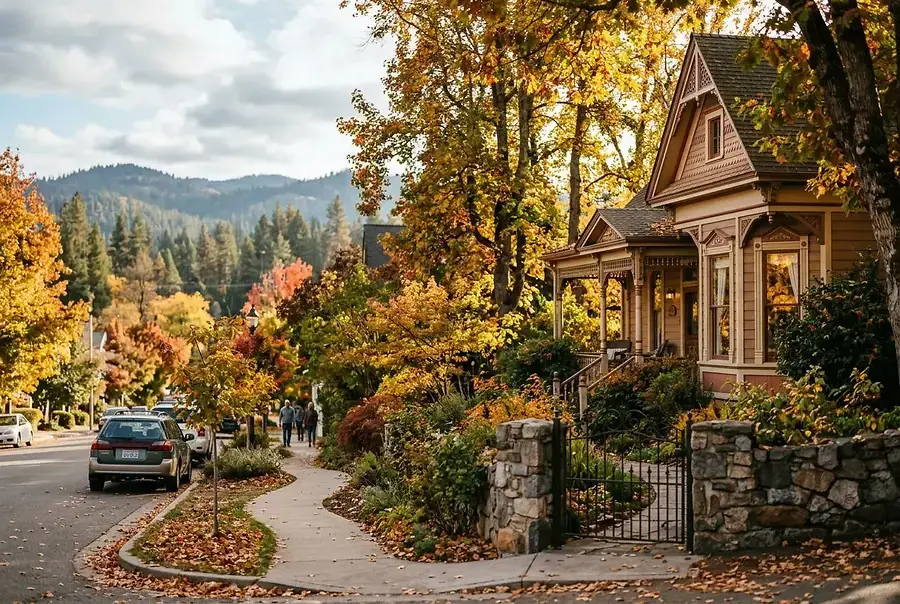
The stunning fall foliage in Nevada City's surrounding areas creates natural beauty that photographs exceptionally well. Properties listed in fall often attract motivated buyers who have fewer options to choose from, potentially leading to faster sales and favorable terms.
Winter: The Serious Buyer's Market
Winter transforms Nevada City into a quieter, more intimate setting. While some may view this as a slower season, it actually attracts a specific type of buyer: those truly committed to living in the area. Winter buyers are typically less price-sensitive and more focused on finding the right property rather than making a quick investment decision.
Snow and cold weather can deter casual browsers, meaning fewer showings but more qualified leads. Properties that sell in winter often do so at competitive prices because the buyer pool is smaller but more serious.
Strategic Timing for Sellers: When to List Your Property
Optimal Listing Windows
Spring (March through May) remains the premier time to list your Nevada City property. The combination of maximum buyer activity, favorable weather, and strong market conditions typically results in:
- Higher sale prices compared to other seasons
- Faster time on market
- Multiple offers and competitive bidding
- Better property presentation due to natural lighting and landscaping appeal
Early Fall (September through October) is your secondary optimal window. With reduced competition and motivated buyers, you can achieve strong results without the spring rush.
Seasons to Avoid
While winter isn't impossible for selling, it does present challenges. Holiday distractions reduce buyer activity, and harsh weather can limit showings. If you must sell during winter, price competitively and highlight indoor amenities and heating systems.
Late summer can also be tricky due to increased inventory and vacation-focused buyers who may not be serious primary residence purchasers.
Strategic Timing for Buyers: When to Enter the Market
Finding Your Ideal Entry Point
Fall and Winter buyers often find the best deals. With fewer competing offers and sellers who are motivated to close before year-end, you can negotiate more favorable terms. Properties may be priced lower simply because fewer buyers are actively searching.
Late Spring buyers benefit from a larger selection of properties. While prices may be higher, the abundance of choices means you're more likely to find exactly what you're looking for. This timing works well if you have specific requirements or are relocating with a deadline.
Buyer Advantages by Season
Spring: Maximum selection, but expect higher prices and competition. Best for buyers with flexibility on price.
Summer: Good selection with moderate competition. Ideal for vacation home buyers or those seeking rental properties.
Fall: Excellent for primary residence buyers. Reduced competition, motivated sellers, and still-pleasant weather for property viewing.
Winter: Best negotiating power and lowest prices. Perfect for serious buyers who aren't deterred by weather and want maximum leverage.
Making Your Decision
Your ideal entry point depends on your personal circumstances. If you're relocating for a job with a specific start date, timing may be predetermined. If you have flexibility, consider waiting for fall or winter to maximize your negotiating position and potentially save money.
Pro tip: Work with a local real estate agent who understands Nevada City's seasonal patterns. They can help you time your purchase or sale to align with market conditions and your personal goals.
Whether you're buying or selling in Nevada City, understanding seasonal real estate cycles empowers you to make strategic decisions that align with market conditions and your financial goals. By timing your move wisely, you can maximize returns, minimize competition, and find the perfect property or buyer at the right price.