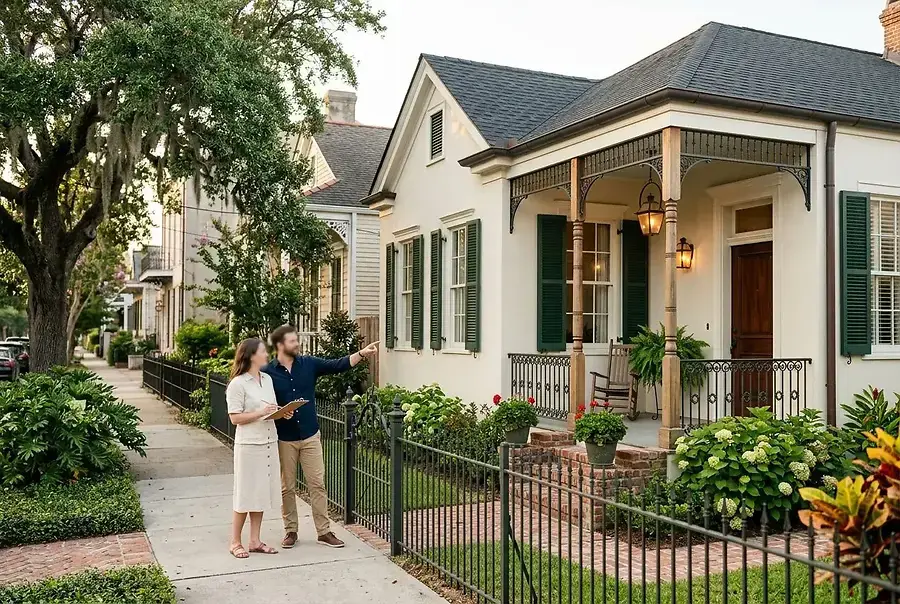
Understanding New Orleans-Specific Renovation Challenges and Building Codes
Renovating a home in New Orleans presents unique challenges that differ significantly from other regions. The city's distinctive architecture, climate, and historical preservation requirements demand careful planning and specialized knowledge.
Climate and Environmental Considerations
New Orleans' subtropical climate creates specific renovation demands. High humidity, frequent rainfall, and the risk of flooding require materials and construction methods that can withstand moisture exposure. Many homeowners must invest in:
- Elevated foundations or flood-resistant materials for lower levels
- Proper drainage systems and waterproofing solutions
- Mold-resistant insulation and ventilation systems
- Hurricane-resistant windows and reinforced roofing
Historical Preservation and Building Codes
If your home is located in a historic district, you'll need to comply with the Vieux Carré Design Guidelines or similar local regulations. These requirements can impact your renovation timeline and costs. Always check with the Architectural Review Board before starting any major work.
Additionally, New Orleans building codes are stricter than many areas due to past hurricane damage. Permits and inspections are mandatory, and contractors must be familiar with local electrical, plumbing, and structural codes.
Creating a Realistic Budget: Labor, Materials, and Timeline Expectations
Proper budgeting is crucial for a successful renovation. Understanding the cost breakdown helps you allocate resources wisely and avoid financial surprises.
Labor Costs in New Orleans
Labor represents a significant portion of renovation expenses in New Orleans. Skilled contractors familiar with local codes and climate-specific requirements command premium rates. Expect to budget 40-50% of your total renovation cost for labor. Factors affecting labor costs include:
- Contractor experience and licensing
- Project complexity and timeline
- Seasonal demand fluctuations
- Specialized work requirements (historic restoration, flood mitigation)
Materials and Supply Chain
Material costs vary based on your renovation scope. Budget 30-40% of your total project cost for materials. New Orleans-specific materials may include:
- Moisture-resistant drywall and insulation
- Elevated flooring systems
- Specialty paints and finishes for historic homes
- Hurricane-rated windows and doors
Supply chain delays can impact your timeline, so order materials early and maintain a 10-15% contingency buffer in your budget.
Timeline Expectations
New Orleans renovations typically take longer than projects in other regions. Factor in additional time for:
- Permit acquisition and inspections (2-4 weeks)
- Architectural review board approvals (4-8 weeks for historic properties)
- Moisture remediation and testing
- Seasonal weather delays during hurricane season
A typical kitchen renovation might take 8-12 weeks, while a full home renovation could extend to 6-12 months or longer.
Hiring Qualified Contractors and Protecting Your Investment
Selecting the right contractor is perhaps the most important decision in your renovation journey. The wrong choice can lead to costly mistakes and delays.
Contractor Selection Criteria
When evaluating contractors, prioritize these qualifications:
- Local experience: Contractors familiar with New Orleans-specific challenges and codes
- Proper licensing and insurance: Verify Louisiana contractor licenses and comprehensive liability coverage
- References and portfolio: Request at least three recent projects similar to yours
- Written estimates: Detailed breakdowns of labor, materials, and timeline
- Communication style: Choose someone responsive and transparent about progress
Protecting Your Investment
A well-drafted contract is your best protection against disputes and unexpected costs.
Your contract should include:
- Detailed scope of work with specifications
- Total project cost with payment schedule
- Start and completion dates with penalty clauses
- Warranty information for workmanship and materials
- Change order procedures for scope modifications
- Lien waiver requirements before final payment
Never pay the full amount upfront. Typical payment schedules involve deposits (25%), progress payments (50%), and final payment upon completion (25%).
Permits and Inspections
Ensure your contractor obtains all necessary permits. Unpermitted work can create problems when selling your home and may violate insurance coverage. The contractor should handle inspections at key stages: foundation, framing, electrical, plumbing, and final walkthrough.
Conclusion: Maximizing Your Home's Value Through Smart Renovations
A successful New Orleans home renovation requires understanding local challenges, creating realistic budgets, and hiring qualified professionals. By following these guidelines, you'll protect your investment and enhance your home's value.
Remember that the lowest bid isn't always the best choice. Invest in quality workmanship and materials suited to New Orleans' unique environment. With proper planning and the right team, your renovation will preserve your home's character while improving functionality and comfort for years to come.
Start your renovation journey by researching local contractors, consulting with the appropriate review boards, and developing a comprehensive budget. Your dream New Orleans home is within reach.