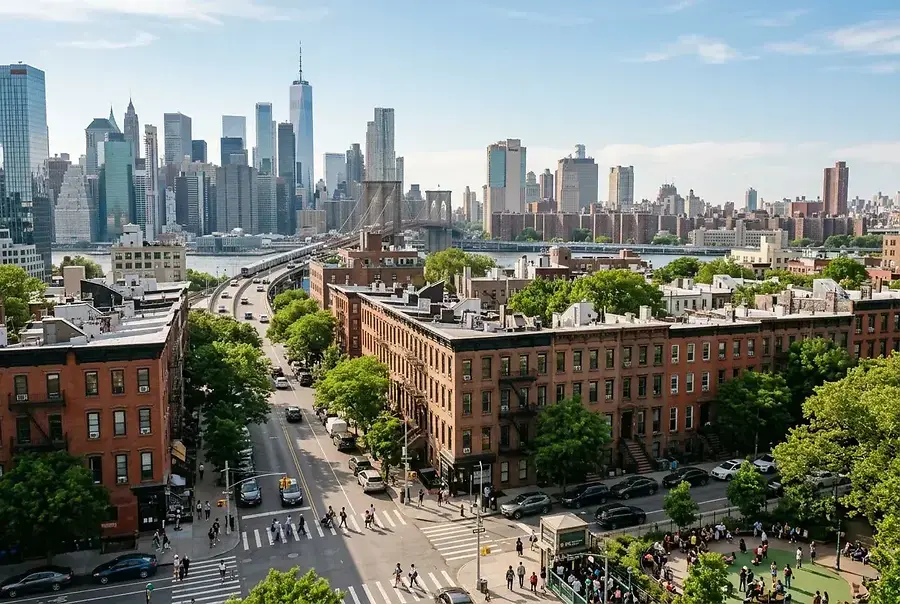
Understanding New York's Diverse Neighborhoods and Their Characteristics
New York City is a tapestry of distinct neighborhoods, each with its own personality, culture, and appeal. From the trendy streets of Brooklyn to the historic brownstones of Manhattan's Upper West Side, understanding what makes each area unique is the first step in your home-buying journey.
Manhattan neighborhoods range from the bustling Financial District to the artistic enclaves of the Lower East Side. Each area offers different vibes—whether you're seeking the energy of Midtown or the bohemian charm of Greenwich Village. The borough remains the most expensive, but it offers unparalleled access to culture, dining, and professional opportunities.
Brooklyn has emerged as a major player in the New York real estate market. Neighborhoods like Williamsburg, Park Slope, and Prospect Heights attract young professionals and families alike. These areas offer a more relaxed atmosphere while maintaining excellent connectivity to Manhattan.
Queens provides exceptional diversity and affordability. From the multicultural neighborhoods of Astoria and Jackson Heights to the family-friendly communities of Forest Hills, Queens offers something for everyone at more accessible price points.
The Bronx and Staten Island round out the city's offerings, providing even more affordable options with growing investment potential. These boroughs are increasingly popular with first-time homebuyers and families seeking space and value.
Evaluating Schools, Amenities, and Walkability in Your Target Area
School Quality and Educational Resources
If you have children or plan to, school quality should be a primary consideration. Research school ratings, graduation rates, and specialized programs. Public schools vary significantly by neighborhood, so investigate your specific zone before committing to a purchase.
- Check NYC Department of Education ratings and reviews
- Visit schools in person to assess facilities and culture
- Consider proximity to private school options
- Evaluate after-school programs and extracurricular activities
Amenities and Lifestyle Factors
Consider what amenities matter most to your lifestyle. Do you need proximity to parks, gyms, restaurants, or cultural institutions? A neighborhood rich in amenities can significantly enhance your quality of life.
- Parks and Recreation: Access to green spaces for outdoor activities
- Dining and Entertainment: Variety of restaurants, bars, and cultural venues
- Shopping: Grocery stores, retail options, and markets
- Healthcare: Proximity to hospitals and medical facilities
- Transportation: Subway access and commute times to your workplace
Walkability and Transportation
Walkability is crucial in New York City. A highly walkable neighborhood reduces your dependence on cars and allows you to accomplish daily tasks on foot. Check Walk Score ratings for specific addresses and explore the neighborhood at different times of day to get a true sense of foot traffic and safety.
Evaluate subway proximity and service frequency. Some neighborhoods have excellent subway access, while others rely more heavily on buses or require longer commutes. Consider how this impacts your daily life and long-term satisfaction.
Comparing Price Trends and Investment Potential Across Neighborhoods
Understanding Current Market Dynamics
New York's real estate market is dynamic and neighborhood-specific. Price per square foot varies dramatically across the city. Manhattan commands premium prices, while outer boroughs offer better value with strong appreciation potential.
Research recent sales data, average prices, and price trends over the past 3-5 years. This information helps you understand whether a neighborhood is appreciating, stagnating, or declining. Look for neighborhoods showing consistent growth with strong fundamentals.
Investment Potential and Future Growth
Consider factors that drive neighborhood appreciation:
- Development Projects: New infrastructure, transit improvements, or commercial development
- Demographic Trends: Population growth and changing resident profiles
- Economic Indicators: Job growth, business openings, and commercial activity
- Gentrification Patterns: Areas undergoing revitalization often see strong appreciation
- Zoning Changes: Potential for increased density or mixed-use development
Rental Income Potential
If you're considering investment properties, evaluate rental demand and potential income.
Neighborhoods with strong job markets, good transit access, and amenities typically command higher rents and attract quality tenants.Research average rental rates and vacancy rates to assess income potential.
Making Your Final Decision: Neighborhood Fit and Long-Term Value
Creating Your Neighborhood Scorecard
Develop a weighted scoring system based on your priorities. What matters most to you? Create a list of must-haves versus nice-to-haves, then evaluate neighborhoods against these criteria.
Consider factors such as:
- Price and affordability relative to your budget
- School quality and educational opportunities
- Commute time to work or school
- Neighborhood safety and community feel
- Long-term appreciation potential
- Lifestyle alignment with your values and interests
Spending Time in Your Potential Neighborhood
Don't just drive through—actually live in the neighborhood for a day or weekend. Visit at different times: early morning, evening, and weekends. Grab coffee at a local café, walk the streets, and talk to residents. This immersive experience reveals what daily life would truly be like.
Pay attention to your gut feeling. Does the neighborhood feel right? Can you envision yourself living there in five, ten, or twenty years? Emotional connection to a place matters as much as the numbers.
Working with Real Estate Professionals
Partner with a knowledgeable real estate agent who specializes in your target neighborhoods. They can provide insights into market trends, upcoming developments, and neighborhood dynamics that aren't immediately obvious. A good agent becomes a valuable advisor throughout your buying journey.
Final Thoughts
Choosing a New York neighborhood is one of the most important decisions you'll make as a homebuyer. Take your time, do your research, and trust your instincts. The perfect neighborhood exists for your lifestyle and goals—it's simply a matter of finding it. By systematically evaluating neighborhoods across multiple dimensions, you'll make a confident decision that brings both immediate satisfaction and long-term value.