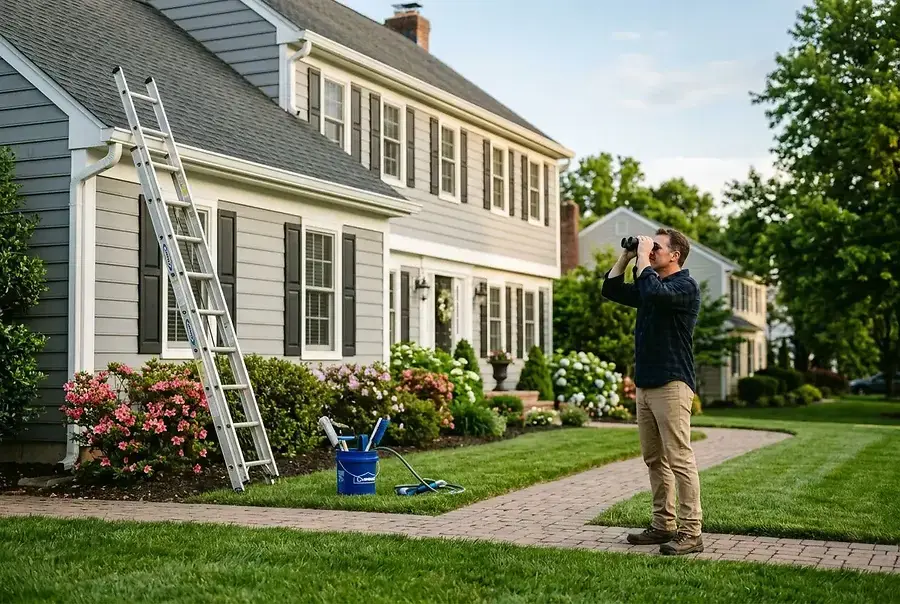
Introduction: Why Home Maintenance Matters for Newtown Homeowners
As a homeowner in Newtown, Pennsylvania, you've made one of the largest investments of your life. Protecting that investment requires more than just paying your mortgage—it demands consistent, strategic home maintenance. Regular maintenance is the difference between a home that appreciates in value and one that depreciates due to neglect.
Many homeowners underestimate how small, preventative tasks can save thousands of dollars in repairs. A leaky roof that goes unaddressed becomes structural damage. A clogged gutter becomes foundation problems. By staying proactive, you're not just maintaining your home; you're preserving its market value and ensuring it remains a safe, comfortable place for your family.
Essential Seasonal Maintenance Checklist for Pennsylvania Homes
Spring Maintenance
Spring is the ideal time to assess winter damage and prepare your home for warmer months. This is when many homeowners discover issues that developed during the cold season.
- Inspect your roof and gutters: Look for missing shingles, debris, and water damage. Clean gutters thoroughly to prevent water backup.
- Check foundation and exterior walls: Look for new cracks or signs of water intrusion around basement windows and doors.
- Service your air conditioning system: Have it inspected and serviced before the summer heat arrives.
- Inspect deck and patio: Check for rotting wood, loose boards, and safety hazards.
- Test outdoor faucets and irrigation systems: Ensure they're functioning properly after winter dormancy.
Summer Maintenance
Summer is the perfect season for exterior projects and preventative inspections while weather conditions are favorable.
- Seal cracks in driveway and walkways: Prevent water infiltration that can cause larger damage.
- Inspect and caulk windows and doors: Ensure proper sealing to maintain energy efficiency.
- Check exterior paint and siding: Address peeling paint or damaged siding before weather deteriorates them further.
- Trim trees and vegetation: Keep branches away from your roof and siding to prevent damage and pest entry.
- Inspect grading around your home: Ensure water drains away from your foundation.
Fall Maintenance
Fall requires preparation for the harsh Pennsylvania winter ahead. This is your last chance to address issues before cold weather arrives.
- Clean gutters and downspouts: Remove leaves and debris to prevent ice dams in winter.
- Inspect and repair weatherstripping: Seal gaps around doors and windows to improve energy efficiency.
- Have your heating system serviced: Schedule a professional inspection before you need it.
- Drain outdoor faucets and irrigation systems: Prevent freeze damage to pipes.
- Check chimney and fireplace: Have them cleaned and inspected for safety.
Winter Maintenance
Winter maintenance focuses on protecting your home from cold weather damage and maintaining safety.
- Monitor for ice dams: Ensure proper attic insulation and ventilation to prevent them.
- Keep gutters clear: Remove snow and ice buildup that can cause damage.
- Inspect basement for water intrusion: Winter moisture can reveal drainage problems.
- Check weatherstripping regularly: Reapply as needed to maintain energy efficiency.
- Maintain your septic system: Avoid flushing items that can freeze or cause blockages.
Budget-Friendly Repairs That Maximize Long-Term Property Value
High-Impact, Low-Cost Improvements
You don't need to spend a fortune to protect your home's value. Strategic, affordable investments can yield significant returns.
Caulking and weatherstripping: These inexpensive materials prevent air leaks and water intrusion. Proper sealing around windows and doors can reduce energy costs by 10-15% while protecting your home's structure.
Gutter maintenance: Cleaning gutters twice yearly costs minimal time and money but prevents thousands in foundation and roof damage. Consider installing gutter guards for a small investment that saves ongoing maintenance.
Painting and staining: Fresh exterior paint or deck stain protects wood from weather damage while dramatically improving curb appeal. This is one of the best returns on investment for home value.
Landscaping and lawn care: Well-maintained landscaping increases property value by up to 5-10%. Regular lawn care, mulching, and strategic plantings create excellent first impressions.
Preventative Maintenance That Saves Money
"An ounce of prevention is worth a pound of cure." This adage perfectly applies to home maintenance. Spending $100 on preventative care today can save $1,000 in emergency repairs tomorrow.
HVAC filter changes: Replacing filters every 1-3 months costs just $15-30 but extends your system's life by years and improves efficiency.
Plumbing inspections: A $100 professional inspection can identify small leaks before they become water damage nightmares costing thousands.
Pest prevention: Regular inspections and preventative treatments cost far less than dealing with termite damage or rodent infestations.
Attic ventilation: Ensuring proper attic ventilation prevents moisture buildup, extends roof life, and reduces energy costs—often requiring only minor adjustments.
DIY vs. Professional Services
While some tasks are perfect for DIY projects, knowing when to hire professionals is crucial. Electrical work, plumbing, roofing, and structural repairs should always be handled by licensed professionals. These areas require expertise and proper permits. However, painting, caulking, landscaping, and general cleaning are excellent DIY opportunities that save money while keeping you connected to your home's maintenance.
Conclusion: Building a Sustainable Home Care Strategy
Protecting your Newtown home's value isn't about making one big investment—it's about developing a consistent, strategic approach to maintenance. By following seasonal checklists, addressing small issues before they become big problems, and making smart budget-friendly repairs, you're building a sustainable home care strategy that pays dividends for years to come.
Start by creating a maintenance calendar for your home. Assign seasonal tasks to specific months. Keep records of all repairs and maintenance performed. This documentation increases your home's value when you eventually sell and helps you identify patterns in what needs attention.
Remember, your home is constantly exposed to Pennsylvania's weather extremes. Regular maintenance isn't optional—it's an investment in your property's longevity, safety, and market value. The homeowners who stay ahead of maintenance challenges enjoy lower repair costs, higher property values, and greater peace of mind.
Begin today. Walk through your home, identify one area that needs attention, and take action. Your future self—and your home's resale value—will thank you.