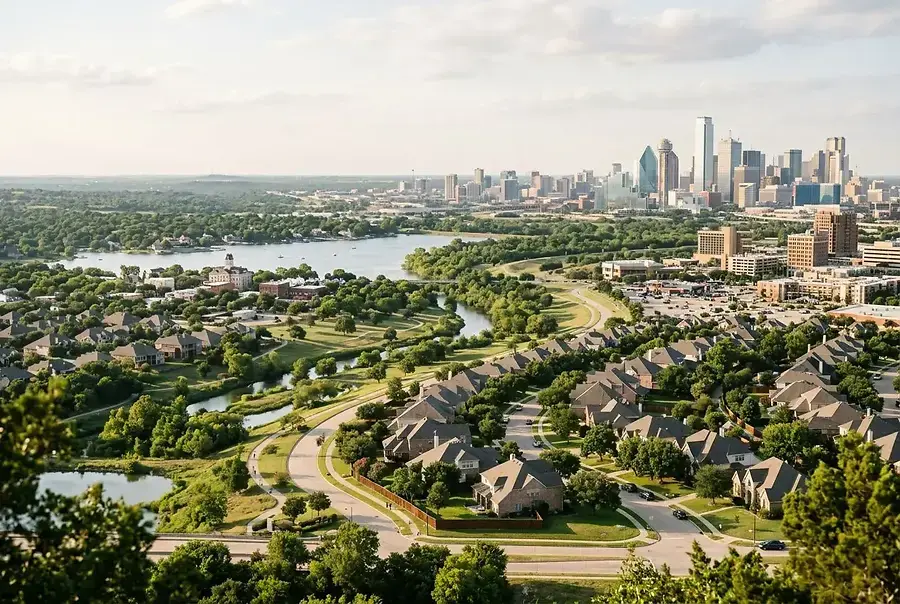
Introduction: Understanding the North Texas Real Estate Landscape
The North Texas region has become one of the most dynamic real estate markets in the United States, attracting homebuyers and investors from across the country. With its diverse communities, strong job growth, and affordable housing options compared to other major metropolitan areas, North Texas offers something for everyone. However, understanding the nuances of different markets within this region is crucial for making an informed investment decision.
From the bustling urban centers of Dallas and Fort Worth to the charming suburban communities of Waxahachie and Granbury, each area presents unique opportunities and price points. Whether you're a first-time homebuyer, an investor seeking rental income, or someone looking to relocate, comparing home prices across these communities can help you maximize your investment potential.
Market Price Analysis: How Each Community Compares
Dallas: The Urban Hub
Dallas remains the largest metropolitan area in North Texas, commanding premium prices due to its robust job market, cultural attractions, and urban amenities. The average home prices in Dallas vary significantly by neighborhood, with established areas like Highland Park and University Park commanding top dollar, while emerging neighborhoods offer more accessible entry points for buyers.
Key characteristics:
- Higher average home prices reflecting urban demand
- Diverse neighborhood options from luxury to affordable
- Strong rental market and investment potential
- Excellent schools and cultural institutions
Fort Worth: The Growing Metropolis
Fort Worth has experienced remarkable growth in recent years, offering slightly lower prices than Dallas while maintaining strong economic fundamentals. The city's revitalized downtown, thriving cultural district, and expanding job market make it an attractive alternative for those seeking urban living at a more moderate price point.
Key characteristics:
- More affordable than Dallas with comparable amenities
- Rapid development and neighborhood revitalization
- Strong commercial and industrial job opportunities
- Growing popularity among young professionals
Waxahachie: The Suburban Sweet Spot
Located south of Dallas, Waxahachie represents an excellent value proposition for homebuyers seeking suburban living with reasonable commute times. The community has experienced steady growth while maintaining more affordable home prices than Dallas proper, making it ideal for families and first-time buyers.
Key characteristics:
- Significantly lower home prices than Dallas
- Family-friendly atmosphere with good schools
- Manageable commute to Dallas employment centers
- Growing retail and dining options
Granbury: The Charming Alternative
Situated southwest of Fort Worth, Granbury offers a unique blend of small-town charm and modern amenities. With its historic downtown, beautiful lake setting, and lower price points, Granbury appeals to those seeking a quieter lifestyle while still maintaining access to North Texas employment opportunities.
Key characteristics:
- Most affordable option among major North Texas communities
- Scenic lake views and outdoor recreation
- Historic downtown with unique character
- Longer commute to major employment centers
Factors Influencing Home Values in Different North Texas Areas
Employment Opportunities and Economic Growth
The availability of well-paying jobs is perhaps the most significant driver of home values in any community. Dallas and Fort Worth benefit from diverse employment sectors including technology, healthcare, finance, and manufacturing. Communities closer to these employment hubs command higher prices due to reduced commute times and greater job accessibility.
School Quality and Family Amenities
Families prioritize school quality when choosing where to live, and this factor significantly impacts home values. Communities with highly-rated school districts, parks, recreational facilities, and family-friendly amenities typically see stronger home appreciation and higher price points.
Infrastructure and Development
The quality of roads, public transportation, and ongoing development projects influences property values. Areas with planned infrastructure improvements often see appreciation as these projects come to fruition. Similarly, communities with modern utilities and well-maintained public services command premium prices.
Proximity to Urban Centers
Location remains a fundamental principle in real estate. Communities closer to Dallas and Fort Worth's downtown areas and major employment centers typically have higher home prices. However, this proximity comes with trade-offs including higher costs of living and increased traffic congestion.
Market Trends and Population Growth
Communities experiencing rapid population growth often see appreciation in home values as demand increases. North Texas as a whole has attracted significant migration, but growth rates vary by community. Areas with sustainable, planned growth tend to maintain stable property values better than those experiencing rapid, uncontrolled expansion.
Lifestyle and Community Character
The intangible qualities of a community—its character, walkability, cultural offerings, and sense of community—also influence home values. Communities with vibrant downtown areas, local businesses, and strong community engagement often see stronger demand and higher prices.
Conclusion: Choosing the Right Market for Your Investment
The North Texas real estate market offers diverse opportunities across multiple communities, each with distinct advantages and price points. Your ideal choice depends on your priorities:
- For urban living and maximum amenities: Dallas and Fort Worth offer the most options, though at higher price points
- For suburban balance: Waxahachie provides excellent value with reasonable commute times
- For affordability and lifestyle: Granbury offers the lowest prices with unique charm
Before making your investment decision, consider your career trajectory, family needs, lifestyle preferences, and long-term financial goals. Research specific neighborhoods within each community, as prices can vary significantly even within the same city. Consulting with local real estate professionals who understand market nuances can provide invaluable insights.
The North Texas region continues to grow and evolve, presenting opportunities for both homeowners and investors. By understanding how different communities compare in terms of pricing, amenities, and growth potential, you can make a confident decision that aligns with your needs and investment objectives.
