Introduction: Understanding NYC's Diverse Residential Markets
New York City's real estate market remains one of the most dynamic and competitive in the world. With neighborhoods ranging from historic brownstone districts to modern high-rise developments, NYC offers diverse residential options for every budget and lifestyle. Understanding the current pricing landscape and market conditions across different neighborhoods is essential for both homebuyers and investors looking to make informed decisions.
The city's residential market has evolved significantly, with each neighborhood offering unique characteristics, amenities, and investment potential. Whether you're seeking a family-friendly community, a vibrant urban lifestyle, or a solid investment opportunity, NYC's neighborhoods present distinct opportunities and challenges worth exploring.
Neighborhood-by-Neighborhood Price Analysis and Market Conditions
Manhattan's Premium Markets
Upper West Side: This prestigious neighborhood continues to command premium prices, with median home values ranging from $1.2 to $1.8 million for condos and co-ops. The area attracts families and professionals seeking proximity to Central Park, excellent schools, and cultural institutions. Market conditions remain stable with steady demand from affluent buyers.
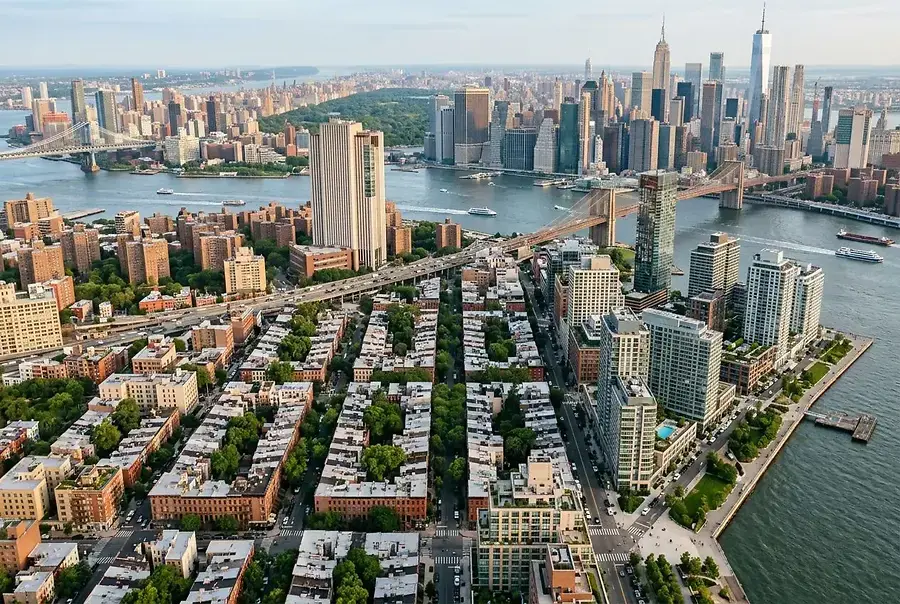
Brooklyn Heights: Known for its historic brownstones and waterfront views, Brooklyn Heights maintains strong property values between $900,000 and $1.5 million. The neighborhood's tree-lined streets and proximity to Manhattan via the Brooklyn Bridge make it highly desirable. Recent market trends show consistent appreciation and sustained buyer interest.
Emerging Brooklyn Neighborhoods
Williamsburg: This trendy neighborhood has transformed into a mixed-use destination with prices ranging from $700,000 to $1.3 million. The area features modern developments, vibrant nightlife, and excellent dining options. Investment potential remains strong as the neighborhood continues to attract young professionals and creative industries.
Park Slope: Offering more affordable options than Manhattan, Park Slope features beautiful Victorian homes and proximity to Prospect Park. Median prices range from $650,000 to $1.1 million. The neighborhood appeals to families and provides solid long-term investment potential with steady appreciation.
Queens' Growing Markets
Long Island City: This rapidly developing waterfront neighborhood offers modern apartments and condos ranging from $500,000 to $1.2 million. With ongoing development projects and improved transportation links, Long Island City presents excellent investment opportunities for those seeking growth potential.
Astoria: Known for its diverse community and affordable pricing, Astoria offers homes and apartments from $400,000 to $800,000. The neighborhood's cultural attractions, parks, and improving infrastructure make it an attractive option for budget-conscious buyers seeking value.
Additional Key Markets
Sunset Park, Brooklyn: This up-and-coming neighborhood features prices from $450,000 to $900,000, with strong potential for appreciation. Its proximity to transportation hubs and ongoing revitalization efforts make it attractive to investors.
Forest Hills, Queens: Offering suburban charm within the city, Forest Hills provides homes from $550,000 to $950,000. The neighborhood appeals to families seeking space and community while maintaining city access.
Ditmas Park, Brooklyn: This historic neighborhood features Victorian mansions and apartments ranging from $400,000 to $850,000. Its architectural character and improving amenities attract both homeowners and investors.
Astoria Heights, Queens: Similar to Astoria, this area offers affordable options from $380,000 to $750,000, with growing investment interest.
Greenpoint, Brooklyn: This waterfront neighborhood features prices from $550,000 to $1.1 million, with strong appreciation trends and ongoing development.
Investment Potential and Long-Term Value Considerations
Factors Driving Market Growth
Several key factors influence residential property values across NYC neighborhoods:
- Transportation Access: Proximity to subway lines and commuter rail significantly impacts property values and rental potential
- School Quality: Neighborhoods with highly-rated schools command premium prices and attract family buyers
- Amenities and Culture: Parks, restaurants, cultural institutions, and entertainment options drive desirability
- Development Projects: New construction, infrastructure improvements, and neighborhood revitalization boost long-term appreciation
- Demographic Trends: Population growth, income levels, and demographic shifts influence market dynamics
Investment Strategy Considerations
Value-Focused Investors: Queens neighborhoods like Astoria and Forest Hills offer strong value propositions with growth potential. These areas provide more affordable entry points while maintaining solid appreciation prospects.
Growth-Oriented Investors: Emerging neighborhoods such as Long Island City and Sunset Park present opportunities for significant appreciation as development continues and infrastructure improves.
Stability-Seeking Investors: Established neighborhoods like Brooklyn Heights and Park Slope offer proven track records of consistent appreciation and strong rental markets, making them suitable for conservative investors.
Market Outlook and Trends
The NYC residential market continues to show resilience with several notable trends:
- Increased interest in outer-borough neighborhoods as Manhattan prices remain elevated
- Growing demand for properties with outdoor space and home office capabilities
- Sustained interest from international and domestic investors seeking NYC real estate
- Ongoing development in waterfront areas creating new residential opportunities
- Rising rental market strength supporting investment property returns
Conclusion: Choosing the Right Neighborhood for Your Residential Goals
NYC's residential market offers opportunities across a wide range of price points and neighborhood characteristics. Success in this market requires understanding your personal priorities, financial capacity, and investment timeline.
For homebuyers, consider factors such as commute times, school quality, lifestyle preferences, and long-term neighborhood trajectory. Manhattan neighborhoods offer prestige and established amenities, while Brooklyn and Queens provide more affordable options with strong growth potential.
For investors, evaluate rental market strength, appreciation potential, and neighborhood development plans. Diversifying across neighborhoods with different risk profiles can help balance portfolio returns.
Whether you're seeking a primary residence or an investment property, NYC's diverse neighborhoods provide options to match virtually any goal. By understanding current pricing, market conditions, and future potential, you can make confident decisions that align with your residential and financial objectives. The key is conducting thorough research, working with knowledgeable professionals, and choosing a neighborhood that matches your unique needs and vision for the future.