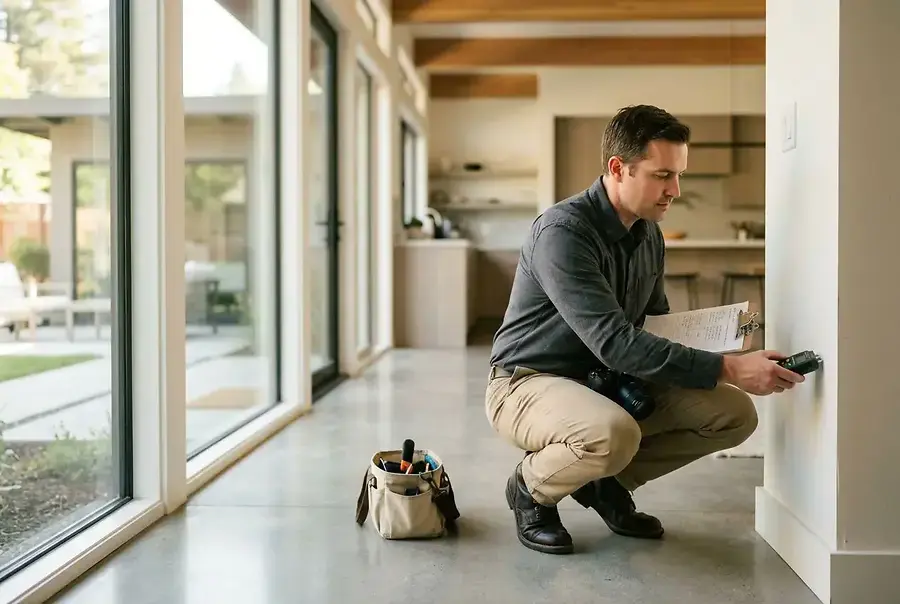
Why Home Inspections Matter in Palo Alto's Competitive Market
In Palo Alto's fast-paced real estate market, home inspections are not just a formality—they're a critical safeguard for your investment. With properties commanding premium prices and multiple offers becoming the norm, buyers often feel pressured to waive inspections or skip thorough evaluations. However, this approach can lead to costly surprises after closing.
A comprehensive home inspection provides an objective assessment of a property's condition, identifying issues that may not be visible during casual walkthroughs. Whether you're purchasing a historic Victorian, a mid-century modern home, or a newly constructed property, understanding what inspectors examine can help you make informed decisions and negotiate from a position of knowledge.
The stakes are high in Palo Alto. A single overlooked structural issue or failing system can cost tens of thousands of dollars to repair. Professional inspections serve as your first line of defense, revealing problems before you're legally bound to the purchase.
Key Areas Inspectors Examine: Foundation, Systems, and Structural Integrity
Foundation and Structural Components
Inspectors begin by evaluating the foundation—the literal backbone of any home. They look for:
- Cracks in concrete or masonry that may indicate settling or structural movement
- Water damage, moisture intrusion, or signs of past flooding
- Proper grading around the foundation to ensure water drains away from the structure
- Evidence of pest damage or wood rot in crawl spaces and basements
In Palo Alto, where many homes sit on hillsides or near water sources, foundation issues are particularly important to assess. Soil composition and drainage patterns can significantly impact long-term structural stability.
Electrical, Plumbing, and HVAC Systems
Modern home inspections thoroughly evaluate three critical systems:
- Electrical: Panel capacity, wiring condition, grounding, and safety compliance. Older homes may have outdated systems that need upgrading.
- Plumbing: Water pressure, drainage, pipe materials, and potential corrosion. Galvanized pipes common in older homes may need replacement.
- HVAC: Furnace and air conditioning efficiency, ductwork condition, and thermostat functionality. California's climate demands reliable cooling systems.
These systems represent significant replacement costs. A failing HVAC system alone can run $8,000 to $15,000 to replace, making their condition crucial to your purchase decision.
Roof, Exterior, and Weather Protection
Inspectors examine the roof's age, material condition, and remaining lifespan. They also assess:
- Siding and exterior walls for damage or deterioration
- Windows and doors for proper sealing and operation
- Gutters and downspouts for proper water management
- Decks and patios for structural integrity and safety
Roof replacement in Palo Alto can exceed $20,000, making this assessment invaluable. Inspectors provide estimates on remaining roof life, helping you budget for future maintenance.
Interior Conditions and Safety Features
A thorough inspection includes evaluation of:
- Insulation levels and ventilation adequacy
- Presence and functionality of safety features like smoke detectors and carbon monoxide detectors
- Stairway safety and handrail compliance
- Bathroom and kitchen functionality
- Evidence of mold, asbestos, or other hazardous materials
Red Flags and Cost Implications: Understanding Inspection Reports
Common Red Flags in Palo Alto Properties
Certain findings should trigger serious consideration:
- Foundation cracks or settling: Repairs can range from $5,000 to $50,000+ depending on severity
- Roof age over 20 years: Replacement is imminent, typically costing $15,000-$25,000
- Outdated electrical panels: Upgrades may cost $3,000-$8,000
- Plumbing issues: Repiping can cost $10,000-$25,000 for a full house
- Evidence of water damage or mold: Remediation costs vary widely but can be substantial
- Pest damage or infestation: Treatment and repairs can exceed $5,000
Interpreting the Report
Home inspection reports categorize findings by severity. Major issues require immediate attention and significantly impact property value. Minor issues are typically maintenance items. Understanding this distinction helps you prioritize concerns and negotiate effectively.
A well-documented inspection report becomes your negotiating tool. Armed with specific findings and cost estimates, you can request repairs, credits, or price reductions from the seller.
The Negotiation Advantage
In Palo Alto's competitive market, inspection results provide leverage. You can:
- Request the seller make repairs before closing
- Negotiate a credit toward repairs you'll handle yourself
- Adjust your offer price based on documented issues
- Walk away from the deal if problems are too severe
This negotiating power is invaluable, especially when inspection reveals unexpected costs that weren't apparent during showings.
Using Inspection Results to Negotiate and Protect Your Purchase
The inspection period—typically 7-10 days in California—is your opportunity to thoroughly evaluate the property. Don't rush this process. Review the complete report, ask your inspector questions, and consider obtaining specialist evaluations for any major concerns.
Next steps after receiving the report:
- Prioritize findings by cost and urgency
- Obtain repair estimates from licensed contractors
- Consult with your real estate agent about negotiation strategy
- Decide whether to request repairs, credits, or price adjustments
- Document all communications with the seller regarding inspection findings
Remember, the inspection protects both parties. Sellers benefit from knowing about issues and addressing them, while buyers gain confidence in their purchase. In Palo Alto's high-value market, this transparency is essential.
A comprehensive home inspection is not an expense—it's an investment in peace of mind. By understanding what inspectors examine and how to use their findings, you position yourself as a knowledgeable buyer capable of making smart decisions in one of California's most competitive real estate markets.