Understanding Pittsburgh's Diverse Housing Market and Price Ranges
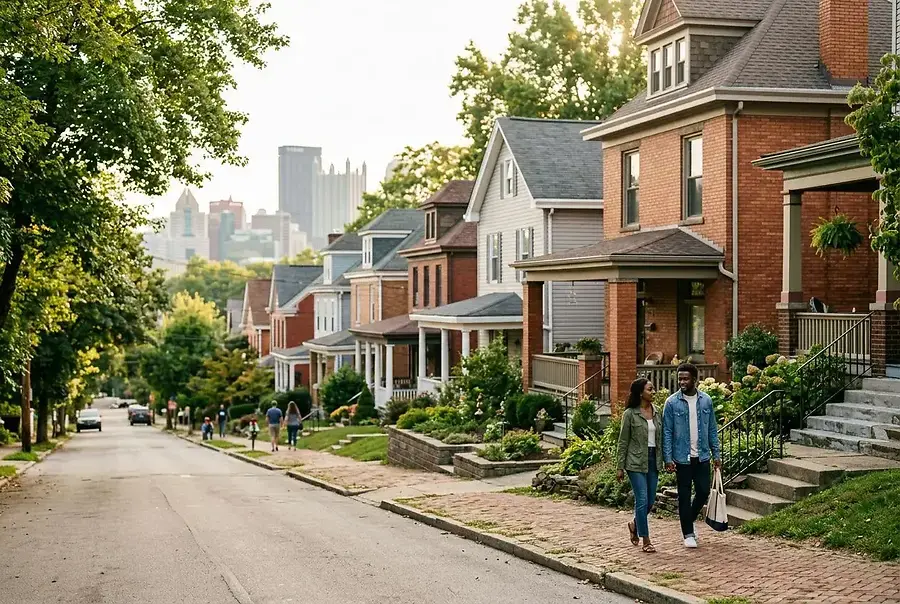
Pittsburgh's real estate market has transformed dramatically over the past decade, offering homebuyers an exceptional range of options across multiple price points. Unlike many major metropolitan areas, Pittsburgh maintains a reputation for affordability while delivering strong neighborhood character and investment potential. The city's diverse neighborhoods span from historic Victorian homes in Shadyside to modern lofts in the Strip District, with price ranges that accommodate virtually every budget.
The Pittsburgh housing market currently reflects a healthy balance between buyers and sellers. Entry-level homes start around $100,000 in emerging neighborhoods, while established areas command premium prices. Understanding this spectrum is crucial for making informed decisions about where to invest your money and which neighborhoods align with your long-term financial goals.
The city's economic diversification has attracted young professionals, families, and retirees alike, creating demand across multiple housing segments. This demand has stabilized prices while maintaining affordability compared to coastal markets, making Pittsburgh an increasingly attractive destination for homebuyers seeking value.
Budget-Friendly Neighborhoods with Strong Appreciation Potential
Emerging Neighborhoods Worth Watching
Several Pittsburgh neighborhoods offer exceptional value for budget-conscious buyers while demonstrating strong appreciation potential. Lawrenceville has experienced significant revitalization, with young professionals and families drawn to its walkable streets, vibrant arts scene, and proximity to downtown. While prices have risen, the neighborhood still offers better value than established areas like Shadyside.
The South Shore neighborhood represents another compelling opportunity. Located along the Allegheny River, this area is experiencing renewed investment in infrastructure and amenities. Homes here typically cost 15-20% less than comparable properties in neighboring Southside, while offering similar access to restaurants, shops, and entertainment.
Established Value Neighborhoods
For buyers seeking stability with affordability, consider these established neighborhoods:
- Dormont – Excellent schools, tree-lined streets, and strong community character at reasonable prices
- Squirrel Hill – Diverse, vibrant neighborhood with cultural amenities and solid home values
- Greenfield – Quiet, residential area with convenient access to downtown and universities
- Beechview – Family-friendly with parks, good schools, and emerging development potential
These neighborhoods offer the advantage of established infrastructure, proven school systems, and community stability—factors that support long-term property appreciation without the premium pricing of the most sought-after areas.
Smart Negotiation Tactics to Maximize Your Buying Power
Research and Preparation
Before entering negotiations, arm yourself with comprehensive market data. Study comparable sales in your target neighborhood over the past three to six months. Understanding what similar homes sold for provides leverage in discussions with sellers and their agents. Online resources and your real estate agent can provide this critical information.
Timing matters significantly in real estate negotiations. Homes listed during winter months or in slower seasons often see more motivated sellers willing to negotiate. Similarly, properties that have been on the market for extended periods present negotiation opportunities, as sellers may be more flexible on price.
Strategic Offer Techniques
Consider these proven negotiation strategies:
- Make a strong initial offer – While you want to leave room for negotiation, an offer that's too low may offend sellers and end discussions prematurely
- Include contingencies wisely – Fewer contingencies make your offer more attractive, but protect yourself with essential inspections and appraisals
- Request seller concessions – Rather than negotiating price alone, ask sellers to cover closing costs or make specific repairs
- Get pre-approved financing – Sellers take cash offers and pre-approved buyers more seriously, strengthening your negotiating position
- Be flexible on closing timeline – Offering a longer or shorter closing period can be valuable leverage in negotiations
Remember: successful negotiation is about finding win-win solutions where both parties feel satisfied with the outcome.
Working with Your Real Estate Agent
A knowledgeable local agent is invaluable during negotiations. Your agent understands neighborhood trends, seller motivations, and market conditions that can inform your strategy. They can also identify properties before they hit the open market, giving you first-mover advantage in competitive situations.
Getting Pre-Approved and Understanding Your True Affordability Range
The Pre-Approval Advantage
Pre-approval is fundamentally different from pre-qualification. Pre-approval involves a thorough review of your finances, credit, income, and assets by a lender, resulting in a specific loan amount you're qualified to borrow. This document signals to sellers that you're a serious, qualified buyer—a significant advantage in competitive markets.
Beyond strengthening your offer, pre-approval clarifies your true affordability range. Many buyers overestimate what they can comfortably afford, leading to financial stress. Pre-approval forces a realistic conversation about your budget based on actual lending criteria.
Understanding Your True Affordability
Lenders typically use the debt-to-income ratio to determine loan amounts. Most conventional loans require your total monthly debt payments (including the new mortgage) not exceed 43% of gross monthly income. However, this doesn't mean you should borrow the maximum available.
Consider these factors when determining your comfortable budget:
- Down payment savings – A larger down payment reduces monthly payments and eliminates private mortgage insurance
- Emergency reserves – Maintain 3-6 months of expenses in savings for unexpected costs
- Property taxes and insurance – Pittsburgh's property taxes vary by municipality; factor these into your calculations
- Maintenance and repairs – Budget 1-2% of home value annually for upkeep
- Future financial goals – Ensure your mortgage doesn't prevent saving for retirement or other objectives
Exploring Loan Programs
Pittsburgh homebuyers have access to various loan programs designed to improve affordability. FHA loans require as little as 3.5% down payment, while first-time homebuyer programs may offer down payment assistance or favorable terms. VA loans for military service members offer zero-down options. Research programs you may qualify for with your lender.
Your Path to Pittsburgh Homeownership
Finding an affordable quality home in Pittsburgh is achievable with proper preparation and strategy. By understanding the diverse market, targeting neighborhoods with appreciation potential, negotiating effectively, and securing appropriate financing, you can make a confident purchase decision. Start by getting pre-approved, research neighborhoods thoroughly, and work with experienced local professionals who understand Pittsburgh's unique market dynamics. Your ideal home at the right price is waiting—you just need the right approach to find it.