Why Home Inspections Matter in Plain City
Purchasing a home is one of the most significant financial decisions you'll make in your lifetime. In Plain City, where the real estate market continues to thrive, a thorough home inspection is not just a recommendation—it's a necessity. A professional home inspection provides you with an objective assessment of your potential property's condition, helping you understand what you're truly investing in.
Many buyers skip or rush through inspections to close deals faster, but this approach can lead to costly surprises down the road. Hidden structural issues, outdated electrical systems, or failing HVAC units can cost thousands to repair. By investing in a comprehensive inspection, you protect yourself from unexpected expenses and gain leverage in negotiations with sellers.
A professional inspector serves as your advocate, identifying problems that untrained eyes might miss. Whether you're buying a newly constructed home or a historic property in Plain City, an inspection gives you peace of mind and confidence in your purchase.
Key Areas Professional Inspectors Evaluate
Structural Integrity and Foundation
The foundation is the backbone of any home. Professional inspectors examine the foundation for cracks, settling, or water damage. They look for signs of structural movement, which could indicate serious problems requiring expensive repairs. In Plain City, where soil conditions vary by neighborhood, foundation issues are particularly important to assess.
Roofing and Exterior
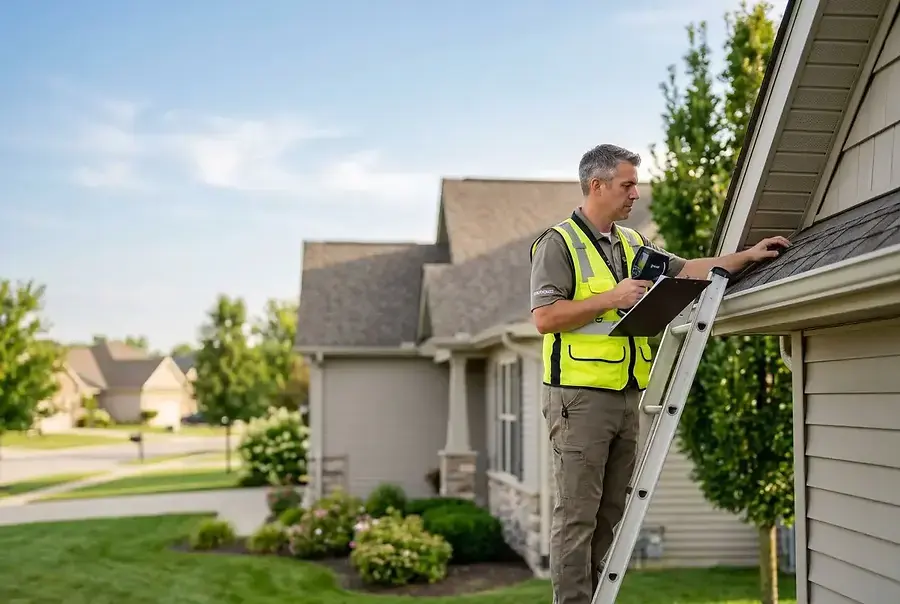
Your roof protects everything beneath it. Inspectors evaluate:
- Shingle condition and remaining lifespan
- Flashing around chimneys and vents
- Gutters and drainage systems
- Exterior walls for water damage or deterioration
- Windows and doors for proper sealing
A roof replacement can easily cost $10,000 or more, making this assessment critical to your decision-making process.
Plumbing Systems
Inspectors test water pressure, check for leaks, and evaluate the age and condition of pipes. They examine both visible plumbing and hidden pipes within walls. Older homes in Plain City may have outdated plumbing materials that could fail unexpectedly, so this inspection is especially important for vintage properties.
Electrical Systems
A safe electrical system is non-negotiable. Professional inspectors verify:
- Panel capacity and condition
- Proper grounding and bonding
- Outlet and switch functionality
- Presence of GFCI outlets in wet areas
- Compliance with current electrical codes
HVAC and Climate Control
Heating, ventilation, and air conditioning systems are essential for comfort and health. Inspectors assess the age, condition, and efficiency of furnaces, air conditioners, and ventilation systems. They check for proper installation and maintenance history.
Interior Condition
Beyond major systems, inspectors evaluate:
- Walls and ceilings for water stains or damage
- Flooring condition and stability
- Doors and windows operation
- Insulation levels in attic and walls
- Presence of mold or pest damage
Red Flags and How to Respond to Inspection Findings
Understanding the Inspection Report
Your inspector will provide a detailed report categorizing findings by severity. Major issues require immediate attention, while minor concerns might be addressed over time. Understanding this distinction helps you prioritize your response.
Common Red Flags in Plain City Homes
Water damage and moisture issues are among the most serious concerns. Look for:
- Stains on ceilings or walls
- Soft spots in flooring
- Musty odors indicating mold
- Basement flooding history
Structural problems such as foundation cracks, sagging floors, or bowing walls demand professional evaluation. These issues can compromise the entire home's integrity.
Outdated or unsafe electrical systems, including knob-and-tube wiring or aluminum wiring, pose fire hazards and should be replaced.
Negotiating After Inspection
Once you receive the inspection report, you have several options:
- Request repairs: Ask the seller to fix identified issues before closing
- Request credits: Negotiate a price reduction to cover repair costs yourself
- Walk away: If major issues exist, you may choose to find another property
- Accept as-is: For minor issues, you might proceed without changes
The key is understanding what issues are deal-breakers for you and what you're willing to address after purchase.
A professional home inspector is your advocate during this critical negotiation phase, providing expert guidance on repair costs and urgency.
Getting Second Opinions
For major issues, don't hesitate to hire specialists. A structural engineer, electrician, or plumber can provide detailed assessments and repair estimates. This investment protects your larger investment in the home.
Protecting Your Investment with Thorough Inspections
A comprehensive home inspection is your best defense against costly surprises. By understanding what inspectors evaluate and how to respond to their findings, you make informed decisions that protect your financial interests.
In Plain City's competitive real estate market, thorough due diligence sets successful buyers apart. Don't rush the inspection process or ignore red flags. Instead, use this critical step to negotiate confidently and invest wisely in your future home.
Remember: The cost of a professional inspection—typically $300 to $500—is minimal compared to the potential savings from identifying problems before purchase. Make it a non-negotiable part of your home-buying journey.