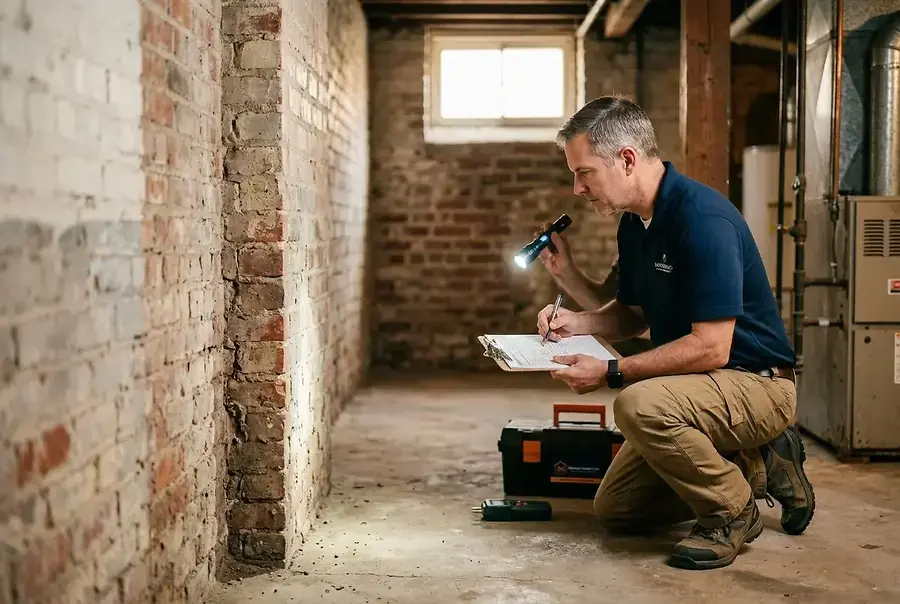
Why Baltimore Sellers Should Get a Pre-Listing Home Inspection
Selling a home in Baltimore's competitive real estate market requires strategic planning and smart decision-making. One of the most effective strategies sellers often overlook is the pre-listing home inspection. Unlike the traditional inspection that occurs after a buyer makes an offer, a pre-listing inspection gives you control of the narrative and positions your home for success.
When you conduct an inspection before listing, you gain valuable insight into your home's condition. This knowledge allows you to address issues proactively, set realistic asking prices, and present your property with confidence. In a market where buyers are increasingly cautious, transparency becomes your greatest asset.
Building Buyer Confidence and Trust
Buyers in Baltimore appreciate honesty and transparency. By providing a pre-listing inspection report upfront, you demonstrate that you have nothing to hide. This builds immediate trust and can significantly reduce negotiation friction during the sales process. When potential buyers see that you've already identified and disclosed issues, they're more likely to move forward without requesting their own inspection—saving time and reducing deal-killing complications.
Avoiding Last-Minute Surprises
Nothing derails a home sale faster than unexpected problems discovered during a buyer's inspection. A pre-listing inspection allows you to:
- Identify structural issues before they become deal-breakers
- Discover hidden problems in plumbing, electrical, or HVAC systems
- Address code violations that could delay closing
- Plan repairs strategically rather than under pressure
By controlling the timeline, you can make informed decisions about which repairs to complete and which to address through pricing adjustments.
Common Issues Found in Baltimore Homes and How to Address Them
Baltimore's historic charm comes with unique challenges. Understanding common issues in the area helps you prepare for what inspectors typically find.
Aging Roof Systems
Many Baltimore homes feature older roofs that may be nearing the end of their lifespan. Roof replacement or repair is often one of the first issues identified. If your inspection reveals roofing problems, you have two options: invest in repairs or replacement, or adjust your asking price to account for the buyer's future costs. Either approach is better than surprising buyers later.
Foundation and Basement Issues
Baltimore's clay soil and older construction methods can lead to foundation settling and basement moisture problems. Pre-listing inspections often reveal:
- Cracks in foundation walls
- Water intrusion and dampness
- Efflorescence (white mineral deposits)
- Inadequate drainage systems
Addressing these issues—or being transparent about them—prevents buyer walkouts during their inspection phase.
Outdated Electrical and Plumbing Systems
Older Baltimore homes frequently have knob-and-tube wiring or outdated plumbing that may not meet current codes. A pre-listing inspection identifies these systems, allowing you to either upgrade them or price accordingly. Modern buyers expect functional, safe systems, and transparency about upgrades needed builds confidence.
HVAC and Heating Concerns
Heating systems in older homes may be inefficient or nearing replacement. An inspection reveals the condition and expected lifespan of your HVAC system, helping you set realistic expectations with buyers.
Using Inspection Results to Price and Market Your Home Effectively
A pre-listing inspection report is more than a diagnostic tool—it's a marketing asset and a pricing guide.
Strategic Pricing Based on Condition
Armed with detailed inspection findings, you can price your home accurately. Rather than overpricing and facing rejection, or underpricing and leaving money on the table, you set a price that reflects your home's true condition. This attracts serious buyers and reduces the likelihood of appraisal issues that could derail the sale.
Marketing with Transparency
Include your inspection report in your listing materials. Highlight what's in good condition and be upfront about what needs attention. This transparency differentiates your listing and appeals to buyers who value honesty. You might say something like:
"This home has been professionally inspected. The foundation is solid, the electrical system has been updated, and the roof was replaced five years ago. The HVAC system will need replacement within the next few years—reflected in our competitive pricing."
Negotiation Leverage
When buyers request their own inspection, you're not caught off guard. You've already addressed or disclosed issues, which significantly reduces negotiation disputes. Buyers are less likely to demand major concessions when they knew about problems upfront.
Faster Closing Timeline
With fewer surprises and disputes, your sale moves faster. Buyers feel confident, inspections confirm what you've already disclosed, and the path to closing becomes smoother. In Baltimore's market, speed can be a significant advantage.
Conclusion: Turning Inspections Into Your Competitive Advantage
A pre-listing home inspection might seem like an additional expense, but it's actually a strategic investment in your home sale's success. By identifying issues early, you control the narrative, build buyer confidence, and position your property competitively in Baltimore's market.
The sellers who succeed are those who embrace transparency and take proactive steps. A pre-listing inspection demonstrates that you're serious about selling and confident in your home's value. It reduces friction, accelerates timelines, and often results in better final offers.
If you're planning to sell your Baltimore home, don't skip this crucial step. Partner with a qualified home inspector, review the findings carefully, and use that information to your advantage. Your future self—and your bottom line—will thank you.
