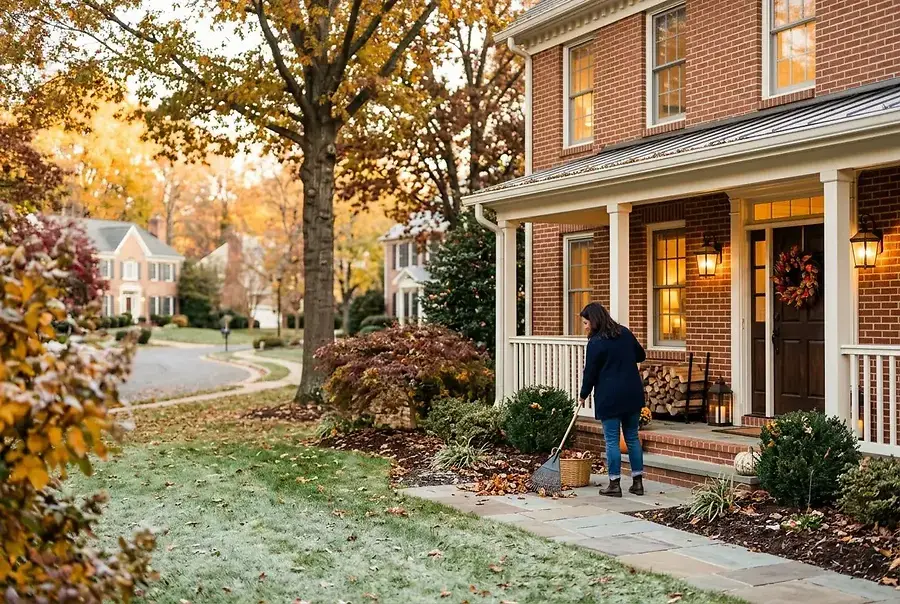
Getting Your Fairfax County Home Ready for Winter
As temperatures begin to drop across Northern Virginia, preparing your home for winter becomes an important part of responsible homeownership. Throughout Fairfax County, freezing temperatures, winter precipitation, and occasional ice storms can create seasonal challenges.
Proactive maintenance can help prevent unexpected repairs while keeping your home comfortable and energy efficient.
Winterizing your property is about more than staying warm. It is also an opportunity to protect your real estate investment, preserve your home's condition, and address small maintenance concerns before they become expensive problems.
1. Schedule a Heating System Inspection
Before consistently cold weather arrives, have your furnace or heat pump inspected by a qualified professional. Replace air filters, check thermostat settings, and make sure your heating system is operating efficiently.
Routine maintenance can improve performance, reduce unnecessary energy use, and help identify potential issues before you depend on your system throughout the winter. If your home has a fireplace, arrange for an inspection and chimney cleaning when appropriate. For homeowners considering future upgrades, replacing an aging heating system with a more energy-efficient model may improve comfort and appeal to environmentally conscious buyers.
Keep service records and documentation for major improvements, as these can be helpful when preparing to sell your property.
2. Protect Pipes From Freezing
Freezing temperatures can put exposed plumbing at risk, particularly in unfinished basements, garages, crawl spaces, and exterior walls.
Insulate vulnerable pipes, disconnect and drain outdoor hoses, and shut off exterior faucets using the appropriate indoor shutoff valve if your plumbing system has one. During extreme cold, maintain consistent indoor temperatures and open cabinet doors beneath sinks when necessary to allow warmer air to circulate around plumbing.
Knowing where your main water shutoff valve is located can also help minimize damage if a pipe freezes or bursts.
Water damage can be expensive to repair and may affect a property's condition and future marketability. Taking preventive measures before temperatures drop can help homeowners avoid unnecessary disruptions and protect their investment.
3. Inspect Your Roof, Gutters, and Drainage
Your roof and drainage systems play an important role in protecting your property during winter weather. Before the first major storm, look for missing or damaged shingles, deteriorating flashing, and signs of leaks.
Clean gutters and downspouts so rainwater can drain away from your home. Clogged gutters can contribute to water intrusion, while poor drainage around the foundation may increase the risk of moisture-related damage. Homeowners throughout Fairfax County should also check that downspouts direct water away from the foundation and that outdoor drains are clear of leaves and debris.
If your property has an older roof, consider having it professionally evaluated before winter weather arrives. Addressing minor concerns early can help prevent more extensive repairs and provide useful documentation for future buyers.
4. Seal Drafts and Improve Energy Efficiency
Small air leaks around windows, doors, and utility openings can make your home less comfortable and increase heating costs.
Inspect weatherstripping and caulking, seal appropriate gaps, and consider adding insulation where needed. Window coverings can also help reduce heat loss, particularly around older windows.
For homeowners considering energy-efficient upgrades, improvements such as better insulation, air sealing, and a programmable or smart thermostat may offer lasting benefits beyond the winter season.
Energy efficiency can also be a selling point in the real estate market. Buyers may appreciate a home with updated systems, documented improvements, and features that support comfortable living and manageable utility costs. Although these upgrades do not guarantee a higher sale price, they can strengthen your property's overall appeal.
5. Prepare Your Yard and Outdoor Spaces
Before freezing weather sets in, clear leaves and debris from walkways, patios, and exterior drains. Store outdoor furniture, protect vulnerable plants, and inspect trees for damaged or overhanging branches that could become hazardous during winter storms.
If you have a sprinkler system, arrange for proper winterization according to the manufacturer's recommendations. Keep snow-removal equipment accessible and stock appropriate ice-melting products before severe weather arrives. Pay attention to steps, driveways, and walkways, where ice can create slipping hazards for residents and visitors. Maintaining safe, accessible outdoor areas helps protect your household while preserving your property's appearance throughout the colder months.
For homeowners planning to list their properties during winter, keeping entrances clear, maintaining exterior lighting, and removing debris can also help create a welcoming first impression for prospective buyers.
6. Check Safety Devices and Emergency Supplies
Winter is an ideal time to test smoke detectors and carbon monoxide alarms, particularly in homes with fuel-burning appliances, fireplaces, or attached garages.
Keep flashlights, batteries, blankets, and other emergency supplies accessible in case severe weather causes a power outage. If you use a portable generator, operate it outdoors and well away from doors, windows, and vents, following the manufacturer's safety instructions.
Homeowners should also review their insurance policies to understand their coverage, deductibles, and any exclusions related to winter damage. Standard homeowners insurance policies may cover certain sudden and accidental incidents, such as a burst pipe, but coverage depends on the policy and circumstances. Damage resulting from neglect or a lack of reasonable care may be treated differently.
Understanding your coverage before an emergency occurs can help you make informed decisions and prepare for unexpected expenses.
7. Understand How Winter Maintenance Protects Real Estate Value
A well-maintained home can be easier to market and more appealing to prospective buyers. While seasonal maintenance does not guarantee a higher selling price, addressing visible issues and documenting routine upkeep can help demonstrate that a property has been cared for responsibly.
For Fairfax County homeowners considering selling in the coming months, winter can be a useful time to complete minor repairs, evaluate energy efficiency, organize maintenance records, and plan improvements before the spring real estate market.
Buyers can also benefit from understanding a property's winter readiness.
During showings, pay attention to signs of moisture, drafts, aging windows, roof concerns, and heating system performance. A professional home inspection can help identify issues that may not be immediately apparent.
Because Fairfax County includes a variety of property types, from condominiums and townhomes to detached single-family homes, maintenance responsibilities can differ. Homeowners should review their homeowners association requirements and governing documents to determine which exterior repairs and seasonal responsibilities fall to them and which are managed by the association.
For those preparing to sell, consulting a local real estate professional can help identify maintenance concerns that may affect buyer perception and determine which improvements deserve priority before listing.
A Proactive Approach to Winter Homeownership
Preparing your Fairfax County home for winter does not have to be overwhelming. By inspecting essential systems, protecting plumbing, improving energy efficiency, and addressing outdoor maintenance, you can reduce preventable risks and help preserve your property's condition.
The most effective approach is to start early, prioritize the areas most vulnerable to cold weather, and seek professional assistance when needed. These practical steps can help you enjoy a more comfortable winter while protecting the long-term value of your real estate investment.