Why Home Inspections Matter to Buyers
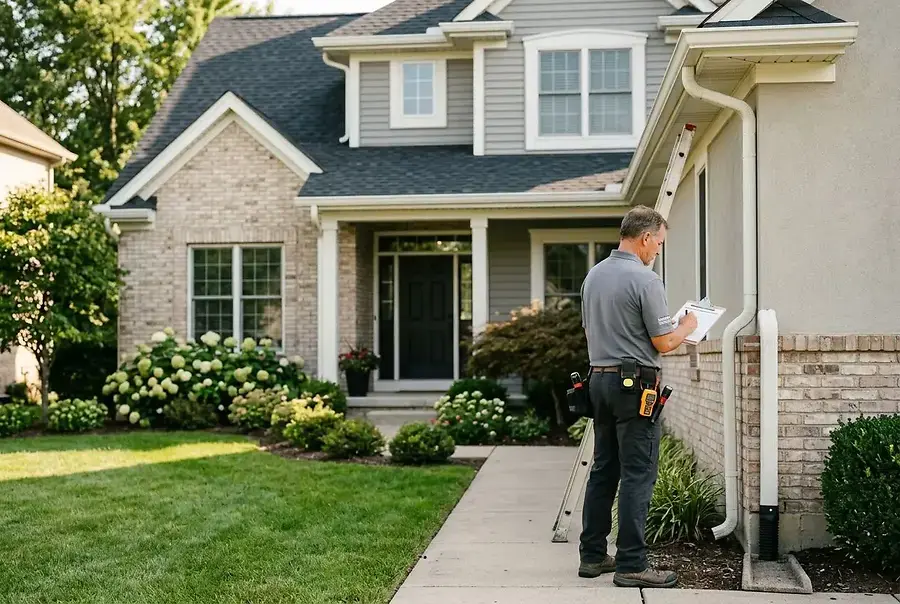
When potential buyers schedule a home inspection, they're making one of the most important decisions of their lives. A professional home inspector will examine every major system in your home—from the roof to the foundation—looking for issues that could affect safety, functionality, and long-term value. Understanding what inspectors look for is the first step to preparing your home effectively.
Buyers use inspection reports to negotiate prices, request repairs, or walk away entirely. By addressing problems proactively, you demonstrate that your home has been well-maintained and is worth the asking price. This builds trust and confidence with serious buyers who are ready to move forward.
Critical Areas to Address Before Inspection Day
Roof and Gutters
Your roof is one of the first things inspectors evaluate. Missing or damaged shingles, deteriorating flashing, and clogged gutters are red flags that can cost thousands to repair. Before inspection day:
- Clear gutters and downspouts of debris
- Inspect for missing or curled shingles and replace them
- Check flashing around chimneys and vents for gaps or rust
- Trim tree branches hanging over the roof
Foundation and Basement
Foundation issues are serious concerns for buyers. Walk through your basement or crawl space and look for:
- Cracks in concrete or foundation walls (small hairline cracks are normal, but larger ones need attention)
- Water stains or evidence of moisture problems
- Efflorescence (white mineral deposits on walls)
- Proper grading around the foundation to direct water away
Address water damage immediately, as it suggests structural or moisture control issues that buyers will heavily scrutinize.
Electrical Systems
Outdated or faulty electrical systems are safety hazards and inspection deal-breakers. Ensure:
- All outlets and switches work properly
- The electrical panel is up to code and properly labeled
- GFCI outlets are installed in bathrooms and kitchens
- There are no exposed wires or overloaded circuits
Plumbing
Plumbing problems are expensive to fix and often discovered during inspections. Test all fixtures and:
- Check for leaks under sinks and around toilets
- Ensure water pressure is adequate throughout the home
- Verify that drains flow properly
- Look for signs of water damage or mold near pipes
HVAC Systems
Heating and cooling systems are major investments for buyers. Have your HVAC system professionally inspected and serviced. Replace filters, clean ducts if needed, and ensure the system runs smoothly. Provide documentation of recent maintenance to show the system is well-cared-for.
Exterior Condition
First impressions matter. Inspectors evaluate:
- Siding condition (look for rot, cracks, or missing pieces)
- Windows and doors (check for broken seals, rot, or operational issues)
- Deck or porch safety and structural integrity
- Grading and drainage around the property
Cost-Effective Improvements That Increase Buyer Confidence
Deep Cleaning and Decluttering
You don't need expensive renovations to impress inspectors. A clean, well-organized home suggests responsible ownership. Deep clean every room, including often-overlooked areas like:
- Behind appliances
- Inside cabinets and closets
- Attic and basement spaces
- Exterior surfaces and walkways
Minor Repairs and Touch-Ups
Small fixes make a big difference in inspection results and buyer perception:
- Caulk gaps around windows and doors
- Paint over water stains on ceilings
- Replace broken light fixtures or outlet covers
- Fix squeaky doors and stuck windows
- Repair loose handrails and stair treads
Documentation and Maintenance Records
Provide receipts and records for recent repairs, replacements, and maintenance. This documentation proves your home has been properly cared for and can ease buyer concerns about major systems. Keep records organized and accessible for the inspector and potential buyers.
Pest and Mold Prevention
Address any signs of pests or mold immediately. These issues are deal-killers for many buyers. Seal cracks, eliminate moisture sources, and consider a professional pest inspection if you've had previous problems.
Landscaping and Curb Appeal
While not directly part of the inspection, excellent curb appeal sets a positive tone. Trim bushes, mow the lawn, plant fresh flowers, and ensure the entrance is inviting. Buyers who feel good about the exterior are more likely to overlook minor interior issues.
Turning Inspections Into Selling Advantages
Home inspections don't have to be stressful. By addressing critical issues and making cost-effective improvements, you transform the inspection from a potential obstacle into an opportunity to showcase your home's value. A well-prepared home demonstrates pride of ownership and gives buyers confidence in their investment.
Remember, the goal isn't perfection—it's showing that your home is safe, functional, and well-maintained. When inspectors find a home that's been cared for, and buyers see documentation of responsible ownership, you're in a strong position to negotiate confidently and close the sale on your terms.
Start preparing today, and you'll be ready to welcome inspectors with confidence.