Introduction: Why Pre-Listing Preparation Matters
Selling your home is one of the most significant financial decisions you'll make. The difference between a well-prepared home and one listed hastily can be substantial—often affecting your final sale price by thousands of dollars. First impressions matter enormously in real estate. Buyers form opinions within seconds of arriving at your property, and those initial impressions heavily influence their willingness to make an offer.
Pre-listing preparation isn't just about cosmetic touches; it's a strategic investment in your home's marketability. When you address critical issues before listing, you eliminate negotiation points that buyers might use to lower their offers. Additionally, a well-maintained home sells faster, reducing the time your property sits on the market and the carrying costs associated with an unsold listing.
Essential Repairs and Maintenance Tasks Buyers Expect
Structural and Safety Inspections
Before listing, conduct a thorough inspection of your home's structural integrity. Buyers will inevitably hire their own inspectors, so addressing issues proactively demonstrates transparency and builds confidence. Focus on:
- Roof condition and any signs of leaks or damage
- Foundation cracks or settling issues
- Electrical system safety and code compliance
- Plumbing functionality and water pressure
- HVAC system performance and maintenance records
Kitchen and Bathroom Updates
These two areas significantly influence buyer decisions. You don't need a complete renovation, but strategic updates yield excellent returns. Consider:
- Replacing outdated fixtures and hardware
- Regrouting tile and replacing cracked tiles
- Updating cabinet hardware or applying fresh paint
- Ensuring all appliances function properly
- Caulking gaps and sealing leaks around sinks and tubs
Paint and Wall Conditions
Fresh paint is one of the most cost-effective improvements you can make. Neutral colors like soft whites, beiges, and grays appeal to the broadest range of buyers. Repair any wall damage, fill holes, and ensure all surfaces are clean and well-maintained. Don't overlook baseboards, trim, and doors—these details contribute to the overall impression of care and maintenance.
Flooring Assessment
Evaluate your flooring in each room. While replacing all flooring may not be necessary, addressing obvious issues is essential:
- Repair or replace damaged hardwood or laminate
- Deep clean carpets or consider professional steam cleaning
- Replace stained or worn carpet in high-traffic areas
- Ensure tile grout is clean and sealed
Staging and Curb Appeal Strategies That Sell Homes Faster
Maximize Curb Appeal
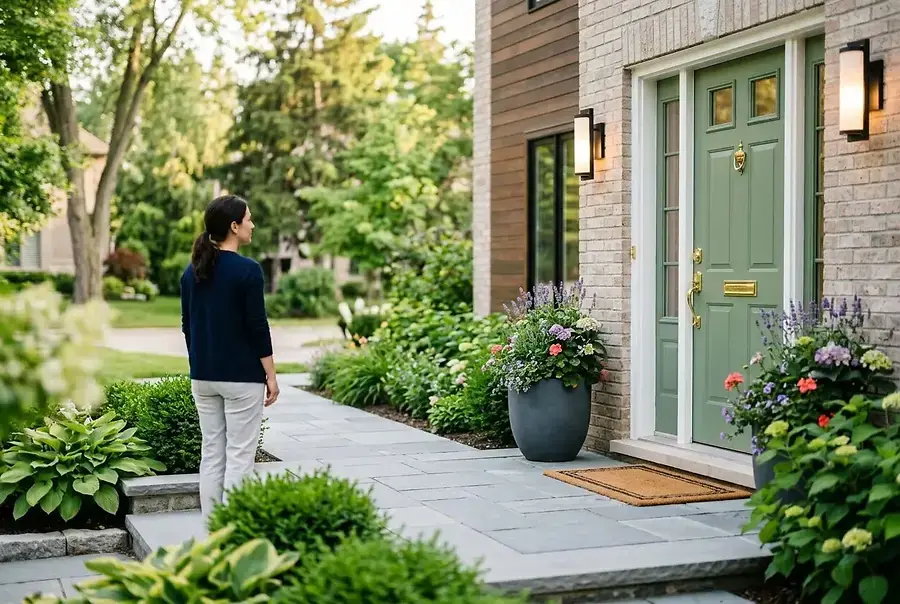
Your home's exterior is the first thing potential buyers see. Invest time and effort here to create an inviting entrance. Key improvements include:
- Pressure wash the driveway, walkway, and exterior walls
- Trim overgrown bushes and trees; remove dead landscaping
- Plant fresh flowers or colorful plants near the entrance
- Paint or stain the front door in an attractive color
- Update house numbers and ensure outdoor lighting works
- Clean windows and ensure screens are in good condition
Declutter and Depersonalize
Buyers need to envision themselves living in your home. Remove personal items, family photos, and excessive decorations. A neutral, clean space allows buyers to imagine their own belongings in the rooms. Additionally:
- Remove 30-50% of your belongings to make spaces appear larger
- Store seasonal items and excess furniture
- Organize closets to showcase storage capacity
- Clear kitchen countertops of appliances and clutter
Strategic Furniture Arrangement
Arrange furniture to highlight room size and flow. Create conversation areas that showcase how spaces can be used. Ensure pathways are clear and rooms don't feel cramped. In bedrooms, a neatly made bed with quality linens creates a welcoming atmosphere. In living areas, arrange seating to emphasize the room's functionality and comfort.
Lighting and Ambiance
Proper lighting makes homes feel warm and inviting. Replace dim bulbs with brighter options, open curtains to let in natural light, and ensure all light fixtures work properly. Consider adding soft lighting in living areas and bedrooms to create an appealing ambiance during evening showings.
Odor Control and Cleanliness
A clean home is non-negotiable. Deep clean every surface, including baseboards, light fixtures, and inside cabinets. Address any odors from pets, cooking, or moisture. Fresh scents—like fresh-baked cookies or subtle vanilla—can positively influence buyer perception, but avoid overwhelming artificial fragrances.
Highlight Key Features
Draw attention to your home's best features. If you have hardwood floors, ensure they're polished and visible. If there's a fireplace, stage it with decorative items. Large windows should be clean and unobstructed to showcase views.
Remember: buyers are looking for reasons to love your home, so make those reasons obvious.
Conclusion: Position Your Home for Maximum Market Success
Preparing your home for sale requires planning, investment, and attention to detail, but the payoff is substantial. By addressing essential repairs, maintaining your property to high standards, and strategically staging your home, you create an environment where buyers feel confident making competitive offers.
Start your preparation early, prioritizing repairs that address safety and functionality. Then focus on staging and curb appeal to create emotional connections with potential buyers. The goal is to present your home as well-maintained, move-in ready, and worth every penny of your asking price. With these essential steps in place, you'll be positioned for a successful sale that maximizes your return on investment.