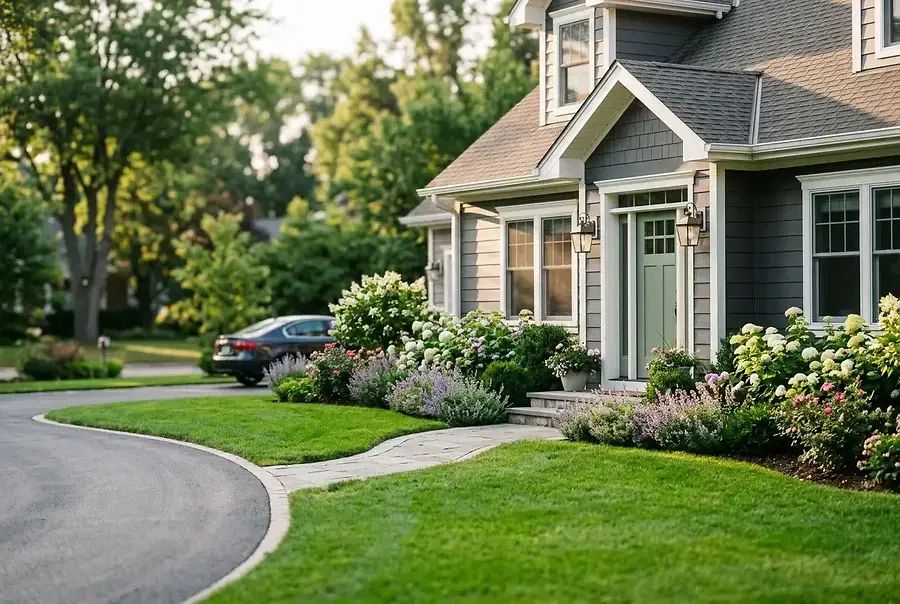
Why Pre-Sale Preparation Matters
Selling your home is one of the most significant financial decisions you'll make. In today's competitive real estate market, first impressions matter more than ever. Proper preparation can mean the difference between a quick sale at your asking price and a property that lingers on the market. Buyers are more discerning than ever, and they expect homes to be in excellent condition before making an offer.
When you invest time and resources into preparing your home, you're not just cleaning—you're creating an emotional connection with potential buyers. A well-maintained property signals that you've cared for it, which builds confidence in the buyer's mind about the home's true condition.
Essential Repairs and Maintenance Buyers Expect
Structural and Safety Issues
Before listing your home, address any structural concerns that could be deal-breakers. Buyers conduct thorough inspections, and major issues will inevitably surface. Focus on:
- Roof condition and any signs of leaks
- Foundation cracks or settling issues
- Electrical system safety and code compliance
- Plumbing functionality and water pressure
- HVAC system efficiency and maintenance records
Interior Maintenance Essentials
Buyers expect homes to be move-in ready or nearly so. Neglecting small repairs can create doubt about larger systems. Prioritize these interior improvements:
- Fix leaky faucets and running toilets
- Repair or replace damaged flooring
- Paint over scuffs and refresh dated wall colors
- Replace broken light fixtures and switches
- Seal gaps around windows and doors
- Clean or replace HVAC filters
Documentation and Warranties
Gather all maintenance records, warranties, and receipts for recent work. This documentation proves you've maintained the property responsibly and can significantly influence buyer confidence. Create a home maintenance file that includes:
- Roof inspection and repair records
- HVAC service history
- Plumbing and electrical work documentation
- Appliance warranties and manuals
- Pest control and termite inspection reports
Curb Appeal and Interior Presentation Best Practices
Exterior Excellence
Your home's exterior is the first thing buyers see. Invest in curb appeal to make an unforgettable first impression. Consider these improvements:
- Pressure wash the driveway, walkway, and siding
- Trim landscaping and remove dead plants
- Paint the front door and refresh house numbers
- Repair or replace damaged shutters and trim
- Power wash the roof to remove algae and moss
- Ensure the lawn is well-maintained and green
Interior Staging and Presentation
The way your home is presented can dramatically affect buyer perception. Strategic staging helps buyers envision themselves living in the space:
- Declutter every room and remove personal items
- Deep clean carpets and hard floors
- Neutralize paint colors in bold or unusual rooms
- Arrange furniture to highlight room size and flow
- Add fresh flowers or subtle scents
- Ensure all rooms are well-lit and bright
- Remove or minimize family photos and personal memorabilia
Kitchen and Bathroom Upgrades
These two rooms have the highest impact on buyer decisions. You don't need a complete renovation, but strategic updates pay dividends. Focus on:
- Updating cabinet hardware and lighting fixtures
- Replacing outdated faucets
- Refreshing grout and caulk
- Upgrading countertops if budget allows
- Ensuring all appliances are clean and functional
Creating Emotional Appeal
Beyond the physical improvements, create an atmosphere that appeals to buyers emotionally.
A home that smells fresh, feels clean, and appears well-loved will always outperform one that feels neglected or sterile.Consider playing soft background music during showings and ensuring the temperature is comfortable.
From Preparation to Closing Day
Preparing your home for sale is an investment in your financial future. The time and money you spend now can result in a significantly higher sale price and a faster closing. Remember that buyers are not just purchasing a structure—they're buying a lifestyle and a sense of security.
Start with a realistic assessment of your property's condition. Walk through each room as if you're seeing it for the first time, and make notes of what needs attention. Prioritize repairs that affect safety and functionality, then focus on cosmetic improvements that enhance appeal.
Work with your real estate agent to identify which improvements will provide the best return on investment. Not every upgrade is necessary, and some may not be cost-effective. A professional can guide you toward the most impactful preparations for your specific market and property type.
By taking these essential steps, you're positioning your home to attract serious, qualified buyers who are ready to make an offer. The effort you invest today will pay dividends when you reach closing day.