Why Winter Preparation Matters in Stanwood's Climate
Stanwood's winters can be unpredictable and challenging, bringing heavy rainfall, occasional snow, and freezing temperatures that test the integrity of your home. Proper winterization isn't just about comfort—it's about protecting one of your most significant investments. Homes that aren't adequately prepared for winter face increased risks of water damage, frozen pipes, heating system failures, and structural deterioration that can lead to expensive repairs.
By taking proactive steps now, you'll ensure your home remains safe, warm, and protected throughout the cold months ahead. This comprehensive guide covers the essential maintenance tasks every Stanwood homeowner should prioritize before winter arrives.
Exterior Maintenance: Roof, Gutters, and Foundation Protection
Roof Inspection and Repair
Your roof is your home's first line of defense against winter weather. Before the rainy season intensifies, schedule a professional roof inspection to identify any missing shingles, damaged flashing, or areas of concern. Address any issues immediately, as small problems can quickly escalate into major leaks when heavy winter rains arrive.
Key roof maintenance tasks include:
- Checking for missing, cracked, or curling shingles
- Inspecting flashing around chimneys, vents, and skylights
- Ensuring proper roof ventilation to prevent ice dams
- Trimming overhanging tree branches that could fall during storms
Gutter Cleaning and Maintenance
Clogged gutters are a common cause of water damage during winter. Clean your gutters thoroughly before the heavy rains begin, removing leaves, debris, and sediment that can block water flow. Consider installing gutter guards to reduce maintenance needs throughout the season.
Proper gutter maintenance prevents:
- Water backing up under roof shingles
- Foundation damage from improper drainage
- Ice dam formation along roof edges
- Basement flooding and water intrusion
Foundation and Exterior Sealing
Inspect your home's foundation for cracks, gaps, or areas where water could penetrate. Seal any openings with appropriate caulk or weatherstripping. Pay special attention to areas around windows, doors, and utility penetrations, as these are common entry points for water and cold air.
Additionally, ensure your home's grading slopes away from the foundation, directing water away from your home rather than toward it. This simple step can prevent significant water damage and foundation problems.
Interior Systems: Plumbing, Heating, and Insulation Upgrades
Plumbing Protection
Frozen pipes are a serious concern in Stanwood winters. Protect exposed pipes in unheated areas such as basements, crawl spaces, and attics by wrapping them with pipe insulation. Drain outdoor faucets and disconnect garden hoses to prevent water from freezing inside the pipes.
Additional plumbing winterization steps:
- Shut off water supply to outdoor faucets if your home has shut-off valves
- Insulate pipes in vulnerable areas with foam pipe sleeves
- Allow a slow drip from faucets during extremely cold nights to prevent freezing
- Locate your main water shut-off valve in case of emergency
Heating System Maintenance
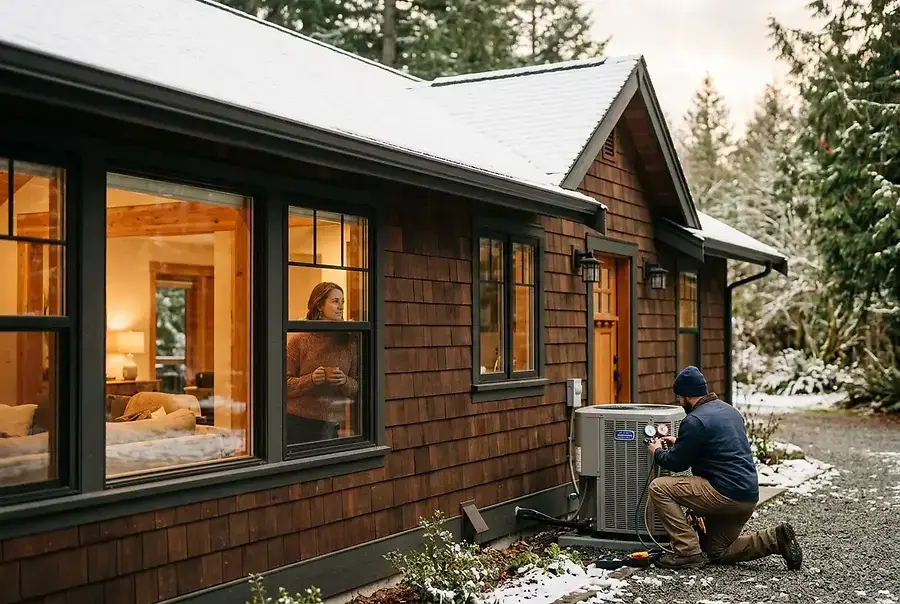
Your heating system will work overtime during winter, making proper maintenance essential. Schedule a professional HVAC inspection and tune-up before the heating season begins. A well-maintained system operates more efficiently, uses less energy, and is less likely to fail when you need it most.
Heating system maintenance includes:
- Replacing furnace filters regularly (every 1-3 months)
- Having a professional inspect and clean your heating system
- Testing your thermostat to ensure accurate temperature control
- Checking carbon monoxide detectors for proper function
Insulation and Air Sealing
Proper insulation keeps heat inside your home and reduces energy costs. Check attic insulation levels and add more if needed—most homes benefit from R-38 to R-60 insulation in the attic, depending on climate zone. Seal air leaks around electrical outlets, light fixtures, and other penetrations to prevent heat loss.
Weatherstripping around doors and windows is an inexpensive upgrade that provides significant benefits:
- Reduces drafts and cold spots
- Lowers heating costs by 10-15%
- Improves overall home comfort
- Prevents moisture infiltration
Year-Round Home Care as a Real Estate Investment
Winter preparation is just one aspect of responsible home ownership. Viewing your home as an investment means committing to regular maintenance throughout the year. Homes that are well-maintained retain their value better, require fewer emergency repairs, and provide greater comfort and safety for their occupants.
Consider creating a home maintenance calendar that includes:
- Spring: Inspect exterior, check for winter damage, service air conditioning
- Summer: Paint, seal, and repair exterior surfaces
- Fall: Prepare for winter with the tasks outlined in this guide
- Winter: Monitor systems and address any issues promptly
By investing time and resources in winterization now, you're protecting your home, ensuring your family's comfort, and maintaining your property's long-term value. Don't wait until problems arise—take action today to prepare your Stanwood home for whatever winter brings.