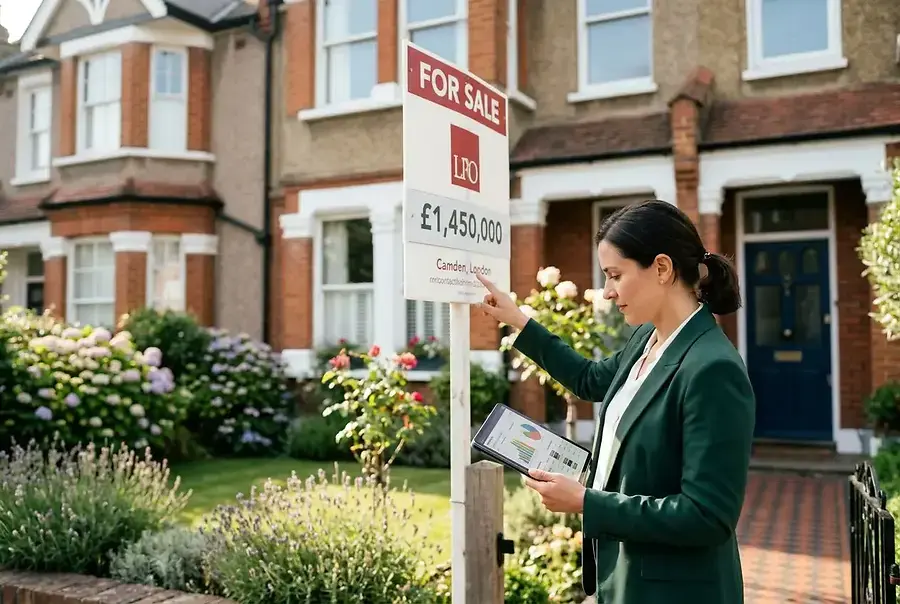
Understanding Camden's Current Real Estate Market
The Camden real estate market is experiencing dynamic shifts that directly impact how homeowners should approach pricing their properties. To successfully sell your home, you must first understand the current market conditions in your area. Camden's market reflects broader trends in buyer behavior, economic factors, and local development initiatives that influence property values.
The market is characterized by a healthy balance between supply and demand, with buyer interest remaining strong for well-positioned properties. Homes that are priced competitively tend to receive more showings and generate multiple offers. Understanding whether you're in a buyer's market, seller's market, or balanced market is crucial for determining your pricing strategy.
Key Market Indicators to Monitor
Several factors influence Camden's real estate landscape:
- Days on Market: How quickly homes are selling in your neighborhood
- Inventory Levels: The number of homes available for sale compared to buyer demand
- Price Trends: Whether home values are appreciating or depreciating in your area
- Buyer Demographics: The types of buyers actively purchasing in Camden
- Local Development: New infrastructure, schools, and amenities affecting property values
By monitoring these indicators, you'll gain valuable insights into how to position your home competitively in the marketplace.
Comparative Market Analysis: Finding Your Home's Competitive Price
A Comparative Market Analysis (CMA) is the foundation of effective pricing. This analysis involves examining recently sold homes in your neighborhood that are similar to yours in size, condition, age, and features. Rather than guessing at a price, a data-driven approach ensures you're competitive from day one.
Steps to Conduct Your Own CMA
1. Identify Comparable Properties: Look for homes that sold within the last three to six months in your immediate neighborhood. These "comps" should be similar in square footage, number of bedrooms and bathrooms, lot size, and overall condition.
2. Analyze Price Per Square Foot: Calculate the price per square foot for each comparable property by dividing the sale price by the total square footage. This metric helps you understand the baseline value in your area and identify any premium or discount your home might command.
3. Account for Differences: Your home may have features that justify a higher or lower price than the comps. Upgrades like updated kitchens, energy-efficient systems, or outdoor living spaces can increase value. Conversely, deferred maintenance or outdated features may warrant a discount.
4. Review Market Trends: Are prices in your neighborhood trending upward or downward? This information helps you determine whether to price at, above, or below the average of your comps.
The Value of Professional Appraisals
While a CMA provides a strong starting point, a professional appraisal offers an objective assessment of your home's value. Appraisers use their expertise and market knowledge to evaluate your property comprehensively. This investment can prevent overpricing, which leads to extended time on the market, or underpricing, which leaves money on the table.
Proven Pricing Strategies That Generate Strong Buyer Interest
Once you understand your market and have identified your home's competitive price range, it's time to implement strategies that attract serious buyers and generate momentum.
The Psychology of Strategic Pricing
Pricing psychology plays a significant role in buyer perception. A home priced at $449,900 feels substantially different to buyers than one priced at $450,000, even though the difference is minimal. This psychological pricing technique can make your listing more appealing and generate additional showings.
Consider these pricing strategies:
- Competitive Pricing: Price your home at or slightly below comparable properties to generate immediate interest and multiple offers
- Psychological Pricing: Use price points that end in 9 or 5 to create perceived value
- Premium Pricing: If your home has exceptional features or is in high demand, pricing at the top of the range may be justified
- Aggressive Pricing: Price below market to generate buzz and attract investors or quick buyers
Timing Your Price Adjustments
If your home doesn't receive the expected interest within the first two weeks, it may be time to reassess your pricing. The market quickly signals whether your price is competitive. Homes that sit on the market for extended periods develop a stigma that makes them harder to sell, even after a price reduction.
Monitor your listing's performance closely. If comparable homes are selling quickly while yours lingers, a price adjustment is likely necessary. Conversely, if you're receiving multiple offers, you may have underpriced your property.
Leverage Your Home's Unique Features
Beyond base pricing, highlight features that justify your asking price. Invest in professional photography, virtual tours, and detailed descriptions that showcase what makes your home special. A beautifully presented home commands premium pricing because buyers perceive greater value.
Consider staging your home to help buyers envision themselves living there. A well-staged home often sells faster and for more money than an unstaged property, making the investment worthwhile.
Flexibility in Negotiations
Your initial price is just the starting point for negotiations. Build in a small buffer—typically 3-5% above your absolute minimum acceptable price—to allow room for negotiation while still achieving your financial goals. This flexibility demonstrates confidence in your pricing and makes buyers feel they're getting a fair deal.
Conclusion: Setting the Right Price for a Successful Sale
Pricing your Camden home correctly is both an art and a science. By understanding your local market, conducting a thorough comparative market analysis, and implementing proven pricing strategies, you position yourself for a successful sale.
Remember these key takeaways:
- Research your market thoroughly before listing
- Use comparable sales data to inform your pricing decision
- Consider professional appraisals for objective valuations
- Implement psychological pricing techniques to attract buyers
- Monitor your listing's performance and adjust quickly if needed
- Highlight unique features that justify your asking price
- Remain flexible during negotiations
The right price attracts serious buyers, generates multiple offers, and maximizes your return on investment. Take time to get it right from the start, and you'll be well on your way to a successful sale in the Camden real estate market.