Why Home Staging Matters in Residential Sales
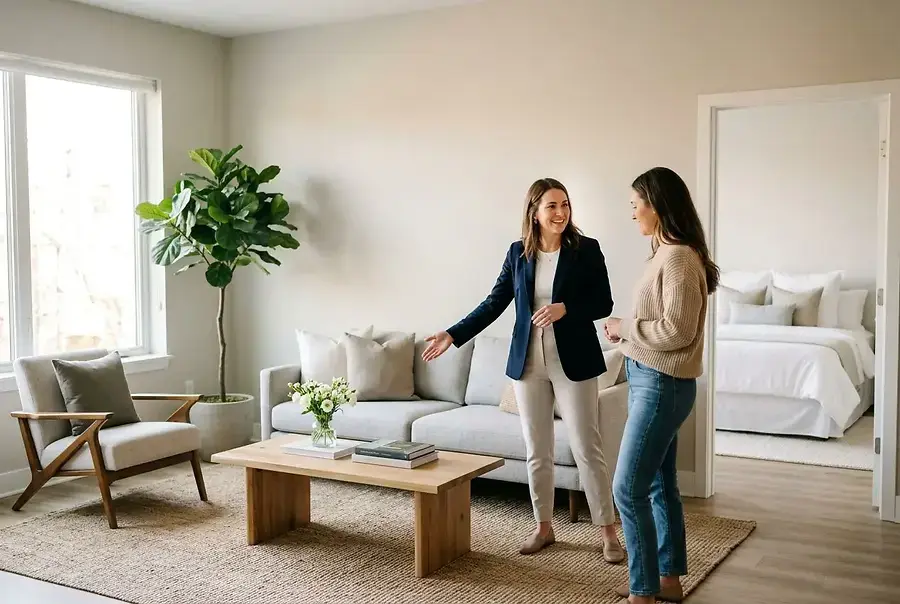
Home staging has become an essential component of successful real estate transactions. When potential buyers walk through a property, they're not just evaluating the structure and systems—they're envisioning their future in that space. Professional staging transforms a house into a home that buyers can emotionally connect with, significantly increasing the likelihood of a faster sale at a premium price.
The statistics speak for themselves. Staged homes typically spend less time on the market and command higher selling prices compared to unstaged properties. In today's competitive real estate landscape, where buyers have numerous options, staging provides the competitive edge that separates your property from the rest.
The goal of staging isn't to deceive buyers—it's to help them see the true potential of your home. By strategically arranging furniture, decluttering spaces, and optimizing lighting, you're essentially giving buyers a clear vision of how they can live in and enjoy the property.
Key Staging Strategies: Decluttering, Neutralizing, and Lighting
The Power of Decluttering
The first step in any staging process is removing excess items that distract from the home's best features. Clutter creates visual noise and makes spaces feel smaller than they actually are. This includes personal items, excessive furniture, and decorative pieces that don't serve a purpose.
- Remove 30-50% of personal belongings from visible areas
- Clear kitchen countertops to show off counter space
- Minimize bedroom furniture to make rooms feel larger
- Organize closets and storage areas for open house viewings
- Eliminate family photos and personal memorabilia
A decluttered home allows buyers to focus on architectural details, natural light, and the flow of the space rather than being distracted by your personal items.
Neutralizing Your Space
While your bold accent wall or vibrant color scheme might reflect your personality, neutral colors appeal to a broader audience of potential buyers. Neutralization doesn't mean everything must be beige—it means creating a cohesive, calming environment that allows buyers to imagine their own style in the space.
- Paint walls in soft, neutral tones like white, cream, or light gray
- Replace bold artwork with subtle, universally appealing pieces
- Choose neutral furniture in classic styles
- Remove or tone down area rugs with bold patterns
- Keep window treatments simple and elegant
Neutrality creates a blank canvas that helps buyers mentally place their own furniture and envision their lifestyle in the home.
Optimizing Lighting
Lighting is one of the most underestimated yet powerful staging tools available. Proper lighting can make spaces feel larger, warmer, and more inviting. Natural light is ideal, but strategic artificial lighting is equally important.
- Open all curtains and blinds to maximize natural light
- Clean windows thoroughly to allow light to flow freely
- Add table lamps and floor lamps to create warm ambiance
- Replace dim bulbs with brighter, energy-efficient LED options
- Ensure all light fixtures are clean and functional
- Use accent lighting to highlight architectural features
Well-lit homes feel more welcoming and spacious, creating an immediate positive impression as buyers enter.
Room-by-Room Staging Tips: Creating Emotional Connections for Buyers
The Living Room: Your Home's Heart
The living room sets the tone for the entire home. Arrange furniture to create conversation areas and showcase the room's natural flow. Use a neutral color palette with pops of color through accessories that can easily be removed. Add fresh flowers or plants to bring life to the space without overwhelming it.
The Kitchen: A Buyer's Priority
Kitchens are deal-makers or deal-breakers. Clear countertops completely, leaving only a few essential items like a fruit bowl or coffee maker. Ensure appliances are spotless and gleaming. Open shelving should display only attractive, coordinating dishware. A fresh coat of paint on cabinets can work wonders if they appear dated.
Bedrooms: Creating Sanctuary Spaces
Master bedrooms should feel like luxurious retreats. Use high-quality, neutral bedding and minimal furniture to maximize floor space. Remove personal photos and intimate items. A well-made bed with quality linens and tasteful pillows creates an inviting focal point. Keep closets organized and visible to showcase storage potential.
Bathrooms: Cleanliness is Paramount
Bathrooms must be immaculate. Remove personal toiletries, towel racks with multiple towels, and excess bathroom items. Display only one or two rolled, neutral-colored towels. Add a small plant or fresh flowers for a spa-like feel. Ensure grout is clean and caulking is fresh.
Outdoor Spaces: Extending the Living Area
Don't neglect exterior spaces. A well-maintained yard and inviting patio create an emotional connection to outdoor living. Pressure wash patios, trim landscaping, add potted plants, and arrange outdoor furniture to showcase how the space can be enjoyed.
Measuring Success: How Staging Impacts Your Final Sale Price and Timeline
The true measure of successful staging is reflected in two key metrics: the time your home spends on the market and the final sale price achieved.
Staged homes typically sell 25-30% faster and command 5-10% higher prices than unstaged properties in comparable markets.
To track your staging success, work closely with your real estate agent to monitor:
- Days on Market (DOM): How quickly your home sells compared to similar properties in your area
- Offer Quality: Whether you receive multiple offers and at what price points
- Buyer Feedback: Comments from showings that indicate what's resonating with potential buyers
- Final Sale Price: Whether you achieved your target price or above asking
Professional staging is an investment that typically returns 5-10 times its cost through increased sale price and reduced time on market. When you consider the carrying costs of an unsold home—mortgage, utilities, property taxes—staging becomes not just a luxury but a smart financial decision.
The bottom line: Staging your home professionally demonstrates that you've invested in maintaining and presenting your property well. It signals to buyers that this is a home worth their investment, ultimately leading to faster sales and higher prices in today's competitive real estate market.