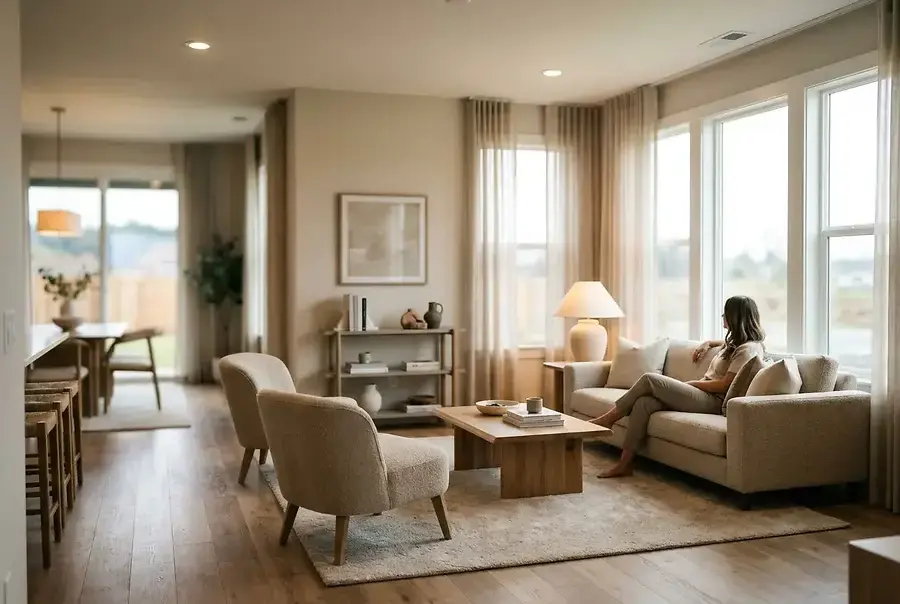
Introduction: Why Home Staging Matters in Today's Competitive Real Estate Market
In today's fast-paced real estate market, first impressions are everything. When potential buyers walk through your door, they have mere minutes to decide whether your home is worth their time and money. This is where professional home staging becomes a game-changer. Home staging is the art of preparing your property to appeal to the widest range of buyers, helping them envision themselves living in your space.
Statistics show that staged homes sell faster and for higher prices compared to unstaged properties. Buyers are willing to pay a premium for homes that are move-in ready and emotionally appealing. By investing in staging techniques, you're not just preparing your home for sale—you're investing in your bottom line.
Decluttering and Depersonalizing: Creating a Blank Canvas for Buyers
The Power of a Clean, Minimal Space
The first step in staging your home is decluttering. This means removing excess items, personal belongings, and anything that doesn't serve a purpose in showcasing your home. Buyers need to see the potential of your space, not navigate around your life.
Start by:
- Removing 30-50% of items from each room
- Clearing kitchen countertops of appliances and personal items
- Organizing closets and storage spaces to appear spacious
- Removing family photos and personal memorabilia from walls and shelves
- Donating or storing seasonal items and excess furniture
Depersonalization: Making Your Home a Blank Canvas
While decluttering removes items, depersonalization removes the emotional connection buyers might have to your personal style. This doesn't mean making your home cold and sterile—it means creating a neutral environment where buyers can imagine their own lives.
Key depersonalization strategies include:
- Neutral wall colors: Paint bold or dark walls in soft, neutral tones like beige, gray, or soft white
- Remove personal artwork: Replace family photos and personal art with generic, tasteful pieces
- Minimize collections: Store away hobby collections, sports memorabilia, and personal displays
- Neutral décor: Choose simple, elegant accessories that appeal to a broad audience
- Hide religious or political items: Store away items that reflect strong personal beliefs
Remember: The goal is to create a blank canvas where buyers can project their own dreams and lifestyle onto your home.
Strategic Furniture Arrangement and Lighting: Maximizing Space and Appeal
Furniture Placement for Maximum Impact
How you arrange furniture dramatically affects how buyers perceive your home's size and functionality. Strategic furniture placement can make rooms feel larger, more inviting, and better organized.
Professional staging tips for furniture arrangement:
- Create conversation areas: Arrange seating to encourage interaction and make spaces feel warm and welcoming
- Float furniture: Pull furniture away from walls to create defined spaces and make rooms feel larger
- Remove excess furniture: Use only essential pieces; too much furniture makes rooms feel cramped
- Define traffic flow: Ensure clear pathways through each room so buyers can move freely
- Highlight focal points: Arrange furniture to draw attention to fireplaces, windows, or architectural features
Lighting: The Secret Weapon of Professional Staging
Lighting is one of the most underestimated staging elements, yet it has a profound impact on how buyers perceive your home. Poor lighting can make even beautiful spaces feel dark and uninviting, while strategic lighting can transform a room.
Lighting strategies to implement:
- Maximize natural light: Open all curtains and blinds during showings to flood rooms with natural light
- Layer your lighting: Use a combination of overhead lights, task lighting, and accent lighting
- Replace outdated fixtures: Update old light fixtures with modern, attractive alternatives
- Add table and floor lamps: Create warm, inviting ambiance in living areas and bedrooms
- Use warm bulbs: Choose warm white bulbs (2700K) to create a cozy, welcoming atmosphere
- Highlight architectural features: Use accent lighting to showcase crown molding, built-ins, or artwork
Creating Emotional Connections Through Ambiance
Beyond just making spaces visible, lighting and furniture arrangement work together to create emotional connections. A well-lit, thoughtfully arranged living room invites buyers to imagine hosting dinner parties. A bright, organized kitchen makes them envision preparing family meals.
This emotional engagement is crucial—buyers don't just purchase homes based on square footage and features; they purchase based on how a home makes them feel.
Conclusion: The ROI of Professional Staging Before Listing Your Home
Professional home staging is not an expense—it's an investment in your home's selling potential. The cost of staging is typically recovered many times over through faster sales and higher selling prices.
Key takeaways:
- Decluttering and depersonalizing create a neutral canvas for buyers
- Strategic furniture arrangement maximizes perceived space and flow
- Professional lighting transforms the entire buyer experience
- Staged homes sell faster and command higher prices
- The emotional connection buyers feel to your home drives purchasing decisions
Whether you're selling in a competitive market or simply want to maximize your home's appeal, implementing these professional staging techniques will help you achieve your real estate goals. Start with decluttering, move to strategic arrangement, and don't underestimate the power of lighting. Your future buyers will thank you—and your profit margin will reflect it.