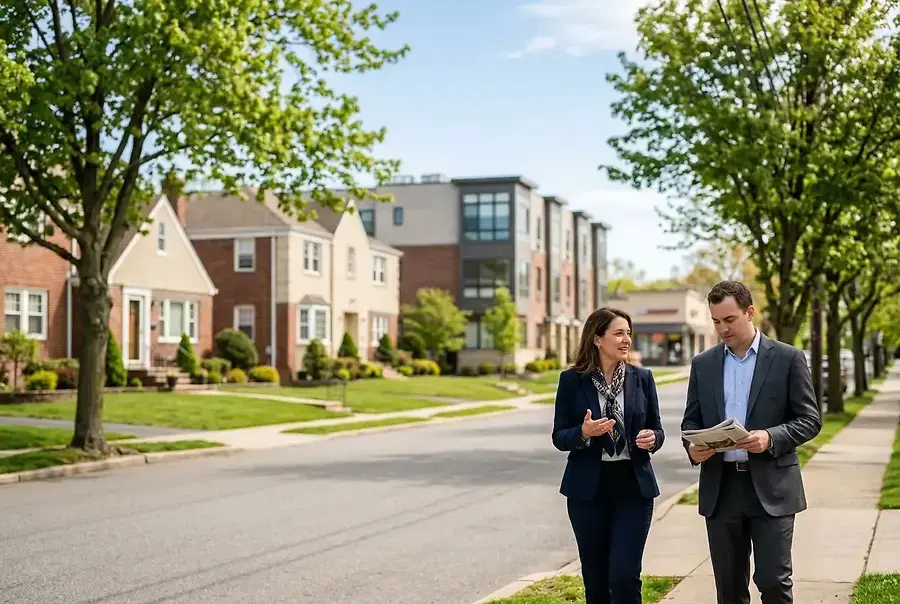
Understanding Westchester and Bronx Real Estate Market Dynamics
The Westchester and Bronx real estate markets represent some of the most dynamic and opportunity-rich investment landscapes in the New York metropolitan area. These regions have experienced significant growth and transformation, making them attractive destinations for both seasoned investors and those just beginning their real estate journey.
The Westchester market is characterized by its diverse communities, excellent schools, and proximity to Manhattan, which continues to drive demand for residential properties. The Bronx, meanwhile, has emerged as an increasingly popular investment destination with rising property values and revitalization efforts across multiple neighborhoods. Understanding these market dynamics is essential for making informed investment decisions.
Key Market Factors to Consider
Population Growth and Demographics: Both regions are experiencing steady population growth, with younger professionals and families seeking affordable alternatives to Manhattan while maintaining convenient access to the city. This demographic shift creates sustained demand for various property types.
Transportation Infrastructure: The Metro-North Railroad and subway systems provide excellent connectivity, making these areas increasingly desirable for commuters. Properties near transit hubs command premium prices and offer strong rental potential.
Economic Development: Ongoing commercial development, business relocations, and infrastructure improvements are strengthening the economic foundations of both markets. This creates opportunities for commercial real estate investors.
Residential Investment Opportunities: Single-Family Homes and Multi-Unit Properties
Single-Family Home Investments
Single-family homes remain a cornerstone of residential real estate investment in Westchester and the Bronx. These properties offer several advantages for investors:
- Stable Rental Income: Single-family homes attract long-term tenants, providing consistent cash flow and lower vacancy rates compared to other property types.
- Appreciation Potential: Historical data shows strong property appreciation in desirable neighborhoods, building equity over time.
- Lower Management Complexity: Managing a single-family home typically requires less effort than multi-unit properties, making it ideal for first-time investors.
- Financing Accessibility: Traditional lenders are more comfortable financing single-family homes, often offering favorable terms and lower interest rates.
When evaluating single-family homes, focus on properties in neighborhoods with strong school districts, low crime rates, and proximity to amenities. These factors directly impact rental demand and property values.
Multi-Unit Properties and Apartment Buildings
Multi-unit properties present compelling opportunities for investors seeking higher income potential and portfolio diversification. These investments offer distinct advantages:
- Enhanced Cash Flow: Multiple rental units generate higher total income from a single property, improving overall returns on investment.
- Risk Mitigation: If one unit becomes vacant, other units continue generating income, reducing financial vulnerability.
- Economies of Scale: Maintenance, property management, and operational costs are distributed across multiple units, improving efficiency.
- Value-Add Opportunities: Investors can increase property values through renovations, unit upgrades, and improved management practices.
Two-to-four unit properties offer an excellent entry point into multi-unit investing, combining the benefits of residential real estate with the income advantages of larger complexes. The Bronx particularly offers attractive pricing for these property types, making it an ideal market for this investment strategy.
Commercial Real Estate Potential: Retail, Office, and Mixed-Use Properties
Retail Properties
Retail spaces in Westchester and the Bronx continue to attract investors seeking commercial real estate opportunities. Key considerations include:
Location is paramount: Ground-floor retail spaces in high-traffic areas near residential neighborhoods or transit hubs command premium rents. Look for properties in established commercial corridors with strong foot traffic.
Tenant Quality: Prioritize properties leased to established, creditworthy tenants with proven business models. National and regional chains offer more stability than independent retailers.
Office Spaces
The commercial office market has evolved significantly, creating both challenges and opportunities for investors. Modern office spaces that accommodate flexible work arrangements and feature updated amenities remain in demand. Consider properties that can serve diverse business needs, from small professional offices to shared workspace environments.
Mixed-Use Properties
Mixed-use developments combining residential, retail, and office spaces represent some of the most exciting opportunities in these markets. These properties offer:
- Diversified income streams from multiple property types
- Reduced vacancy risk through varied tenant bases
- Strong appreciation potential in revitalized neighborhoods
- Appeal to modern consumers and businesses seeking integrated communities
"Mixed-use properties align with current market trends and consumer preferences, making them increasingly valuable investments in the Westchester and Bronx markets."
Action Steps for Getting Started with Your Investment Portfolio
Step 1: Educate Yourself
Before investing, thoroughly understand local real estate laws, financing options, and market conditions. Attend real estate seminars, read industry publications, and connect with experienced investors in the region. Knowledge is your most valuable asset.
Step 2: Assess Your Financial Position
Evaluate your financial situation honestly. Determine how much capital you can invest, what financing you can qualify for, and what cash reserves you need to maintain. A strong financial foundation prevents forced sales during market downturns.
Step 3: Identify Your Investment Strategy
Decide whether you'll focus on:
- Buy-and-hold investments for long-term appreciation and rental income
- Fix-and-flip properties for shorter-term profits
- Value-add investments requiring renovations and repositioning
- A diversified portfolio combining multiple strategies
Step 4: Build Your Team
Successful real estate investing requires a strong support network. Assemble a team including:
- Real Estate Agent: An experienced local agent who understands Westchester and Bronx markets
- Mortgage Broker: A professional who can secure favorable financing terms
- Property Manager: Someone to handle tenant relations and maintenance
- Accountant: A tax professional familiar with real estate investments
- Attorney: Legal counsel for contracts and compliance matters
Step 5: Start Small and Scale
Your first investment doesn't need to be your largest. Starting with a single-family home or small multi-unit property allows you to gain experience, build confidence, and establish a track record. As you succeed, expand your portfolio strategically.
Step 6: Monitor and Adapt
Real estate markets evolve constantly. Stay informed about neighborhood changes, economic trends, and policy shifts. Be prepared to adapt your strategy as market conditions change, and continuously look for opportunities to improve your existing properties and portfolio performance.
The Westchester and Bronx real estate markets offer tremendous opportunities for investors willing to do their homework and take strategic action. By understanding market dynamics, identifying the right properties, and building a strong support team, you can create a profitable real estate portfolio that generates wealth for years to come.