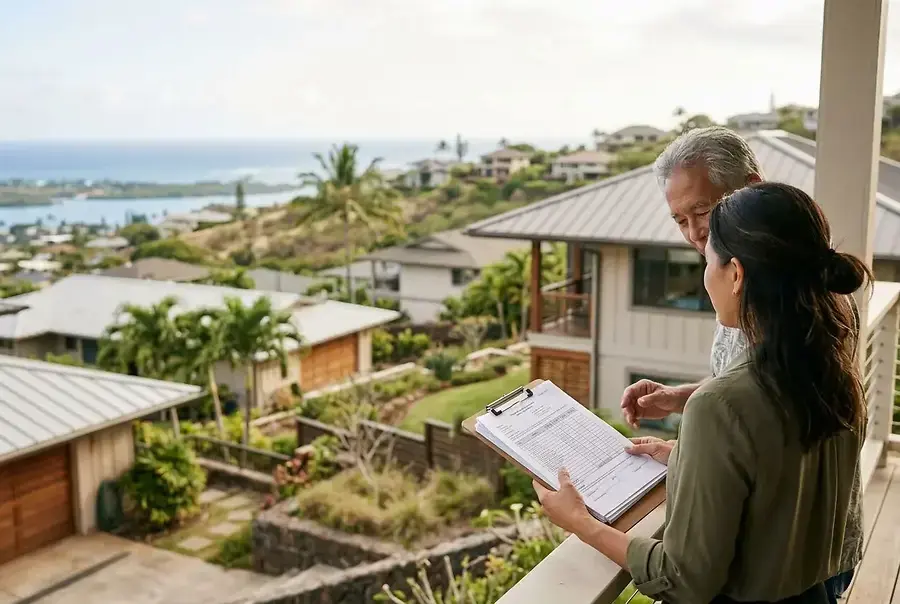
Demystifying Hawaii Property Tax Assessments
Property taxes can be confusing for homeowners, especially in Hawaii where the system has unique characteristics. Whether you own a home in Aiea or Honolulu, understanding how your property tax assessment works is essential for managing your finances and making informed decisions about your real estate investment. Unlike some states with high property tax rates, Hawaii offers relatively moderate taxation, but knowing the details can help you identify opportunities to reduce your tax burden.
The property tax system in Hawaii is administered at the county level, which means assessments and rates can vary depending on your location. For homeowners in Aiea and Honolulu, both located in Honolulu County, the assessment process follows the same general guidelines. This article will guide you through the fundamentals of property tax assessments and help you understand what affects your annual bill.
How Property Values Are Assessed and Calculated in Aiea and Honolulu
The Assessment Process
The Honolulu County assessor's office is responsible for determining the assessed value of your property. This value is not the same as your home's market value or the price you paid for it. Instead, the assessed value is a percentage of the property's fair market value, which is used to calculate your property tax bill.
The assessment process involves several key steps:
- Property Inspection: Assessors may conduct physical inspections of your property to verify its characteristics, including square footage, condition, and improvements.
- Market Analysis: The assessor's office analyzes recent sales of comparable properties in your area to determine fair market values.
- Assessment Calculation: The assessed value is calculated by applying the assessment ratio to the fair market value. In Hawaii, this ratio is typically 100% for residential properties.
- Notice of Assessment: You receive a notice showing your property's assessed value, which forms the basis for your tax calculation.
Factors That Influence Your Assessment
Several factors can affect how your property is assessed in Aiea and Honolulu:
- Location: Properties in desirable neighborhoods or with ocean views typically have higher assessed values.
- Property Size: The total square footage of your home and the size of your lot directly impact the assessment.
- Age and Condition: Newer homes or recently renovated properties may have higher assessments than older homes in poor condition.
- Improvements: Additions, upgrades, and new structures on your property increase its assessed value.
- Market Trends: Rising property values in your area can lead to higher assessments during reassessment cycles.
Tax Rate Calculation
Once your property's assessed value is determined, the county applies a tax rate to calculate your annual property tax bill. The tax rate varies depending on the classification of your property. Residential properties in Honolulu County typically have different rates than commercial or agricultural properties. Your final tax bill is calculated by multiplying your assessed value by the applicable tax rate.
Tax Breaks and Exemptions Available to Hawaii Homeowners
Homeowner Exemption
One of the most valuable benefits available to Hawaii homeowners is the homeowner exemption. This exemption reduces the assessed value of your primary residence, which directly lowers your property tax bill. To qualify, you must own and occupy the property as your primary residence. The exemption amount can vary, so it's important to check with your county assessor's office for current details.
Senior Citizen and Disability Exemptions
Hawaii offers additional tax relief for seniors and individuals with disabilities. If you're 65 years or older or have a qualifying disability, you may be eligible for an increased exemption amount. These programs are designed to help reduce the tax burden for vulnerable populations and allow them to remain in their homes longer.
Agricultural and Conservation Exemptions
If your property in Aiea or Honolulu includes agricultural land or qualifies for conservation purposes, you may be eligible for special exemptions. These programs encourage property owners to maintain agricultural operations or preserve natural areas by offering reduced assessments.
Homeowner Association Properties
Condominium owners should note that property taxes are typically assessed on the individual unit rather than the entire building. This can result in lower tax bills compared to single-family homes of similar value. Additionally, some homeowner associations may have special assessment programs that affect your overall tax liability.
How to Apply for Exemptions
To take advantage of available exemptions, you must submit an application to the Honolulu County assessor's office. Most exemptions require documentation proving your eligibility, such as proof of residency, age verification, or disability certification. The application process is straightforward, and the assessor's office staff can assist you with questions.
Making Informed Decisions About Your Property Investment
Understanding your property tax assessment empowers you to make better financial decisions about your home. Here are some key takeaways:
- Review your assessment notice carefully and compare it to similar properties in your area.
- If you believe your assessment is too high, you have the right to appeal the assessment.
- Ensure you're taking advantage of all exemptions and tax breaks you qualify for.
- Plan for property taxes as part of your overall homeownership budget.
- Stay informed about changes in tax rates and assessment policies in Honolulu County.
Property ownership in Hawaii is a significant investment, and managing your tax obligations effectively is part of responsible homeownership. By understanding how assessments work and exploring available exemptions, homeowners in Aiea and Honolulu can optimize their tax situations and make more informed decisions about their properties. Don't hesitate to reach out to the county assessor's office with questions—they're there to help you navigate the system.