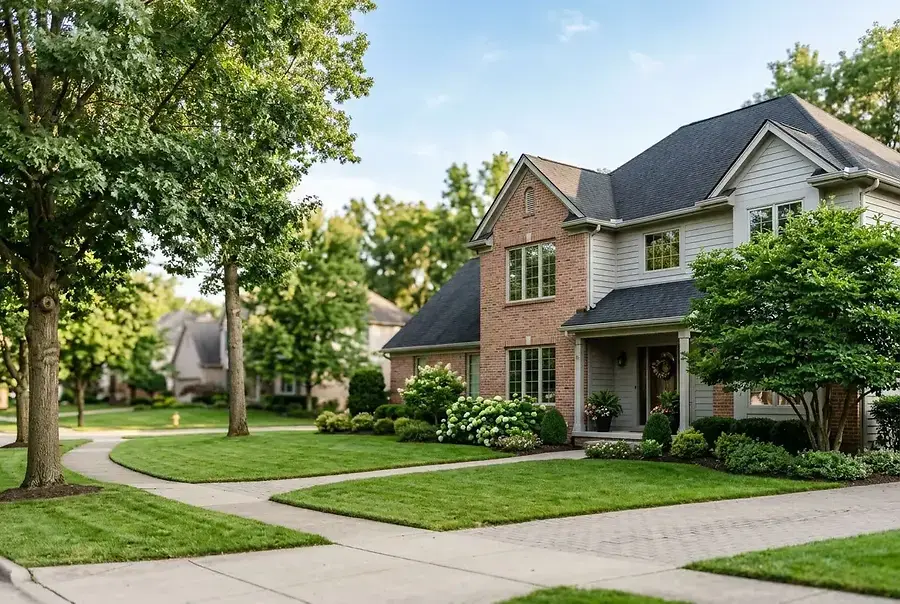
Why Property Taxes Matter for Residential Buyers
Property taxes represent one of the largest ongoing expenses for homeowners, yet many buyers don't fully understand how they're calculated or what options exist to minimize them. In Northeast Ohio, property tax considerations should be a critical part of your home purchase decision and long-term financial planning. Whether you're a first-time buyer or an experienced homeowner, understanding the nuances of property taxation across Cuyahoga, Medina, Lorain, Summit, and Portage counties can save you thousands of dollars over the life of your mortgage.
Property taxes fund essential services in your community, including schools, emergency services, and infrastructure maintenance. However, the way these taxes are assessed varies significantly by county, making it crucial to understand the specific rules that apply to your property.
Property Tax Rates and Assessment Methods by County
Cuyahoga County
As Ohio's second-largest county, Cuyahoga County uses a market-value assessment approach. Properties are reassessed every six years, with the county auditor determining fair market value based on recent sales data and property characteristics.
- Assessment Frequency: Triennial updates with full revaluations every six years
- Tax Rate Range: Typically between 1.0% and 1.5% of assessed value
- Homestead Exemption: Available for primary residences, reducing assessed value by up to 25%
Medina County
Medina County employs a similar market-value system but with its own assessment schedule. The county is known for relatively stable property values and competitive tax rates compared to neighboring counties.
- Assessment Frequency: Biennial assessments with updates every two years
- Tax Rate Range: Generally 0.9% to 1.3% of assessed value
- Agricultural Exemptions: Special considerations for properties with agricultural use
Lorain County
Lorain County maintains a market-value assessment system with particular attention to industrial and commercial properties. Residential properties benefit from consistent assessment practices.
- Assessment Frequency: Triennial updates with full revaluations
- Tax Rate Range: Approximately 1.1% to 1.4% of assessed value
- Veteran Exemptions: Disabled veterans may qualify for additional exemptions
Summit County
Summit County, home to Akron and surrounding communities, uses a comprehensive market-value assessment approach. The county auditor's office is known for transparency and detailed property records.
- Assessment Frequency: Triennial updates with annual adjustments
- Tax Rate Range: Typically 1.0% to 1.5% of assessed value
- Senior Exemptions: Homeowners age 65 and older may qualify for exemptions
Portage County
Portage County, which includes Kent and surrounding areas, maintains market-value assessments with consideration for the region's diverse property types, from rural estates to suburban homes.
- Assessment Frequency: Triennial updates with periodic adjustments
- Tax Rate Range: Generally 0.95% to 1.35% of assessed value
- Homestead Exemptions: Primary residence exemptions available to qualifying homeowners
Strategies to Reduce Your Property Tax Burden
File for Homestead Exemption
One of the most effective ways to reduce property taxes is to file for a homestead exemption if you occupy the property as your primary residence. This exemption can reduce your assessed value by 10-25%, depending on the county and your specific circumstances.
Action Steps:
- Contact your county auditor's office to request a homestead exemption application
- Provide proof of primary residence (utility bills, driver's license)
- Submit the application before the deadline, typically in early spring
Challenge Your Assessment
If you believe your property has been overvalued, you have the right to challenge the assessment. Many homeowners successfully reduce their tax burden through this process.
- Request a copy of your property's assessment from the county auditor
- Compare your assessment to similar properties in your area
- File a formal appeal if you find significant discrepancies
- Gather documentation such as recent appraisals or comparable sales data
Explore Tax Abatement Programs
Many Northeast Ohio communities offer tax abatement programs to encourage home improvement and investment. These programs can provide temporary tax relief for qualifying renovations or new construction.
"Tax abatement programs can provide 5-10 years of tax relief for qualifying property improvements, making home upgrades more affordable."
Consider Property Improvements Strategically
While home improvements increase property value, they may also increase your assessed value. Plan major renovations carefully and understand how they might affect your taxes. Some improvements may qualify for exemptions or abatements.
Stay Informed About Rate Changes
Property tax rates can change due to school levies, municipal bonds, and other factors. Stay informed about upcoming tax issues in your community and understand how they might affect your property taxes.
- Attend local government meetings and school board sessions
- Review county auditor communications and notices
- Subscribe to community newsletters for tax-related updates
Making Informed Decisions About Your Home Investment
Property taxes are a significant factor in your overall homeownership costs and should be carefully considered when making purchase decisions. By understanding how your specific county assesses property taxes and taking advantage of available exemptions and programs, you can maximize your home investment and reduce your long-term financial burden.
Whether you're buying in Cuyahoga, Medina, Lorain, Summit, or Portage County, take time to research the specific tax implications for your property. Contact your county auditor's office for detailed information about assessment methods, exemptions, and appeal processes. With proper planning and knowledge, you can make informed decisions that protect your investment and keep your property taxes manageable for years to come.
Remember: Property tax laws and rates can change, so it's always wise to consult with a local real estate professional or tax advisor who understands the specific regulations in your county.
