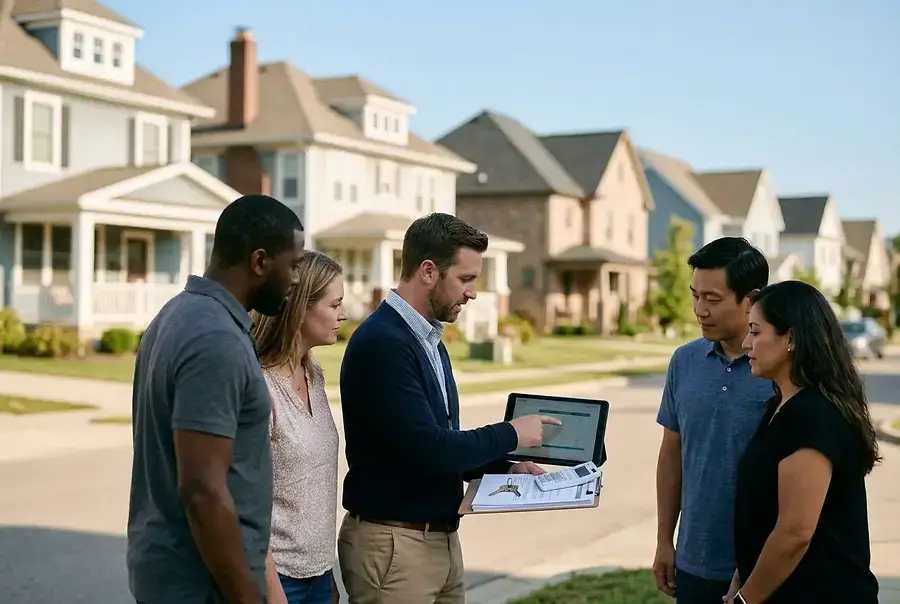
How Property Taxes Vary Across Dayton Metro Communities
Property taxes are a significant component of homeownership costs, and understanding how they vary across the Dayton metropolitan area is essential for making informed real estate decisions. The Dayton metro region, which includes communities like Tipp City, Troy, Huber Heights, and the city of Dayton itself, experiences considerable variation in property tax rates and assessments.
Each municipality in the Dayton area sets its own tax rates based on local school district needs, municipal services, and county requirements. Tipp City residents typically benefit from competitive tax rates, while Troy offers a balanced approach with strong school funding and reasonable tax burdens. Huber Heights and Dayton proper may have different rate structures depending on their specific service demands and infrastructure investments.
Property valuations also differ significantly across these communities. Factors influencing assessments include:
- Recent comparable home sales in the area
- Property improvements and renovations
- Land size and location desirability
- Local economic development trends
- School district performance ratings
Understanding these variations helps buyers choose communities that align with their financial goals and helps current homeowners anticipate future tax obligations.
Strategies to Minimize Your Property Tax Burden as a Homeowner
Challenge Your Property Assessment
One of the most effective ways to reduce property taxes is to challenge your home's assessed value if you believe it's inaccurate. Ohio law allows homeowners to file appeals when they disagree with their property assessment. Gather comparable sales data from your neighborhood and present evidence that your home's assessment exceeds its actual market value.
Maintain Your Property Strategically
While keeping your home well-maintained is important, be cautious about major renovations that significantly increase your property's assessed value. Document all improvements carefully, as some renovations may trigger reassessments. Consult with a tax professional before undertaking major projects that could substantially increase your tax liability.
Explore Homestead Exemptions
Ohio offers homestead exemptions that can reduce your property tax burden. These exemptions apply to owner-occupied primary residences and can provide meaningful savings. Eligibility requirements and benefit amounts vary by county and municipality, so contact your local county auditor's office for specific details about what's available in your community.
Consider Tax-Deferred Strategies
If you're planning to relocate within the Dayton metro area, timing your move strategically can help minimize tax impacts. Understanding when property reassessments occur in different communities allows you to make more informed decisions about your real estate transactions.
Tax Incentives and Exemptions Available in Southwest Ohio
Senior Citizen and Disability Exemptions
Ohio provides special property tax exemptions for seniors and individuals with disabilities. These programs can significantly reduce tax obligations for qualifying homeowners. Applicants must meet specific age and income requirements, and documentation is required to establish eligibility.
Veteran Property Tax Exemptions
Veterans with service-connected disabilities may qualify for property tax exemptions in Ohio. The extent of the exemption depends on the disability rating assigned by the Department of Veterans Affairs. This is a valuable benefit for those who have served our country.
Agricultural Land Exemptions
For homeowners with larger properties in the Dayton metro area who engage in agricultural activities, special exemptions may apply. These exemptions recognize the different nature of agricultural land use and can provide substantial tax relief for qualifying properties.
New Development Incentives
Some Dayton metro communities offer tax abatements or credits for new construction or significant property improvements. These incentives are designed to encourage investment and development. Check with your local city or village government to learn about current programs that might apply to your situation.
Planning Your Budget: Property Taxes and Overall Home Affordability
Calculate Your True Housing Costs
When evaluating home affordability in the Dayton metro area, property taxes must be factored into your total monthly housing expenses. Many first-time homebuyers focus only on mortgage payments and overlook property taxes, which can represent 10-15% of total annual housing costs. Include property taxes, homeowners insurance, HOA fees (if applicable), and maintenance reserves in your budget calculations.
Compare Communities Strategically
Before purchasing a home, compare property tax rates across different Dayton metro communities. A home that appears affordable in one neighborhood might have significantly higher tax obligations in another. Use online property tax calculators and contact local assessor offices to get accurate estimates for specific properties you're considering.
Plan for Tax Increases
Property taxes are not static. As your home appreciates or communities invest in infrastructure and services, tax assessments may increase. Build a financial cushion into your budget to accommodate potential tax increases over time. This prudent planning prevents financial strain if your tax obligations rise unexpectedly.
Work with Professionals
Consider consulting with a real estate tax professional or financial advisor who understands the Dayton metro market. These experts can help you:
- Identify the most tax-efficient communities for your needs
- Understand long-term financial implications of property ownership
- Develop strategies to minimize tax burdens legally
- Plan for retirement and property tax obligations
- Navigate exemptions and incentive programs
Stay Informed and Proactive
Property tax laws and rates change periodically. Stay informed about changes in your community by attending local government meetings and reviewing municipal updates. Being proactive about understanding your tax obligations and available benefits ensures you're making the most of your homeownership investment in the Dayton metro area.
Remember: Property taxes are a long-term commitment that significantly impacts your overall financial health as a homeowner. Taking time to understand how taxes work in your chosen Dayton metro community and implementing smart planning strategies can save you thousands of dollars over your years of homeownership.
