Understanding Zoning Evolution: What Changed and Why
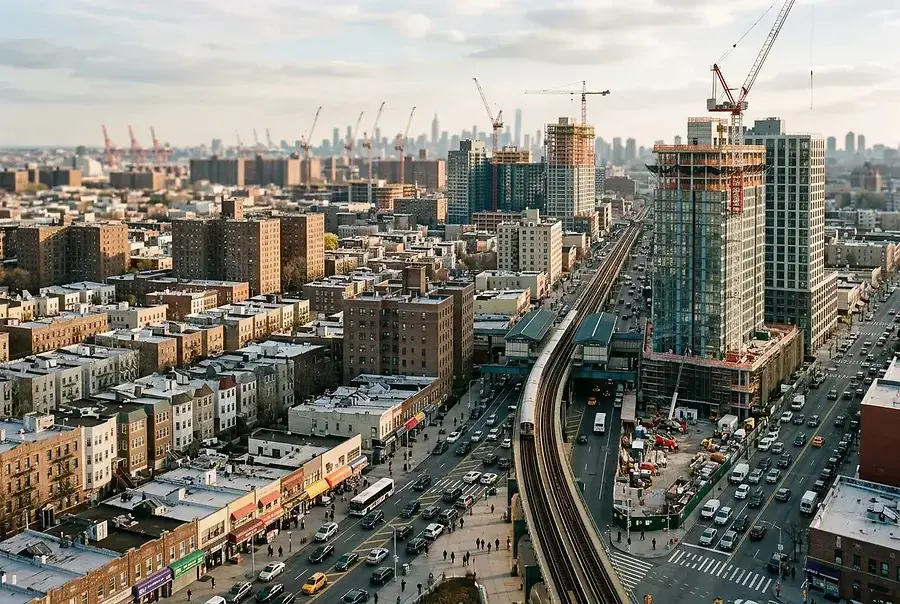
New York City's outer boroughs have undergone significant zoning transformations that are fundamentally reshaping the real estate landscape. These changes represent a strategic shift in urban planning, designed to accommodate population growth while promoting mixed-use development and economic vitality.
The primary drivers behind these zoning modifications include:
- Population Pressure: As Manhattan becomes increasingly expensive, residents and businesses are seeking affordable alternatives in outer boroughs
- Transit-Oriented Development: Zoning changes align with improved public transportation infrastructure, making these areas more accessible
- Economic Diversification: City planners aim to create employment hubs outside traditional business districts
- Housing Affordability: Zoning reforms allow for increased residential density and mixed-income housing opportunities
These regulatory changes have removed previous restrictions on building heights, commercial uses, and residential density in strategic corridors. The result is a more flexible framework that encourages developers to create vibrant, mixed-use communities rather than single-purpose neighborhoods.
Commercial Growth Corridors vs. Residential Neighborhoods
Brooklyn's Transformation
Brooklyn has emerged as a primary beneficiary of zoning liberalization. Areas like Sunset Park and Williamsburg have seen dramatic shifts from industrial zones to mixed-use developments. Commercial corridors along major avenues now feature ground-floor retail and restaurants, with residential and office space above.
The distinction between commercial and residential areas is becoming increasingly blurred. Rather than segregated zones, Brooklyn's new framework encourages vertical integration—combining multiple uses within single buildings and neighborhoods. This approach creates vibrant streetscapes and reduces commute times for residents.
Flushing's Commercial Boom
Flushing in Queens has positioned itself as a major commercial hub. Recent zoning changes have permitted taller commercial buildings and expanded retail districts. The neighborhood now attracts regional headquarters and corporate offices, transforming it from primarily residential to a genuine business center.
The zoning changes in Flushing have attracted over $2 billion in commercial real estate investment in recent years, establishing it as a legitimate alternative to Manhattan's crowded business districts.
However, this commercial growth has created tension with residential communities. Property values in surrounding residential areas have increased significantly, raising concerns about gentrification and affordability for long-time residents.
Staten Island's Balanced Approach
Staten Island has taken a more measured approach to zoning reform. Rather than aggressive commercial development, the borough has focused on strategic residential growth and small-scale commercial corridors. This approach preserves the neighborhood character while accommodating new residents and businesses.
The zoning changes here emphasize:
- Preservation of single-family residential areas
- Strategic commercial zones along major transit routes
- Mixed-income housing development
- Green space protection and environmental considerations
Investment Implications: Timing Your Move in Brooklyn, Flushing, and Staten Island
Brooklyn: Premium Pricing and Established Growth
Brooklyn's zoning changes occurred earlier than other boroughs, and the market has largely absorbed these changes. Property values have appreciated significantly, making it an established but expensive market. Investors seeking immediate returns may find better opportunities elsewhere, but Brooklyn remains a stable, long-term investment.
The best opportunities in Brooklyn now lie in emerging neighborhoods on the borough's periphery, where zoning changes are still being implemented and prices haven't fully adjusted.
Flushing: Growth Potential and Commercial Opportunity
Flushing represents a more dynamic investment opportunity. The commercial boom is still in its early-to-middle stages, meaning property values may continue appreciating. Investors with commercial interests or those seeking residential properties near employment centers should consider Flushing seriously.
Key considerations for Flushing investors:
- Commercial real estate offers higher yields than residential
- Residential properties benefit from proximity to jobs and transit
- Gentrification pressures may accelerate—timing is crucial
- Long-term appreciation potential remains strong
Staten Island: Emerging Opportunity
Staten Island presents the most compelling opportunity for value-conscious investors. The zoning changes are recent, and the market hasn't fully adjusted. Properties here remain more affordable than Brooklyn or Flushing, while offering similar long-term appreciation potential.
The key advantage of Staten Island is timing. Early investors can capture value before the market fully recognizes the borough's potential. However, Staten Island's more conservative development approach means growth may be slower and more gradual than in other boroughs.
Strategic Timing Considerations
Regardless of which borough you're considering, timing matters significantly. Markets typically move through predictable phases:
- Phase 1 (Early): Zoning changes announced, prices stable, high upside potential
- Phase 2 (Growth): Development accelerates, prices rise, market recognition increases
- Phase 3 (Maturity): Market fully developed, prices stabilize, lower appreciation potential
Brooklyn is in Phase 3, Flushing in Phase 2, and Staten Island in Phase 1. This progression suggests different investment strategies for each location.
Conclusion: Positioning Yourself in a Dynamic Market
NYC's outer boroughs are experiencing a fundamental transformation driven by zoning reforms that encourage mixed-use development, commercial growth, and residential density. These changes create both opportunities and challenges for property investors and residents.
The path forward depends on your investment timeline and risk tolerance:
- Conservative investors should focus on Brooklyn's established market with predictable returns
- Growth-oriented investors should consider Flushing's commercial boom and residential appreciation
- Value investors should explore Staten Island's emerging opportunities before the market fully adjusts
The zoning changes in NYC's outer boroughs represent a once-in-a-generation opportunity to participate in urban transformation. By understanding the market dynamics and positioning yourself strategically, you can benefit from the reshaping of New York City's real estate landscape. The question isn't whether these boroughs will change—it's whether you'll be positioned to benefit from that change.