Why Water Damage is a Critical Concern for Raleigh Properties
Water damage represents one of the most significant threats to homeowners in the Raleigh area. Whether caused by severe weather, aging infrastructure, or poor maintenance, water intrusion can compromise your home's structural integrity and lead to expensive repairs. The average cost of water damage restoration can exceed $10,000, making prevention not just a matter of convenience but a crucial investment in your property's long-term value.
Raleigh's subtropical climate, combined with the region's aging housing stock, creates a perfect storm for water-related issues. Heavy rainfall, humidity, and seasonal storms put constant pressure on your home's protective systems. By understanding the risks and taking proactive measures, you can significantly reduce the likelihood of water damage and protect your family's safety.
Common Water Damage Sources in the Raleigh Climate and Aging Homes
Roof and Gutter Problems
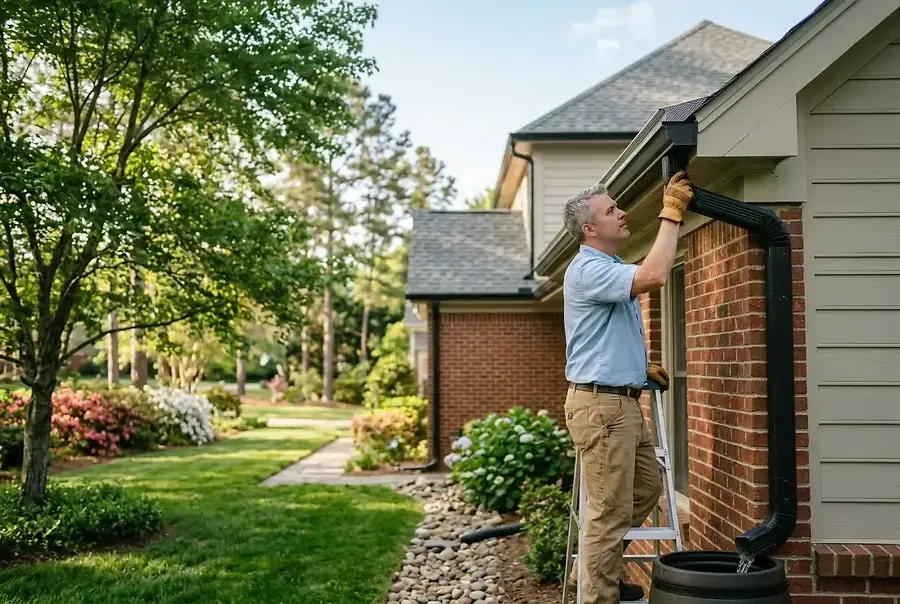
Your roof is your home's first line of defense against water intrusion. Missing or damaged shingles, deteriorated flashing, and clogged gutters are among the most common culprits behind water damage in Raleigh homes. When gutters overflow, water cascades down your home's exterior walls and foundation, creating conditions for mold growth and structural decay.
Foundation and Basement Issues
Raleigh's clay-heavy soil and variable water table make foundation problems particularly prevalent. Water can seep through cracks in your foundation or basement walls, especially during heavy rainfall. Basement flooding is not only costly to repair but can also create health hazards through mold contamination.
Plumbing and HVAC Systems
Aging pipes, corroded water heaters, and malfunctioning HVAC condensation systems are silent threats lurking within your walls. These systems can fail unexpectedly, releasing gallons of water into your home before you even notice the problem.
Exterior Drainage and Grading
Poor grading around your home's perimeter can direct water toward your foundation instead of away from it. Inadequate drainage systems, missing or broken downspout extensions, and improperly sloped landscaping all contribute to water accumulation near your home's most vulnerable areas.
Preventive Maintenance Checklist and Professional Inspection Recommendations
Monthly Maintenance Tasks
- Inspect gutters and downspouts for debris, leaves, and standing water
- Check basement and crawl spaces for signs of moisture or water intrusion
- Monitor plumbing fixtures for leaks, drips, or water stains
- Examine visible pipes under sinks and around water heaters for corrosion or leaks
- Test sump pumps if your home has one installed
Seasonal Maintenance Checklist
Spring and Fall:
- Clean gutters and downspouts thoroughly
- Inspect roof for missing or damaged shingles
- Check exterior caulking around windows and doors
- Verify proper grading slopes away from foundation
- Inspect basement walls for new cracks or moisture
Summer:
- Test HVAC condensation drainage systems
- Inspect exterior walls for water stains or damage
- Check that downspout extensions direct water at least 4-6 feet from foundation
Winter:
- Ensure gutters remain clear of ice dams
- Monitor basement for increased moisture during freeze-thaw cycles
- Check for ice buildup around foundation
Professional Inspection Recommendations
While regular homeowner maintenance is essential, professional inspections provide expert-level assessment that catches problems you might miss. Consider scheduling professional inspections in these situations:
- Annual roof inspections for homes over 15 years old
- Foundation inspections if you notice new cracks or moisture issues
- Plumbing system evaluations for homes with aging pipes
- Comprehensive water intrusion assessments after severe weather events
- Moisture testing if you suspect hidden water damage
Early Detection Methods
Catching water damage early can save thousands in repair costs. Watch for these warning signs:
- Discoloration or staining on ceilings, walls, or floors
- Musty odors in basements or crawl spaces
- Peeling paint or wallpaper
- Warped or buckled flooring
- Visible mold or mildew growth
- Increased humidity levels inside your home
- Soft spots in drywall or wood framing
Investment in Prevention Systems
Consider these protective upgrades for enhanced water damage prevention:
- Sump pump systems for basements prone to water intrusion
- Interior or exterior waterproofing for vulnerable foundation areas
- Gutter guards to reduce maintenance and improve drainage
- Water leak detection systems that alert you to plumbing failures
- Improved grading and drainage around your home's perimeter
- Dehumidifiers to control moisture levels in basements and crawl spaces
Taking Action to Safeguard Your Home's Value and Structural Integrity
Water damage prevention is not a one-time project but an ongoing commitment to protecting your home. The key to success is establishing a regular maintenance routine and addressing problems promptly when they arise.
Start by conducting a thorough assessment of your home's current condition. Walk through your basement, attic, and crawl spaces. Inspect your roof, gutters, and exterior walls. Document any existing issues and prioritize repairs based on severity.
Create a maintenance calendar and stick to it. Set reminders for seasonal tasks and schedule professional inspections at appropriate intervals. Keep detailed records of all maintenance and repairs—this documentation protects your investment and helps future buyers understand your home's care history.
Remember: An ounce of prevention is worth a pound of cure. Investing time and resources in water damage prevention today will save you from costly repairs, health hazards, and property value loss tomorrow.
By taking these proactive steps, you're not just protecting a building—you're safeguarding your family's safety, your financial investment, and your peace of mind. Your Raleigh home deserves the protection it needs to stand strong for generations to come.