Understanding the Home Inspection Process in Raleigh
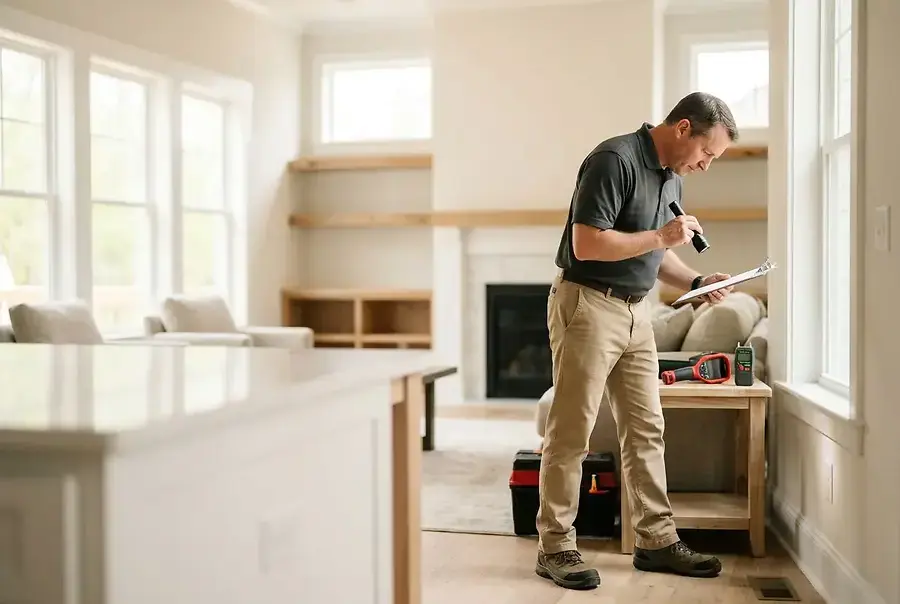
A home inspection is one of the most important steps in the home buying process. It's a thorough examination of a property's physical structure and systems, conducted by a licensed professional inspector. In Raleigh, most home inspections take between two to four hours, depending on the size and age of the property.
During the inspection, the inspector will evaluate the condition of the home's major systems and components. This includes everything from the foundation to the roof, and from electrical systems to plumbing. The inspector will provide you with a detailed report that outlines the condition of each area and identifies any issues that need attention.
What to Expect During Your Inspection
As a buyer, you have the right to be present during the inspection. In fact, it's highly recommended that you attend. This gives you the opportunity to ask questions, learn about the property's systems, and understand any concerns the inspector identifies. The inspector will walk you through the home, explaining their findings as they go.
The inspection report will typically include photographs of problem areas, descriptions of defects, and recommendations for repairs or further evaluation. Some inspectors use digital tools to provide real-time updates and detailed documentation throughout the process.
Critical Areas Inspectors Examine and Red Flags to Watch For
Structural Components
Inspectors pay close attention to the home's foundation, walls, and roof. Foundation cracks, water damage, and settling issues are serious red flags that could indicate costly repairs. The roof's age, condition, and remaining lifespan are also critical factors. Most roofs last 20-25 years, so an older roof may need replacement soon.
Electrical and Plumbing Systems
The electrical system is checked for safety hazards, outdated wiring, and code violations. Aluminum wiring, insufficient grounding, and overloaded circuits are common concerns in older Raleigh homes. For plumbing, inspectors look for leaks, water pressure issues, and the condition of pipes. Galvanized pipes, which corrode over time, may need replacement.
HVAC Systems
The heating, ventilation, and air conditioning systems are evaluated for proper operation and maintenance. An aging HVAC system can be expensive to replace, so understanding its condition and remaining lifespan is crucial for your budget planning.
Water Damage and Mold
One of the most important areas of focus is water intrusion and moisture problems. Water stains, mold growth, and dampness in basements or crawl spaces are serious concerns that can lead to structural damage and health issues. Raleigh's humid climate makes this particularly important to monitor.
Additional Areas of Concern
- Attic ventilation and insulation
- Basement or crawl space conditions
- Windows and doors for proper sealing
- Exterior grading and drainage
- Presence of asbestos or lead paint in older homes
- Pest damage or infestation signs
How to Use Inspection Results to Negotiate Better Terms
Reviewing the Report Carefully
Once you receive the inspection report, take time to review it thoroughly. Categorize issues into three groups: critical repairs that must be addressed, important repairs that should be addressed, and minor issues that are cosmetic or low-priority.
Getting Professional Estimates
For significant issues identified in the inspection, obtain repair estimates from licensed contractors. This gives you concrete numbers to use in negotiations. Don't rely solely on the inspector's estimates—get actual quotes from professionals who specialize in the specific repairs needed.
Negotiation Strategies
You have several options when dealing with inspection findings:
- Request repairs: Ask the seller to fix critical issues before closing.
- Request credits: Negotiate a credit toward closing costs to handle repairs yourself.
- Request price reduction: Ask for a reduction in the purchase price to account for repairs.
- Walk away: If issues are too severe or costly, you may choose to terminate the contract.
The key is to be reasonable and data-driven. Focus on significant issues that affect safety, structural integrity, or major systems. Minor cosmetic issues are typically the buyer's responsibility.
Timing Matters
Most purchase agreements include an inspection contingency period—typically 7-10 days. Use this time strategically to complete your inspection, review results, and negotiate. Don't wait until the last minute to address concerns.
Protecting Your Investment: Next Steps After Inspection
Document Everything
Keep copies of the inspection report, all contractor estimates, and any communications with the seller regarding repairs. This documentation is valuable for insurance purposes and future reference.
Schedule Follow-Up Inspections
For major systems or areas of concern, consider hiring specialists. A structural engineer can evaluate foundation issues, a mold specialist can assess moisture problems, and a pest control expert can identify infestations. These specialized inspections provide detailed information and professional recommendations.
Plan Your Maintenance Schedule
Use the inspection report to create a maintenance plan for your new home. Prioritize repairs and improvements based on urgency and budget. Regular maintenance prevents small issues from becoming expensive problems.
Review Your Home Insurance
Share inspection findings with your insurance agent. Some issues may affect your coverage or premiums. Understanding your home's condition helps you select appropriate insurance coverage.
Budget for Future Repairs
Even if the inspection reveals no major issues, budget for future repairs and maintenance. Roofs, HVAC systems, and water heaters all have limited lifespans. Setting aside funds for these inevitable replacements protects your investment long-term.
"A thorough home inspection is not an expense—it's an investment in peace of mind and financial protection. Understanding your home's condition before closing empowers you to make informed decisions and protect your most valuable asset."
Final Thoughts
Home inspections are a critical part of the buying process in Raleigh. By understanding what inspectors look for, carefully reviewing their findings, and using that information strategically, you can protect your investment and avoid costly surprises after closing. Don't skip this step or treat it as a formality—your future self will thank you for the diligence you invest today.