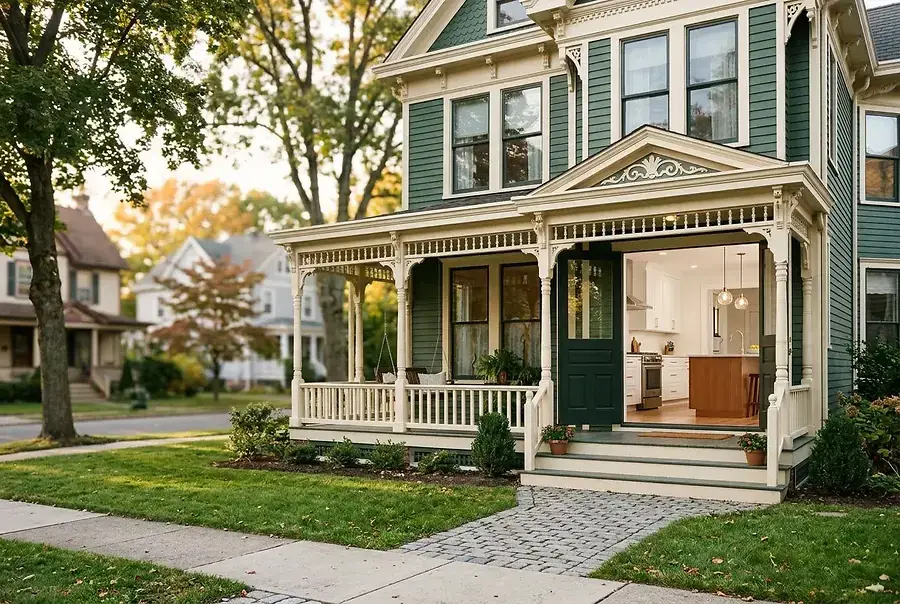
Understanding the Architecture and Historical Value of Union County Homes
Union County's historic homes represent a rich tapestry of American architectural heritage, from Victorian mansions to Colonial-era farmhouses and charming early 20th-century bungalows. Before embarking on any renovation project, it's essential to understand the unique architectural style and historical significance of your property.
Many homes in towns like Elizabeth, Westfield, and Cranford feature distinctive design elements that define their era. Identifying these characteristics—such as original moldings, window styles, rooflines, and exterior materials—helps guide renovation decisions that honor the home's heritage.
Researching Your Home's History
Start by investigating your property's background through local historical societies, county records, and architectural databases. Understanding when your home was built and by whom provides valuable context for restoration efforts. This research often reveals original design intentions and helps you make informed choices about which features to preserve.
Consider consulting with a professional architectural historian who specializes in Union County properties. These experts can identify original materials, construction techniques, and design elements that contribute to your home's historical value.
Planning Your Renovation: Permits, Budgets, and Finding Qualified Contractors
Successful historic home renovations require careful planning and coordination with local authorities. Union County municipalities have specific regulations governing historic properties, and understanding these requirements upfront prevents costly delays.
Navigating Permits and Regulations
Many Union County towns maintain historic district designations that require approval for exterior modifications. Before starting any work, check with your local planning and zoning department to determine if your property falls within a historic district. If it does, you'll likely need approval for:
- Exterior paint colors and materials
- Window and door replacements
- Roofing materials and styles
- Landscaping and hardscape changes
- Additions or structural modifications
Creating a Realistic Budget
Historic home renovations typically cost more than standard updates due to the specialized materials and expertise required. Budget generously for unexpected discoveries—hidden structural issues, outdated wiring, and asbestos-containing materials are common in older homes.
Allocate funds strategically by prioritizing projects that address safety, structural integrity, and essential systems before cosmetic upgrades. This approach ensures your investment protects the home's long-term viability.
Selecting the Right Contractors
Finding contractors experienced with historic preservation is crucial. Look for professionals who:
- Have documented experience with period-appropriate renovations
- Understand local historic preservation guidelines
- Can source authentic or compatible replacement materials
- Respect original architectural details and craftsmanship
- Hold appropriate licenses and insurance
Ask for references from previous historic home projects and visit completed renovations to assess quality and attention to detail.
Balancing Historic Preservation with Modern Amenities and Comfort
The greatest challenge in renovating historic homes lies in integrating modern conveniences without compromising architectural integrity. Thoughtful planning allows you to enjoy contemporary comfort while preserving the character that makes your home special.
Updating Systems Discreetly
Modern electrical, plumbing, and HVAC systems are essential for safety and comfort, but they don't need to be visible. Work with contractors to route wiring and pipes through walls, attics, and basements rather than surface-mounting them where they're visible. This approach maintains the home's original appearance while providing necessary functionality.
When updating kitchens and bathrooms, consider period-appropriate fixtures and finishes that complement your home's era. Vintage-style appliances, subway tile, and classic hardware can provide modern functionality with historical authenticity.
Preserving Original Features
Original hardwood floors, plaster walls, crown molding, and built-in cabinetry add immeasurable character to historic homes. Whenever possible, restore these elements rather than replace them. Professional restoration of original features often costs less than high-quality reproductions and maintains authentic historical value.
Windows deserve special attention in historic homes. Rather than replacing original windows, consider restoration by specialists who can repair frames, restore glazing, and improve efficiency while maintaining authenticity. If replacement is necessary, choose period-appropriate styles that match the originals.
Smart Additions and Modifications
If your renovation includes additions or significant modifications, design them to complement rather than compete with the original structure. Additions should be visually subordinate to the main house and use compatible materials and architectural details.
Open floor plans are popular in modern homes, but historic properties often benefit from maintaining original room divisions. Consider partial walls, pocket doors, or removable partitions that provide flexibility while preserving the home's original spatial character.
Protecting Your Investment: How Thoughtful Renovations Increase Home Value
Well-executed historic home renovations don't just preserve character—they significantly enhance property value. Buyers actively seek authentic historic homes with quality restorations that respect original design.
Value-Adding Renovation Priorities
Focus renovation efforts on improvements that buyers value most:
- Structural integrity: Address foundation issues, roof repairs, and water damage
- Systems upgrades: Modern electrical, plumbing, and HVAC systems
- Kitchen and bathrooms: Updated but period-appropriate spaces
- Energy efficiency: Insulation, weatherization, and efficient heating/cooling
- Original features: Restored architectural details and authentic materials
Documentation and Certification
Maintain detailed records of all renovation work, including permits, contractor information, materials used, and before-and-after photographs. This documentation proves the quality of work and helps justify the home's value to future buyers.
Consider pursuing historic preservation tax credits if your property qualifies. These federal incentives can offset renovation costs while ensuring work meets preservation standards.
Long-Term Value Considerations
Historic homes in Union County's charming towns command premium prices in today's real estate market. Buyers appreciate the craftsmanship, character, and established neighborhoods that historic properties offer. Thoughtful renovations that honor the home's heritage while providing modern comfort create lasting value that extends far beyond the initial investment.
By understanding your home's architectural significance, navigating local regulations, balancing preservation with modernization, and prioritizing value-adding improvements, you can successfully renovate your historic Union County home. The result is a beautiful, functional property that preserves the past while embracing the present.