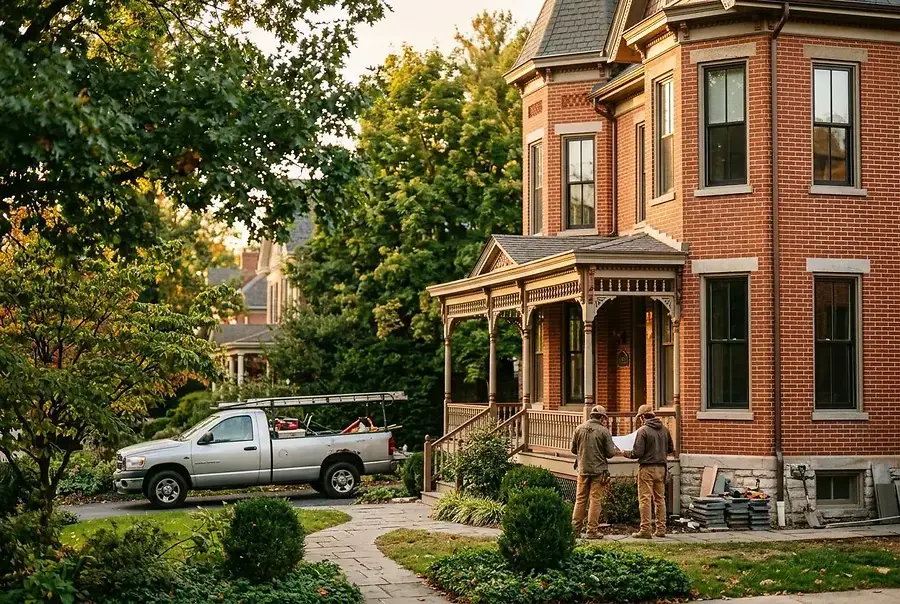
Understanding Historic Home Restoration in South-Central Pennsylvania
South-Central Pennsylvania is home to some of the most charming and historically significant properties in the nation. From the colonial-era homes of Lancaster County to the Civil War-era architecture surrounding Gettysburg, these regions offer unique opportunities for homebuyers seeking character and heritage. However, purchasing and renovating a historic home requires a different approach than working with modern construction.
Historic homes in our region typically date back to the 1700s and 1800s, featuring distinctive architectural styles including Federal, Victorian, and Pennsylvania Dutch influences. These properties often possess original hardwood floors, hand-crafted woodwork, and structural elements that tell the story of our region's rich past. Understanding these characteristics is the first step toward successful renovation.
The Importance of Preservation Standards
Before beginning any renovation project, familiarize yourself with local preservation guidelines. Many historic districts in Lancaster, York, and Gettysburg have specific regulations governing exterior modifications, window replacements, and structural changes. The National Register of Historic Places and local historical commissions provide valuable resources and may offer tax incentives for qualified restoration work.
Working within these guidelines protects your investment and maintains the community's architectural integrity. Properties that respect historic preservation standards often appreciate better over time and attract buyers who value authenticity.
Key Renovation Considerations for Older Homes in Our Region
Structural and Foundation Issues
Historic homes often present unique structural challenges. Common concerns include:
- Foundation settling: Older foundations may shift over centuries, causing uneven floors and wall cracks
- Timber frame deterioration: Original wooden beams may require reinforcement or selective replacement
- Moisture intrusion: Historic homes frequently lack modern moisture barriers, leading to basement dampness and wood rot
- Outdated electrical and plumbing systems: Complete rewiring and replumbing are often necessary for safety and functionality
A thorough professional inspection is essential before purchase. Hire inspectors experienced with historic properties who understand period construction methods and can identify issues specific to older homes.
Maintaining Historic Character While Adding Modern Amenities
The challenge of historic renovation lies in balancing preservation with modern living standards. Strategic updates can enhance functionality without compromising authenticity:
- Install modern HVAC systems in basements or attics rather than visible areas
- Update kitchens and bathrooms while preserving original cabinetry and fixtures where possible
- Use period-appropriate materials for replacements, such as authentic window styles and hardware
- Conceal contemporary technology behind period-appropriate facades
Common Materials and Systems
Understanding what you're working with helps guide renovation decisions. Many South-Central PA historic homes feature:
- Plaster walls: Often superior to drywall but requiring specialized repair techniques
- Original windows: Repairable and valuable; replacement should be a last resort
- Slate or clay tile roofing: Durable but requiring specialized contractors for repair
- Brick or stone exteriors: Requiring careful repointing with historically appropriate mortar
Budget Planning and ROI for Historic Property Improvements
Realistic Cost Expectations
Historic home renovations typically cost 20-30% more than comparable modern construction due to specialized labor, period-appropriate materials, and unforeseen issues discovered during work. A modest kitchen update might cost $25,000-$40,000, while a complete restoration could exceed $200,000 depending on the property's condition and size.
The key to successful historic renovation is planning for contingencies. Budget an additional 15-20% for unexpected discoveries behind walls and under floors.
Prioritizing Your Projects
Focus first on structural integrity and systems that affect daily living:
- Phase 1: Foundation repairs, roof replacement, electrical and plumbing updates
- Phase 2: HVAC installation, insulation improvements, window restoration
- Phase 3: Kitchen and bathroom renovations, cosmetic updates
This approach ensures your home is safe and functional while spreading costs over time.
Return on Investment
Historic homes in desirable South-Central PA locations typically appreciate steadily. Properties in Lancaster's historic district, York's downtown revival areas, and Gettysburg's heritage neighborhoods have shown strong appreciation. While you may not recover 100% of renovation costs, the combination of location, character, and improved functionality creates lasting value.
Tax credits for historic preservation can offset costs significantly. The federal Historic Preservation Tax Credit allows property owners to claim 20% of qualified rehabilitation expenses, with some states offering additional incentives.
Connecting with Local Contractors and Preservation Resources
Finding Qualified Professionals
Success depends on hiring contractors experienced with historic properties. Look for professionals who:
- Have completed similar projects in your area
- Understand local preservation guidelines and requirements
- Can provide references from historic home renovations
- Stay current with period-appropriate materials and techniques
Ask potential contractors about their experience with specific challenges your home presents, whether foundation work, plaster repair, or historic window restoration.
Local Resources and Organizations
Several organizations support historic preservation in South-Central Pennsylvania:
- Lancaster County Historical Society: Provides guidance on period-appropriate restoration
- York County Heritage Trust: Offers resources and connects owners with preservation experts
- Gettysburg Foundation: Supports historic preservation efforts and provides educational resources
- Pennsylvania Historic Preservation Office: Administers tax credits and provides technical assistance
These organizations often host workshops and maintain directories of qualified contractors specializing in historic work.
Building Your Team
Successful renovation requires collaboration. Assemble a team including:
- A preservation-focused architect or consultant
- Experienced general contractor familiar with historic work
- Specialized tradespeople (plaster repair, masonry, etc.)
- Local historical commission liaison
Regular communication and clear expectations ensure your vision becomes reality while respecting your home's historic significance.
Moving Forward
Renovating a historic home in South-Central Pennsylvania is a rewarding investment in both property value and community heritage. By understanding the unique challenges these properties present, planning carefully, and working with knowledgeable professionals, you can create a beautiful, functional home that honors the past while meeting modern needs. Your historic property will become not just a residence, but a living connection to our region's rich architectural legacy.