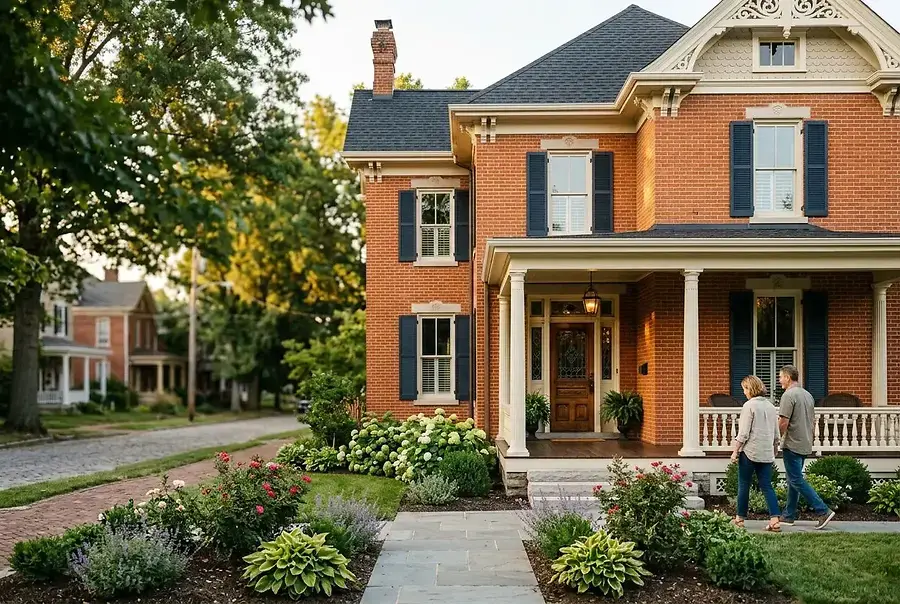
Introduction: Why Historic Homes Are Treasured in Central Kentucky Markets
Central Kentucky's real estate market has long celebrated the charm and character of historic homes. These properties, many dating back over a century, represent more than just shelter—they embody the region's rich architectural heritage and cultural identity. From Victorian mansions in Lexington to charming farmhouses in the Bluegrass, historic homes command attention and often premium prices when properly maintained.
However, owning a historic property comes with unique challenges. Modern families expect contemporary conveniences, energy efficiency, and updated systems, yet buyers also seek the authentic details that make these homes special. The key to successful renovation lies in striking a balance: enhancing functionality and comfort while preserving the architectural elements that give these homes their soul.
Understanding the value proposition is crucial before beginning any renovation project. Historic homes in Central Kentucky appreciate when renovations respect their original design intent, maintain period-appropriate materials, and enhance rather than replace original features.
Strategic Renovations That Enhance Both Function and Curb Appeal
Prioritize Exterior Restoration
The exterior is your home's first impression and its primary defense against the elements. Strategic exterior work should focus on:
- Roof restoration: Replace damaged shingles while maintaining the original roof line and pitch. Consider period-appropriate materials that match the home's era.
- Window and door preservation: Rather than replacing original windows, invest in professional restoration. Historic windows can be repaired, reglazed, and fitted with modern weatherstripping to improve efficiency by up to 30%.
- Exterior paint and siding: Research the home's original color palette and use historically accurate paint colors. If siding replacement is necessary, match the original material and profile.
- Landscaping and hardscaping: Restore period-appropriate landscaping elements like brick pathways, iron fencing, or native plantings that complement the home's architectural style.
Modernize Systems Thoughtfully
Updating electrical, plumbing, and HVAC systems is essential for safety and comfort, but these upgrades should be executed discreetly. Hide modern infrastructure in walls, basements, or attics whenever possible. Work with contractors experienced in historic preservation who understand how to route new systems without damaging original architectural details.
Consider installing a modern HVAC system that maintains the home's aesthetic while providing efficient climate control. Zoned heating and cooling can improve comfort without requiring visible ductwork in living spaces.
Kitchen and Bathroom Updates
These spaces offer opportunities to blend historic charm with modern functionality. Successful kitchen renovations in historic homes typically include:
- Preserving original cabinetry when possible, or commissioning custom pieces that echo the home's period style
- Installing modern appliances in cabinet-integrated designs that maintain visual continuity
- Using period-appropriate tile, hardware, and lighting fixtures
- Maintaining original flooring or replacing it with materials that match the home's era
Bathrooms can be refreshed with vintage-inspired fixtures, subway tile, and period-appropriate hardware while incorporating modern plumbing and ventilation systems.
Interior Finishes That Honor History
Original hardwood floors, crown molding, built-in shelving, and fireplace mantels are treasures worth preserving. If these elements exist, invest in professional restoration rather than replacement. When updates are necessary, source reproduction materials that match the original specifications as closely as possible.
Common Pitfalls to Avoid When Updating Older Properties
The Removal Mistake
Never remove original architectural details with the intention of "modernizing" the space.Historic trim, mantels, hardwood floors, and built-ins are irreplaceable and significantly impact property value. If you must remove something, carefully preserve it for potential reinstallation or donation to architectural salvage organizations.
Mismatched Materials and Styles
Avoid mixing incompatible architectural periods or materials. A Victorian home shouldn't receive ultra-modern minimalist finishes, just as a Colonial farmhouse shouldn't feature contemporary industrial design. Maintain stylistic consistency throughout the property.
Over-Personalization
While your personal taste matters, remember that extensive customization can deter future buyers. Bold paint colors, trendy fixtures, and highly personalized design choices may need to be reversed before selling. Stick with timeless, period-appropriate selections that appeal to a broader audience.
Ignoring Professional Guidance
Hire contractors and designers with specific experience in historic home renovation. Professional expertise prevents costly mistakes and ensures compliance with local historic district guidelines if applicable. Many Central Kentucky communities have historic preservation commissions that review renovation plans.
Neglecting Structural Issues
Don't prioritize cosmetic updates over necessary structural repairs. Foundation problems, roof leaks, or rotting wood must be addressed before tackling aesthetic improvements. A thorough inspection by a professional experienced with older homes is essential before beginning any project.
Conclusion: Positioning Your Historic Home for Maximum Buyer Interest
Renovating a historic home in Central Kentucky is an investment in both property value and community heritage. The most successful renovations enhance livability while respecting the architectural integrity that makes these homes special.
Focus on strategic improvements that address modern expectations—updated systems, functional kitchens and bathrooms, and improved energy efficiency—while preserving the distinctive character that attracted you to the property in the first place. This balanced approach creates homes that appeal to buyers seeking both historic charm and contemporary comfort.
Remember: Historic homes appreciate when treated with respect for their past while being thoughtfully adapted for the present. By following these principles, you'll not only enjoy your property more fully but also position it for strong market performance when the time comes to sell.