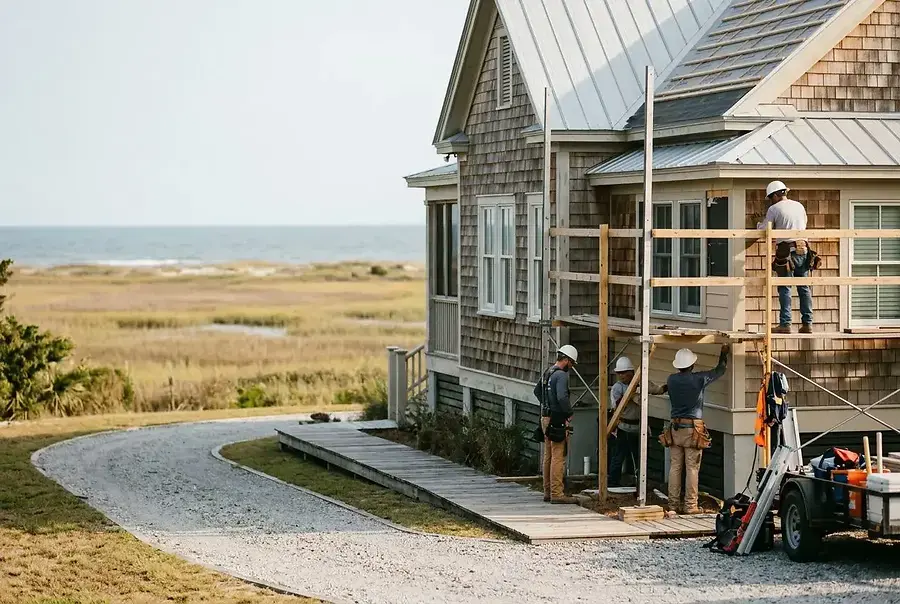
Introduction: The Appeal and Challenges of Older Homes in Little River
Little River, South Carolina, is a charming coastal community known for its historic properties and waterfront character. Older homes in this area possess undeniable appeal—from their architectural details to their established neighborhoods and proximity to the Atlantic. However, purchasing a vintage property in Little River comes with unique challenges that require careful planning and expert guidance.
Coastal properties face distinct environmental pressures including salt air corrosion, moisture infiltration, and hurricane-force winds. Combined with the natural aging of structures built decades ago, these factors make renovation both necessary and complex. The good news? With the right approach, you can transform an older Little River home into a modern, comfortable residence while preserving its historic charm and protecting your investment.
Key Renovation Priorities: Structural, Systems, and Coastal Considerations
Structural Assessment and Foundation Work
Before any cosmetic updates, a thorough structural inspection is essential. Older homes in Little River may have foundation settling, wood rot, or compromised framing—issues that worsen in coastal climates. Hire a licensed structural engineer to evaluate the foundation, support beams, and overall integrity. This assessment should identify whether repairs are cosmetic or critical.
Common structural issues in older coastal homes include:
- Foundation cracks and settling
- Rotted wooden support beams and joists
- Compromised pilings (especially in elevated homes)
- Water damage from poor drainage or flooding
Updating Electrical and Plumbing Systems
Homes built several decades ago typically have outdated electrical and plumbing systems that don't meet modern safety codes or demands. Electrical upgrades are non-negotiable—older wiring can pose fire hazards and won't support today's appliances and technology needs.
Prioritize these system upgrades:
- Complete electrical panel replacement or upgrade
- New wiring throughout (knob-and-tube wiring must be replaced)
- Updated plumbing with modern materials
- New HVAC system suitable for coastal humidity
- Water heater replacement
In Little River's humid climate, proper ventilation and moisture control are critical. Consider installing a dehumidification system to prevent mold and mildew in older structures.
Addressing Coastal-Specific Concerns
Living near the ocean requires special attention to materials and construction methods. Salt air accelerates corrosion of traditional metals and degrades certain building materials faster than inland properties experience.
Coastal renovation priorities include:
- Installing corrosion-resistant hardware and fasteners
- Using marine-grade materials for exterior work
- Upgrading roofing with impact-resistant, salt-tolerant materials
- Installing proper drainage systems to manage water intrusion
- Sealing and protecting wood siding and trim
- Installing storm-resistant windows and doors
Additionally, verify that your property meets current flood zone requirements and consider flood insurance implications. Elevating utilities and installing flood vents can protect your investment from storm surge and heavy rainfall.
Preserving Historic Character
Many older Little River homes feature architectural details worth preserving. Work with contractors experienced in historic renovation to maintain original elements like hardwood floors, crown molding, and period-appropriate windows when possible. This approach adds value and maintains neighborhood character.
Budget Planning and Finding Qualified Contractors in the Area
Creating a Realistic Renovation Budget
Budget overruns plague many renovation projects, especially in older homes where hidden problems emerge during work. Plan for the unexpected by allocating 15-20% of your total budget as a contingency fund.
Typical renovation costs in Little River vary by scope, but expect:
- Structural repairs: $10,000-$50,000+
- Electrical system upgrade: $8,000-$15,000
- Plumbing replacement: $10,000-$20,000
- Roofing: $12,000-$25,000
- HVAC system: $5,000-$12,000
- Kitchen and bathroom updates: $15,000-$40,000 each
Prioritize spending on systems and structure before cosmetic upgrades. A beautiful kitchen means little if the foundation is failing or electrical systems are unsafe.
Finding and Vetting Local Contractors
The Little River area has experienced contractors familiar with coastal renovation challenges. When selecting contractors, follow these steps:
- Get multiple bids from at least three qualified contractors
- Verify licenses and insurance with South Carolina licensing boards
- Check references and view completed coastal renovation projects
- Ensure they understand local building codes and flood zone requirements
- Request detailed written estimates with timelines and material specifications
- Ask about warranty coverage on completed work
Look for contractors with specific experience in coastal properties and older home renovation. Their familiarity with Little River's unique challenges—salt air, moisture, building codes—is invaluable. Don't simply choose the lowest bid; the cheapest option often results in costly problems later.
Managing the Renovation Timeline
Older homes often reveal surprises once work begins. Establish clear communication with your contractor about how changes will be handled and approved. Build flexibility into your timeline and maintain regular progress meetings to address issues promptly.
Conclusion: Turning a Fixer-Upper into Your Perfect Little River Home
Renovating an older home in Little River requires patience, planning, and professional expertise, but the rewards are substantial. You'll gain a property that combines historic charm with modern comfort, safety, and efficiency—all while potentially increasing your home's value significantly.
Success depends on prioritizing structural and system upgrades, addressing coastal-specific challenges, and partnering with experienced local contractors. By following this comprehensive guide and investing wisely, your Little River fixer-upper can become the perfect coastal home you've always wanted.
Ready to start your renovation journey? Begin with a professional inspection, create a detailed budget, and connect with qualified contractors who understand Little River's unique renovation needs.