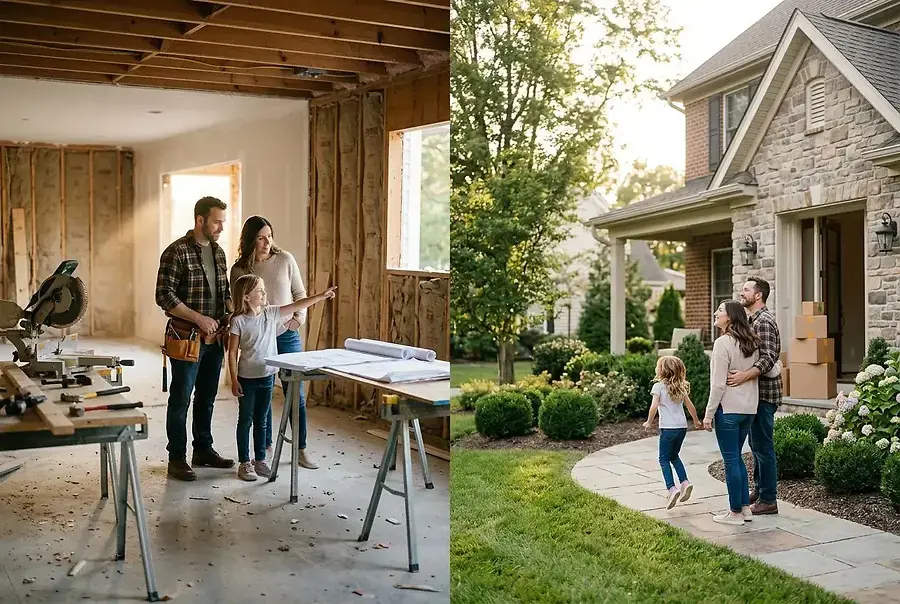
Introduction: The Renovation vs. Relocation Decision
For many Ellicott City homeowners, the question of whether to renovate their current home or relocate to a new property is one of the most significant decisions they'll face. As families grow, needs change, and neighborhoods evolve, it's natural to wonder if staying put and upgrading is the better choice, or if starting fresh in a new location makes more sense. This decision isn't just about personal preference—it's deeply rooted in financial considerations, lifestyle factors, and long-term goals.
The truth is, there's no one-size-fits-all answer. What works for one family may not work for another. However, by carefully evaluating the costs, benefits, and your family's unique needs, you can make an informed decision that aligns with your vision for the future.
Cost Comparison: Calculating Your True Investment
Understanding Renovation Costs
Renovating your current home can seem like the more economical choice on the surface, but the true costs often extend beyond initial estimates. Consider the following factors:
- Materials and Labor: Kitchen and bathroom renovations are among the most expensive projects, often ranging from $15,000 to $50,000 or more depending on scope and quality.
- Hidden Costs: Once contractors begin work, unexpected issues like structural damage, outdated wiring, or plumbing problems frequently emerge, adding 10-20% to your budget.
- Timeline Disruptions: Extended renovation timelines mean living in a construction zone, which can impact your quality of life and potentially require temporary housing.
- Return on Investment (ROI): Not all renovations recoup their full cost. While kitchen and bathroom updates typically return 50-80% of their investment, other projects may yield less.
Evaluating Relocation Costs
Moving to a new property involves different expenses that deserve careful analysis:
- Down Payment and Closing Costs: Expect to pay 3-6% of the purchase price in closing costs, plus your down payment.
- Realtor Commissions: Selling your current home typically costs 5-6% of the sale price in realtor commissions.
- Moving Expenses: Professional moving services can range from $3,000 to $10,000 depending on distance and volume.
- New Home Advantages: A newly constructed or recently updated home may require fewer immediate repairs and come with builder warranties or home warranties.
The Financial Comparison
Create a detailed spreadsheet comparing both options. Include renovation costs with contingency funds (add 15-20% to estimates), potential home value increases, selling costs, and new purchase expenses. Many homeowners find that if renovations exceed 25-30% of their current home's value, relocation becomes more financially attractive.
Lifestyle Factors: What Your Growing Family Really Needs
Space and Layout Considerations
Ask yourself: Does your current home's layout meet your family's needs? Structural limitations can make renovations impractical. If you need an additional bedroom, home office, or larger kitchen, but your current floor plan doesn't support these changes without major reconstruction, relocation might be the better option. A new home can be selected with your family's current and future needs already built in.
Neighborhood and Community Fit
Your neighborhood is more than just your house. Consider:
- School quality and ratings for your children's education
- Proximity to work, family, and activities your family enjoys
- Safety ratings and community engagement
- Future development plans that could affect property values
- Commute times and transportation options
If your current neighborhood no longer aligns with your family's priorities, relocation offers a fresh start in a community that better suits your lifestyle.
Emotional and Practical Comfort
Sometimes, the best financial decision is also the one that brings your family the most happiness and peace of mind.
Living through a major renovation can be stressful, especially for families with young children or those working from home. The noise, dust, and disruption can last months. In contrast, relocating to a move-in-ready home eliminates this stress, allowing your family to settle in immediately and enjoy your new space.
Future-Proofing Your Decision
Think about your long-term plans. Are you planning to stay in Ellicott City for the next 10-15 years? Will your family size change? Do you anticipate needing accessibility modifications as you age? These considerations should influence whether you invest in renovating your current home or purchasing one that's better suited to your future.
Conclusion: Making Your Best Move in Ellicott City
The decision between renovating and relocating ultimately depends on your unique circumstances. Renovating makes sense when: your current home's location and layout are ideal, renovation costs are reasonable, and you have a strong emotional connection to your property. Relocation is preferable when: your home's structure limits your options, the neighborhood no longer fits your needs, or the total cost of renovation approaches the price of purchasing a new home.
Take time to thoroughly evaluate both options. Consult with real estate professionals, contractors, and financial advisors who understand the Ellicott City market. Create detailed financial projections, and most importantly, involve your family in the decision-making process. Your home should support your family's happiness and financial well-being for years to come.
Whether you choose to renovate your current home or relocate to a new one, the key is making an informed decision that aligns with your family's needs, values, and financial goals. Ellicott City offers wonderful opportunities in both directions—the choice is yours to make.