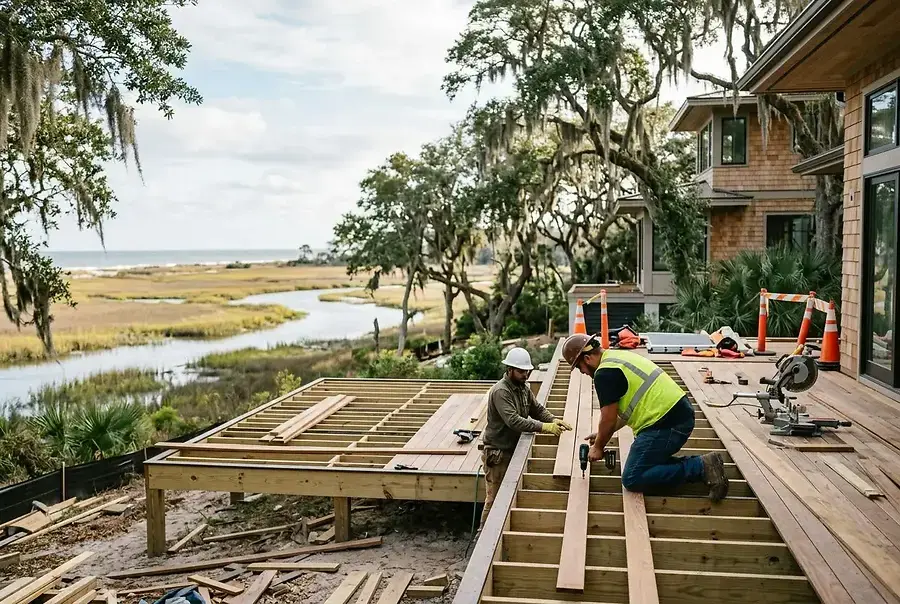
Understanding Renovation Costs on St. Simons Island
Renovating a home on St. Simons Island comes with unique financial considerations that differ from mainland properties. The island's coastal climate, salt air, and specific building codes all impact renovation expenses. Before breaking ground, it's essential to understand what drives costs in this particular market.
Factors Affecting Island Renovation Costs
Several elements influence how much you'll spend on your St. Simons Island renovation project:
- Material Transportation: Shipping materials to the island can add 10-15% to your overall budget compared to mainland projects.
- Coastal Building Codes: Wind resistance, flood mitigation, and salt-resistant materials are mandatory, increasing material costs.
- Labor Availability: Seasonal tourism and limited contractor availability can affect labor rates during peak seasons.
- Scope of Work: Structural repairs, foundation work, and moisture remediation are common on older island properties.
Pro Tip: Budget an additional 15-20% contingency fund for unexpected issues, particularly if your home was built before modern building standards.
Creating Your Budget
Start by determining your total renovation budget based on your property's current value and your financial capacity. A realistic approach involves:
- Getting multiple quotes from local contractors
- Researching material costs specific to coastal properties
- Allocating funds for permits and inspections
- Setting aside emergency reserves for unforeseen complications
For a mid-range renovation on St. Simons Island, expect to invest between $150-300 per square foot, depending on the quality of materials and finishes you select.
Creating a Realistic Timeline for Your Project
Time management is crucial for successful renovations. Island properties often require longer timelines due to material delivery delays and weather considerations.
Planning Your Project Phases
Break your renovation into manageable phases:
- Pre-Construction Phase (2-4 weeks): Permits, inspections, and contractor coordination
- Demolition & Prep (1-3 weeks): Removing old materials and preparing the space
- Major Systems (3-8 weeks): Electrical, plumbing, HVAC, and structural work
- Finishing Work (4-6 weeks): Drywall, painting, flooring, and installations
- Final Inspections (1-2 weeks): Permits sign-off and quality checks
Weather and Seasonal Considerations
St. Simons Island's weather patterns significantly impact renovation schedules. Hurricane season (June through November) can cause delays and affect material availability. Plan major outdoor work during the drier months of March through May or December through February.
Coordinate with your contractor about realistic timelines that account for:
- Material delivery delays to the island
- Seasonal weather patterns
- Contractor availability during peak seasons
- Permit processing times with local authorities
Hiring Local Contractors and Managing the Process
Selecting the right contractor is perhaps the most important decision you'll make for your renovation project. Local expertise matters significantly on St. Simons Island.
Finding and Vetting Contractors
Look for contractors with specific experience in island properties. They should understand:
- Local building codes and permit requirements
- Coastal material specifications and durability
- Moisture and salt-air mitigation techniques
- Relationships with local suppliers and subcontractors
Request references from recent island projects and verify their licensing and insurance. Don't hesitate to ask about their experience with properties similar to yours.
Managing the Renovation Process
Once you've hired your contractor, establish clear communication protocols:
- Schedule regular progress meetings (weekly or bi-weekly)
- Document all changes in writing with updated timelines and costs
- Conduct inspections at key project milestones
- Maintain a project folder with permits, contracts, and receipts
Effective communication prevents misunderstandings and keeps your project on track and within budget.
Maximizing ROI: Which Upgrades Add the Most Value
Not all renovations provide equal returns on investment. On St. Simons Island, certain upgrades consistently add more value than others.
High-ROI Upgrades for Island Properties
Kitchen and Bathroom Renovations: These typically return 60-80% of your investment. Focus on quality finishes and modern functionality that appeal to island buyers.
Outdoor Living Spaces: Decks, patios, and screened porches are highly valued on St. Simons Island. These spaces extend your living area and take advantage of the island's natural beauty, often returning 70-85% of investment.
Energy-Efficient Upgrades: Solar panels, high-efficiency HVAC systems, and impact-resistant windows appeal to environmentally conscious buyers and reduce utility costs. Expect 50-70% ROI.
Moisture and Structural Improvements: While less glamorous, addressing foundation issues, installing proper drainage, and upgrading to salt-resistant materials protects your investment and attracts serious buyers.
Upgrades to Approach Carefully
Avoid over-personalizing your space with expensive custom features that may not appeal to future buyers. Luxury upgrades like high-end wine cellars or custom home theaters typically don't return their full investment on island properties.
Focus instead on timeless, quality improvements that enhance functionality and appeal to the broadest market of potential buyers.
Final Thoughts
Renovating your St. Simons Island home requires careful planning, realistic budgeting, and working with experienced local professionals. By understanding the unique challenges of island properties, creating a detailed timeline, hiring the right team, and focusing on value-adding upgrades, you'll transform your property while protecting your investment. Take time to plan thoroughly, and your renovation will enhance both your quality of life and your home's market value.