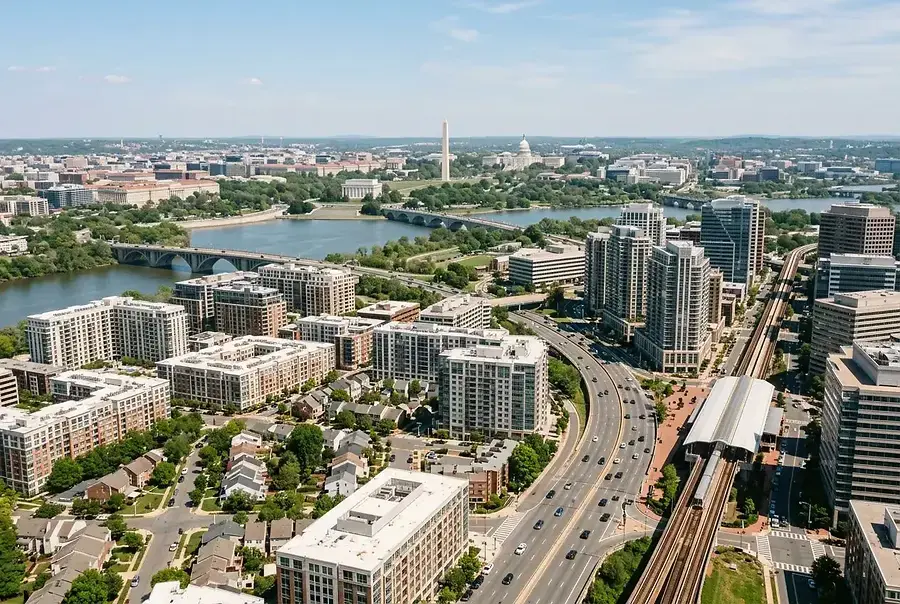
Introduction: The Evolving DC Metro Rental Landscape
The DC Metro rental market continues to experience significant transformation, driven by demographic shifts, economic growth, and changing tenant preferences. Real estate professionals operating across Maryland, Virginia, and Washington DC must stay informed about these evolving dynamics to identify lucrative investment opportunities and better serve their clients. The region's rental sector has become increasingly competitive, with investors seeking properties that align with current market demands and offer strong returns.
Understanding the nuances of this market is essential for success. From urban core apartments to suburban single-family rentals, the DC Metro region presents diverse opportunities for investors willing to adapt their strategies to local market conditions.
Key Market Dynamics: Supply, Demand, and Pricing Patterns Across Major Markets
Supply Trends
The DC Metro region has experienced steady growth in rental housing supply, particularly in mixed-use developments and transit-oriented communities. New construction continues to focus on:
- Urban infill projects in Washington DC and Arlington, Virginia
- Suburban multifamily complexes in Northern Virginia and Maryland
- Adaptive reuse properties converting commercial spaces into residential units
However, supply growth has not kept pace with demand in all submarkets, creating pricing pressure in high-demand areas. This imbalance presents strategic opportunities for investors targeting underserved neighborhoods.
Demand Patterns
Tenant demand in the DC Metro region reflects broader national trends with local variations:
- Young professionals seeking walkable, transit-accessible neighborhoods
- Remote workers prioritizing flexible living arrangements and home office space
- Families looking for suburban communities with excellent schools and amenities
- Empty nesters downsizing to urban apartments with low maintenance requirements
The diversity of tenant demographics creates multiple investment niches. Properties that cater to specific tenant profiles—whether through amenities, location, or unit configuration—command premium rents and experience lower vacancy rates.
Pricing Patterns
Rental rates across the DC Metro region vary significantly by submarket and property type. Washington DC proper commands the highest rents, with premium pricing in neighborhoods like Capitol Hill, Logan Circle, and the West End. Arlington and Alexandria in Northern Virginia follow closely, while Bethesda and Silver Spring in Maryland represent strong secondary markets with competitive pricing.
Emerging neighborhoods in outer suburbs offer more affordable entry points for investors, though with potentially lower rental growth rates. Strategic investors are identifying neighborhoods positioned for revitalization, where property appreciation and rental growth can significantly enhance returns.
Investment Opportunities: High-Growth Areas and Emerging Neighborhoods
High-Growth Corridors
Northern Virginia Tech Corridor: Areas surrounding major tech employers continue to attract investment capital. Properties near Reston, Herndon, and Falls Church benefit from strong employment centers and consistent tenant demand.
Maryland's I-270 Corridor: This region offers balanced growth with proximity to both Washington DC and Baltimore. Gaithersburg and Rockville represent mature markets with stable returns, while outer areas present growth opportunities.
DC's Emerging Neighborhoods: Ward 7 and Ward 8 properties offer compelling value propositions for investors seeking appreciation potential. Revitalization efforts and infrastructure improvements are gradually transforming these areas into attractive rental markets.
Emerging Neighborhoods with Strong Potential
Several neighborhoods are gaining traction among investors and tenants alike:
- Ballpark District (Washington DC): New development and sports-related activity are driving neighborhood growth and tenant interest
- Clarendon (Arlington): Continued revitalization and transit access make this area increasingly attractive to younger demographics
- Takoma Park (Maryland): Walkability, community character, and transit access appeal to families and young professionals
- Fairfax County Outer Areas: Affordable entry prices with growing employment centers nearby
Property Type Opportunities
Single-Family Rentals: Suburban single-family homes remain popular with families and offer strong cash flow potential. The DC Metro's suburban communities provide consistent demand for this property type.
Multifamily Apartments: Urban and near-urban multifamily properties continue to attract institutional investors. Newer construction with modern amenities commands premium rents and attracts quality tenants.
Mixed-Use Properties: Properties combining retail, office, and residential components benefit from diversified income streams and strong location fundamentals.
Strategic Investment Considerations
Success in the DC Metro rental market requires understanding local market dynamics, identifying undervalued properties in growth corridors, and positioning properties to meet evolving tenant demands.
Investors should consider:
- Proximity to transit: Properties near Metro stations or major transit corridors command premium rents
- Employment centers: Locations near major employers offer stable tenant demand
- School quality: For family-oriented properties, school district ratings significantly impact rental rates
- Amenity packages: Modern amenities like fitness centers, coworking spaces, and outdoor areas justify higher rents
- Demographic trends: Understanding local population growth and composition helps identify long-term opportunities
Conclusion: Positioning Your Clients for Success in the Rental Market
The DC Metro rental market offers diverse opportunities for real estate professionals and investors. Success requires a sophisticated understanding of local market dynamics, emerging neighborhoods, and evolving tenant preferences. By identifying properties in high-growth corridors, understanding supply and demand patterns, and positioning properties to meet tenant needs, investors can achieve strong returns while serving the region's growing rental population.
The key to success is strategic positioning—whether targeting established markets with stable returns or emerging neighborhoods with appreciation potential. Real estate professionals who stay informed about market trends and adapt their strategies accordingly will be best positioned to guide their clients toward profitable investments in this dynamic region.
As the DC Metro continues to evolve, opportunities abound for investors willing to conduct thorough market research, identify undervalued properties, and execute thoughtful investment strategies aligned with local market conditions.