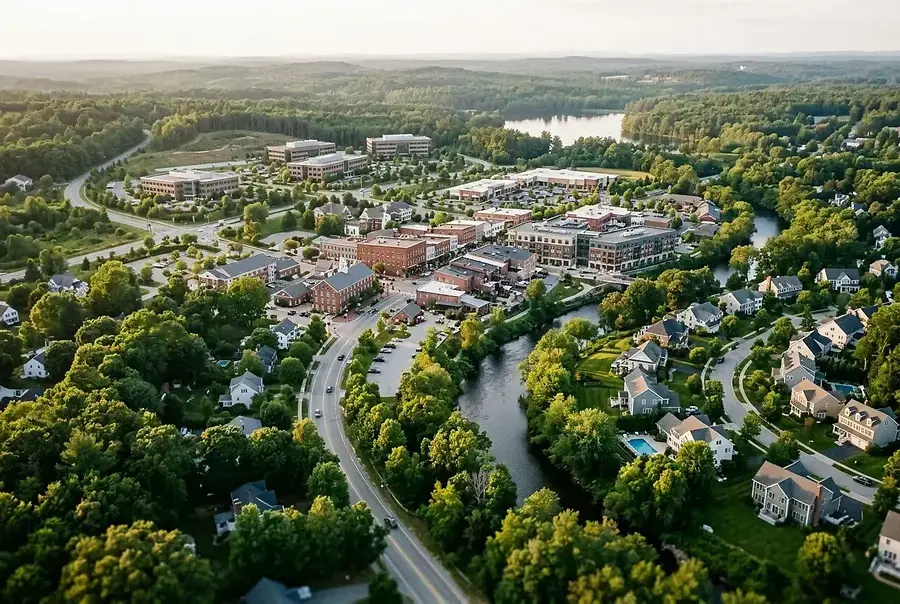
Understanding the Market Dynamics Behind Southeast NH Property Values
Southeast New Hampshire has emerged as one of New England's most dynamic real estate markets, attracting investors, families, and business owners seeking a balance between suburban convenience and rural charm. The region's 23 most sought-after communities have experienced significant appreciation, driven by a confluence of economic, demographic, and geographic factors that continue to shape property values.
The primary drivers of property appreciation in this region include proximity to major employment centers, quality school systems, and access to recreational amenities. Communities within 30-45 minutes of Boston's metropolitan area command premium prices, as remote work flexibility has expanded the geographic radius for commuters. Additionally, the region's natural beauty, including lakes, forests, and hiking trails, appeals to lifestyle-focused buyers willing to invest in their quality of life.
Economic Factors Influencing the Market
Population growth in Southeast New Hampshire has outpaced many neighboring regions, creating sustained demand for both residential and commercial properties. The influx of young professionals and families relocating from urban centers has driven residential prices upward by an average of 4-6% annually. Simultaneously, commercial real estate has benefited from businesses seeking lower operating costs while maintaining access to skilled labor and established infrastructure.
Interest rates, lending practices, and mortgage availability continue to play crucial roles in market dynamics. Recent market conditions have stabilized after periods of volatility, allowing both buyers and sellers to make more informed decisions based on realistic valuations rather than speculative trends.
Geographic and Demographic Considerations
The desirability of specific communities within Southeast New Hampshire varies based on several factors. Towns with excellent school districts, such as those in the Exeter and Portsmouth areas, consistently maintain higher residential values. Meanwhile, communities with developing commercial corridors attract business investment and mixed-use development opportunities.
Demographic shifts toward younger, more diverse populations have also influenced property preferences. Walkable town centers, modern amenities, and community engagement opportunities have become increasingly important to property buyers, affecting both pricing and development patterns across the region.
Comparing Residential and Commercial Real Estate Performance in Key Communities
Residential Market Trends
Residential properties in Southeast New Hampshire's premium communities range from $350,000 to over $1.2 million, depending on location, size, and condition. Single-family homes remain the dominant property type, accounting for approximately 70% of residential transactions. However, multi-family properties and condominiums have gained traction among downsizers and investors seeking rental income opportunities.
- High-demand communities include Exeter, Durham, Portsmouth, and Newmarket, where median home prices exceed regional averages
- Emerging markets in towns like Lee and Madbury offer better value while maintaining strong appreciation potential
- Waterfront properties command significant premiums, with lakefront and oceanfront homes appreciating 8-12% annually
- Historic homes in established neighborhoods attract buyers seeking character and established communities
Commercial Real Estate Performance
The commercial real estate sector in Southeast New Hampshire has demonstrated resilience and growth, with office, retail, and industrial properties all experiencing increased activity. Mixed-use developments combining residential and commercial spaces have become particularly popular, reflecting changing consumer preferences and business models.
Retail properties have adapted to e-commerce pressures by focusing on experiential shopping and service-based businesses. Office space demand has shifted toward flexible, modern facilities that support hybrid work arrangements. Industrial and warehouse properties have seen strong demand from logistics and distribution companies serving the Northeast corridor.
Strategic Pricing Insights for Buyers and Sellers in the Region
For Sellers: Maximizing Property Value
Sellers in Southeast New Hampshire should focus on strategic improvements that enhance curb appeal and functional value. Recent market analysis shows that kitchen and bathroom renovations, energy-efficient upgrades, and outdoor living spaces generate the highest return on investment. Properties priced within 5-10% of comparable sales typically sell faster and for better prices than overpriced alternatives.
Key pricing strategies include:
- Conducting thorough comparative market analysis using recent sales data
- Investing in professional staging and photography to showcase property potential
- Timing the market strategically to avoid seasonal slowdowns
- Highlighting unique features and community amenities that justify premium pricing
For Buyers: Finding Value and Opportunity
Buyers entering the Southeast New Hampshire market should approach purchases strategically. Off-season buying (late fall and winter) often provides better negotiating leverage and less competition. Properties requiring cosmetic updates frequently offer the best value, as buyers can customize renovations to personal preferences while building equity through improvements.
First-time homebuyers should prioritize location and condition over size, as these factors most significantly impact long-term appreciation. Investors should analyze rental market dynamics and tenant demand in specific communities before committing capital to income-producing properties.
Positioning Your Property for Maximum Return on Investment
Residential Investment Strategies
Investors seeking residential properties in Southeast New Hampshire should focus on communities with strong school systems and employment growth. Single-family rentals in established neighborhoods typically generate 4-6% annual returns, while multi-family properties offer higher yields but require more active management. The region's growing population ensures consistent tenant demand and rental rate appreciation.
Commercial Investment Opportunities
Commercial properties offer compelling opportunities for investors with longer time horizons. Mixed-use developments in town centers provide diversified income streams and benefit from community revitalization efforts. Net-lease arrangements with established tenants provide stable, predictable returns while minimizing management responsibilities.
Long-Term Value Creation
Regardless of property type, successful investors in Southeast New Hampshire focus on fundamental value creation. This includes maintaining properties to high standards, staying attuned to market trends, and positioning assets to benefit from community development and economic growth. Properties in communities with strong municipal planning, infrastructure investment, and business development initiatives consistently outperform those in stagnant markets.
The Southeast New Hampshire real estate market rewards informed investors who understand local dynamics, recognize emerging opportunities, and position their properties strategically within their communities. Success requires balancing market knowledge with patience, discipline, and a long-term perspective on value creation.
Whether buying, selling, or investing in Southeast New Hampshire real estate, understanding these market dynamics provides the foundation for making confident, profitable decisions in one of New England's most vibrant and growing regions.