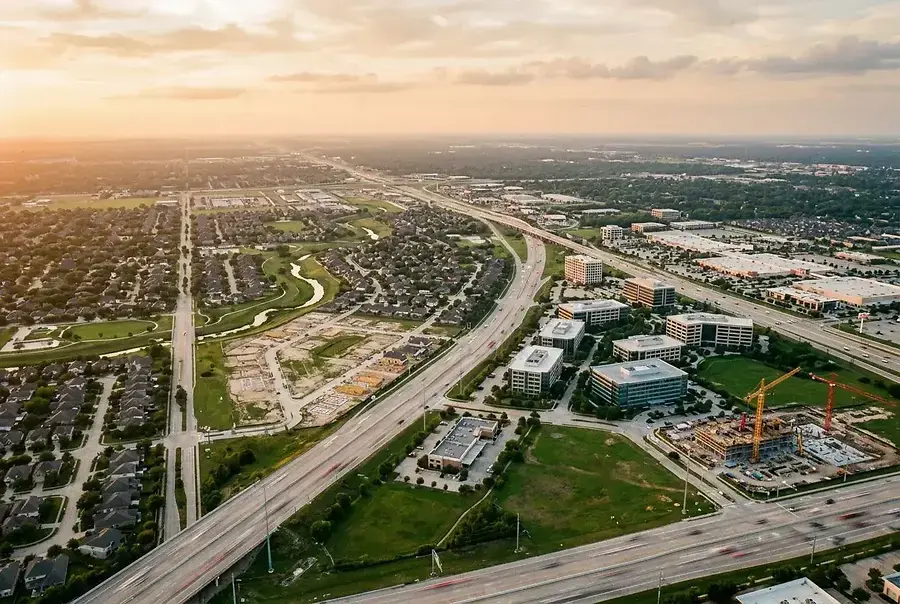
Introduction: The Dual Market Dynamics of Southwest Houston
Southwest Houston represents one of the most dynamic real estate markets in Texas, encompassing thriving communities from Katy to Richmond. This region has experienced unprecedented growth, driven by population expansion, corporate relocations, and infrastructure development. Understanding the distinct cycles of residential and commercial real estate in this area is essential for investors seeking to maximize returns and position themselves strategically in the market.
The Southwest Houston corridor offers unique opportunities because residential and commercial markets often move on different timelines. While homebuyers respond to interest rates and lifestyle preferences, commercial investors focus on employment growth and business expansion. By recognizing these patterns, savvy investors can capitalize on market inefficiencies and build diversified portfolios.
Residential Market Cycles: Trends in Houston's Suburban Communities
Population Growth and Housing Demand
The residential market in Southwest Houston has been fueled by consistent population growth. Communities like Katy, Sugar Land, and Pearland have seen their populations surge as families seek affordable housing, excellent schools, and suburban lifestyles. This demand has created a seller's market in many neighborhoods, with inventory remaining tight and prices appreciating steadily.
Key factors driving residential demand include:
- School Quality: Top-rated school districts attract families willing to pay premium prices
- Affordability: Compared to other major metros, Southwest Houston offers reasonable entry points
- Infrastructure: Improved highways and public amenities enhance community appeal
- Employment Centers: Proximity to major job hubs reduces commute times
Seasonal Patterns and Market Timing
Residential real estate in Southwest Houston follows predictable seasonal cycles. Spring and early summer typically see peak buyer activity, with homes selling faster and at higher prices. Fall and winter months experience slower activity, offering negotiating advantages for buyers. Understanding these patterns helps investors time purchases and sales strategically.
Inventory levels fluctuate seasonally, with spring bringing increased listings and winter seeing reduced supply. This creates opportunities for investors to acquire properties at better terms during slower seasons.
Commercial Real Estate Opportunities and Growth Patterns
Office and Retail Expansion
Commercial real estate in Southwest Houston is experiencing robust growth driven by corporate expansion and business diversification. Major employers continue relocating to the region, creating demand for office space, retail centers, and industrial facilities. The commercial market operates on longer cycles than residential, with lease terms spanning multiple years and investment horizons extending beyond typical home ownership periods.
Growth sectors include:
- Technology and Professional Services: High-growth industries seeking modern office space
- Healthcare: Expanding medical facilities and wellness centers
- Retail and Mixed-Use Development: Shopping centers and lifestyle communities
- Industrial and Logistics: Warehousing and distribution centers supporting e-commerce
Commercial Market Cycles and Economic Indicators
Commercial real estate cycles are closely tied to economic conditions, employment rates, and business confidence. Unlike residential markets driven by individual buyer sentiment, commercial markets respond to corporate earnings, expansion plans, and capital availability. This creates opportunities for investors who can read economic signals and anticipate business cycles.
Commercial properties typically appreciate more slowly than residential homes but offer superior cash flow through rental income. This makes them attractive for long-term wealth building and portfolio diversification.
Timing Your Investment: When to Buy Residential vs. Commercial Properties
Residential Investment Strategy
For residential properties, timing revolves around buyer demand cycles and interest rate environments. Buy during slower seasons (fall and winter) when inventory is higher and sellers are more motivated. Monitor interest rate trends—lower rates increase buyer purchasing power and drive prices up, while higher rates create buying opportunities as demand softens.
Consider these timing factors:
- School calendar cycles (families often move during summer breaks)
- Interest rate forecasts and Federal Reserve policy
- Local employment announcements and corporate relocations
- New infrastructure projects that enhance community value
Commercial Investment Strategy
Commercial real estate investment requires a longer-term perspective. Identify emerging business districts before they become saturated with competition. Look for areas experiencing employment growth and infrastructure improvements. Commercial properties often present better value during economic slowdowns when business confidence is low and cap rates are attractive.
Key timing considerations include:
- Economic growth indicators and employment trends
- Corporate expansion announcements in the region
- Interest rate environments affecting borrowing costs
- Lease rate trends and occupancy rates
Mixed Portfolio Approach
The most successful investors in Southwest Houston maintain balanced portfolios combining both residential and commercial properties. This diversification provides stability—when residential markets cool, commercial opportunities may be heating up, and vice versa. Residential properties offer lifestyle benefits and emotional appeal, while commercial properties provide consistent cash flow and tax advantages.
A balanced approach might include primary residence ownership, rental properties for income generation, and commercial real estate for long-term appreciation and portfolio diversification.
Conclusion: Positioning Yourself for Success in Southwest Houston's Markets
Southwest Houston's real estate market offers exceptional opportunities for investors who understand market cycles and timing. The region's continued growth, driven by population expansion and economic development, creates favorable conditions for both residential and commercial investments.
Success requires:
- Market Knowledge: Stay informed about local trends, employment data, and infrastructure projects
- Patience: Wait for optimal entry points rather than chasing hot markets
- Diversification: Balance residential and commercial investments to manage risk
- Professional Guidance: Work with experienced real estate agents and investment advisors
- Long-term Vision: Focus on sustainable growth rather than quick profits
By understanding the distinct cycles of residential and commercial real estate, monitoring economic indicators, and maintaining a disciplined investment approach, you can position yourself to capitalize on Southwest Houston's continued growth and build substantial wealth in one of Texas's most dynamic real estate markets.