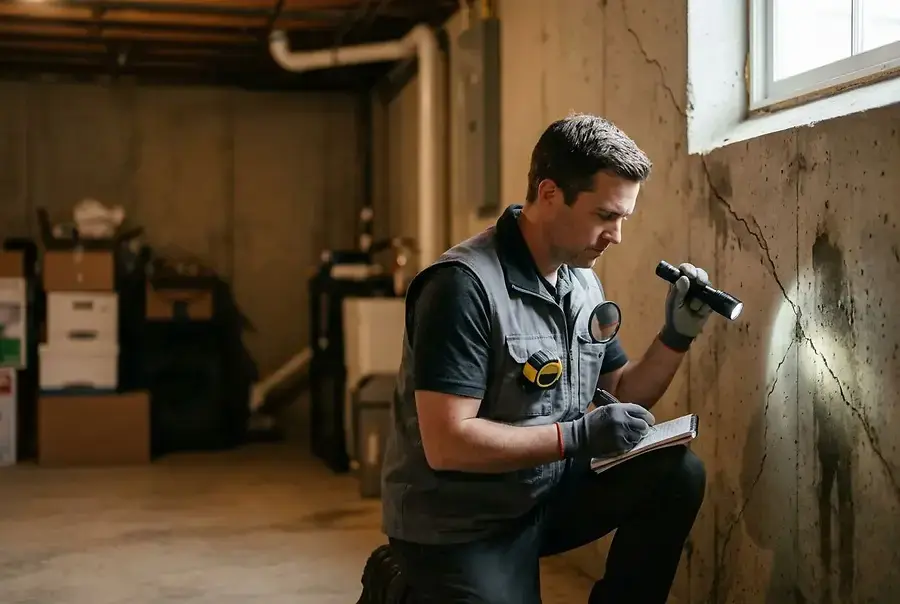
Why Foundation and Structural Inspections Matter for Residential Buyers
Purchasing a home is one of the most significant financial decisions you'll make in your lifetime. While many buyers focus on aesthetics, location, and amenities, the foundation and structural integrity of a property are equally—if not more—important. A solid foundation is the literal backbone of any residential structure, and overlooking potential issues can lead to costly repairs, safety hazards, and diminished property value.
Foundation and structural problems often develop gradually and may not be immediately visible to the untrained eye. By understanding what to look for and investing in a professional inspection, you can make an informed decision and avoid purchasing a property with hidden liabilities that could drain your finances for years to come.
Common Structural Problems Found in Residential Properties and Red Flags to Identify
Foundation Cracks and Settlement Issues
One of the most common structural concerns is foundation cracks. While minor hairline cracks are often normal and expected in concrete, larger cracks—particularly those wider than 1/4 inch—warrant professional evaluation. Diagonal cracks, stair-step patterns, and horizontal cracks are especially concerning as they may indicate serious foundation movement or settling.
Signs of foundation settlement include:
- Uneven or sloping floors
- Doors and windows that stick or won't close properly
- Gaps between walls and ceilings or floors
- Visible cracks in drywall or plaster
Water Damage and Moisture Issues
Water intrusion is a major threat to structural integrity. Basements and crawl spaces are particularly vulnerable to moisture problems, which can lead to mold growth, wood rot, and weakened structural components. Look for water stains, efflorescence (white mineral deposits), and musty odors as indicators of moisture problems.
Bowing or Leaning Walls
Walls that bow inward or lean outward indicate serious structural stress. This is often caused by excessive soil pressure, poor drainage, or foundation failure. Bowing walls require immediate professional assessment and are a major red flag that should not be ignored.
Rotting Wood and Pest Damage
Structural wood components can deteriorate due to moisture exposure, termites, carpenter ants, and other pests. Soft, spongy wood that can be easily penetrated with a screwdriver indicates rot. Pest damage may be visible as tunnels, sawdust, or hollow-sounding wood.
Sagging Roofs and Ceilings
A sagging roof or ceiling suggests that the structural support system is compromised. This could be due to inadequate support beams, water damage, or the weight of accumulated snow and ice. This issue requires urgent professional evaluation and repair.
Chimney and Masonry Problems
Deteriorating mortar joints, missing bricks, and leaning chimneys can indicate structural issues. Chimneys should be plumb (perfectly vertical), and any deviation suggests potential problems with the foundation or structural support.
How Structural Issues Affect Property Value and Long-Term Ownership Costs
Impact on Property Value
Structural problems directly impact a home's market value. Properties with known foundation or structural issues typically sell for significantly less than comparable homes in good condition. Buyers are understandably hesitant to invest in properties requiring expensive repairs, and lenders may refuse to finance homes with serious structural defects.
A home with significant structural issues can lose 10-30% of its market value, depending on the severity of the problems and the local real estate market.
Long-Term Repair and Maintenance Costs
Structural repairs are among the most expensive home improvements. Foundation repairs can range from a few thousand dollars for minor issues to $50,000 or more for major structural work. Additionally, structural problems often cascade—a compromised foundation can lead to:
- Increased utility bills due to poor insulation and air leakage
- Mold remediation and health-related expenses
- Ongoing maintenance to prevent further deterioration
- Difficulty obtaining homeowner's insurance or higher premiums
Safety and Liability Concerns
Beyond financial considerations, structural problems pose genuine safety risks to occupants. A compromised foundation could lead to catastrophic failure, and water damage creates environments where mold and other hazardous substances thrive. As a homeowner, you may also face liability issues if structural problems cause injury or damage to others.
Resale Challenges
Homes with known structural issues are difficult to sell. Future buyers will demand inspections, and the problems will be discovered. This limits your pool of potential buyers and may require you to accept a lower offer or invest in expensive repairs before selling.
Protecting Your Investment Through Professional Structural Assessment
Hire a Qualified Home Inspector
Always hire a licensed, certified home inspector before purchasing a residential property. A thorough inspection should include a detailed examination of the foundation, structural components, roof, and all visible structural elements. Don't rely solely on the seller's disclosure or a cursory walkthrough.
Consider a Structural Engineer Evaluation
If the home inspector identifies potential structural concerns, hire a structural engineer for a more detailed assessment. Engineers can provide expert analysis and recommendations for repairs, which is invaluable when negotiating with sellers or planning future maintenance.
Review Inspection Reports Carefully
Take time to understand the inspection report. Ask your inspector to explain any concerns in detail and clarify what issues require immediate attention versus those that can be monitored over time. Use this information to negotiate repairs or price adjustments with the seller.
Get Multiple Opinions
If significant structural issues are identified, don't hesitate to seek a second opinion from another qualified professional. The cost of an additional inspection is minimal compared to the potential expense of undiagnosed structural problems.
Conclusion: Protecting Your Investment Through Professional Structural Assessment
Foundation and structural integrity are non-negotiable aspects of residential property evaluation. By understanding common structural problems, recognizing red flags, and investing in professional inspections, you can make a confident, informed purchase decision. Remember that structural issues are not cosmetic problems that can be ignored—they directly impact your safety, finances, and the long-term value of your investment.
Take the time to thoroughly inspect any property before making an offer. The relatively small investment in professional assessment can save you from making a costly mistake and protect your most valuable asset for years to come.