Understanding Residential-Commercial Hybrid Properties and Market Demand
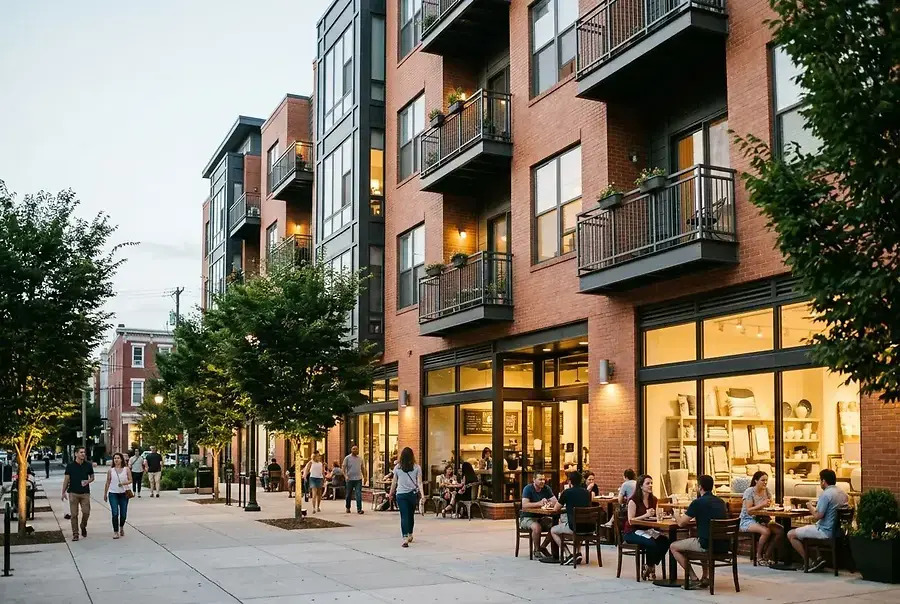
Residential-commercial hybrid properties represent one of the most dynamic segments in the Philadelphia region's real estate market. These mixed-use developments combine residential units with commercial spaces—such as retail shops, offices, restaurants, or service providers—under a single property or development. This innovative approach addresses a fundamental shift in how people want to live and work.
The Philadelphia region, including areas like Huntingdon Valley and Montgomery County, has experienced unprecedented demand for these hybrid properties. Urban professionals increasingly seek walkable neighborhoods where they can live, work, and socialize without extensive commutes. Families appreciate the convenience of having essential services and entertainment within their residential communities. This convergence of lifestyle preferences has created a robust market for mixed-use developments.
Why Hybrid Properties Matter Today
The appeal of residential-commercial hybrid properties extends beyond convenience. These developments foster vibrant, self-sustaining communities that attract long-term residents and tenants. Commercial spaces generate foot traffic that benefits all businesses in the area, while residential units provide stable, consistent rental income. This synergy creates a resilient investment model that performs well across various economic cycles.
Additionally, hybrid properties align with broader urban planning trends emphasizing sustainability and reduced car dependency. Communities that support walking and public transportation are increasingly valued by both residents and investors, making these properties particularly attractive in established neighborhoods throughout the Philadelphia region.
Investment Potential: Returns and Growth Opportunities in Philadelphia, Huntingdon Valley, and Montgomery County
The investment potential of residential-commercial hybrid properties is substantial and multifaceted. Unlike traditional single-use properties, hybrid developments generate revenue from multiple sources, significantly enhancing overall returns.
Dual Income Streams
The primary advantage of hybrid properties is their ability to generate income from both residential and commercial tenants. Residential units provide steady, predictable rental income, while commercial spaces often command premium rents and may include additional revenue from percentage leases or triple-net arrangements. This diversification reduces vacancy risk and stabilizes cash flow.
Appreciation and Long-Term Growth
Properties in Philadelphia, Huntingdon Valley, and Montgomery County have demonstrated consistent appreciation, particularly in neighborhoods undergoing revitalization. Hybrid properties benefit from this appreciation while also generating immediate income, creating a powerful wealth-building strategy. The combination of rental income and property appreciation often outperforms traditional residential or commercial investments.
Market Demand and Occupancy Rates
Current market conditions show strong demand for both residential and commercial spaces in the Philadelphia region. Occupancy rates for well-maintained hybrid properties remain high, with many developments maintaining 95% or higher occupancy. This strong demand translates to competitive rental rates and reduced vacancy periods, directly improving investor returns.
Navigating Zoning, Permits, and Regulations for Hybrid Properties
Successfully investing in residential-commercial hybrid properties requires thorough understanding of local zoning laws and regulatory requirements. Philadelphia, Bucks County, and surrounding municipalities each have distinct regulations governing mixed-use developments.
Zoning Considerations
Most municipalities in the Philadelphia region have zoning designations that permit mixed-use development, though specific requirements vary. Some areas have dedicated mixed-use zones, while others allow hybrid properties through conditional use permits or variances. Understanding your property's zoning classification and permitted uses is essential before making an investment decision.
Permitting and Compliance
Hybrid properties require compliance with both residential and commercial building codes. This includes:
- Separate entrances and exits for residential and commercial spaces
- Adequate parking for both uses
- Fire safety systems appropriate for mixed-use occupancy
- ADA accessibility requirements for commercial areas
- Environmental assessments and remediation if necessary
Working with experienced architects, engineers, and legal professionals familiar with Philadelphia-area regulations is crucial. These experts can navigate the permitting process efficiently and ensure your property meets all local requirements.
Professional Guidance
Given the complexity of hybrid property regulations, engaging qualified professionals is not optional—it's essential. Real estate attorneys, zoning consultants, and experienced property managers can identify potential issues early and help you avoid costly mistakes.
Making Your Investment Decision: Key Considerations for Success
Before investing in a residential-commercial hybrid property, carefully evaluate several critical factors to ensure success.
Location and Market Analysis
Location remains paramount. Properties in established neighborhoods with strong fundamentals—good schools, public transportation access, and economic stability—perform better long-term. Analyze demographic trends, employment centers, and neighborhood development plans. Properties in areas experiencing revitalization often offer the best growth potential.
Property Condition and Renovation Costs
Thoroughly inspect any property you're considering. Hybrid properties often require specialized systems and may have deferred maintenance issues. Obtain detailed cost estimates for any necessary renovations before committing to a purchase. Factor these costs into your investment analysis to ensure the property still meets your return requirements.
Tenant Mix and Lease Terms
Evaluate existing tenants carefully. Strong, creditworthy commercial tenants with long-term leases provide income stability. Residential tenants should align with neighborhood demographics. Review all lease terms, renewal dates, and rent escalation clauses. Properties with staggered lease expirations reduce the risk of simultaneous vacancies.
Financial Projections and Risk Assessment
Develop conservative financial projections based on realistic occupancy rates and market rents. Include reserves for maintenance, vacancies, and unexpected repairs. Calculate your expected return on investment, considering both cash flow and appreciation. Don't assume best-case scenarios; instead, stress-test your assumptions against various market conditions.
Management Requirements
Hybrid properties require sophisticated management addressing both residential and commercial tenant needs. Determine whether you'll self-manage or hire professional management. Professional management costs typically range from 8-12% of gross revenue but provide expertise and reduce your operational burden.
Residential-commercial hybrid properties represent a compelling investment opportunity for those willing to navigate their complexity. The Philadelphia region's strong market fundamentals, combined with growing demand for mixed-use communities, create favorable conditions for hybrid property investments. By thoroughly understanding market dynamics, regulatory requirements, and financial implications, investors can capitalize on this transformative real estate trend and build substantial wealth while contributing to vibrant, sustainable communities.