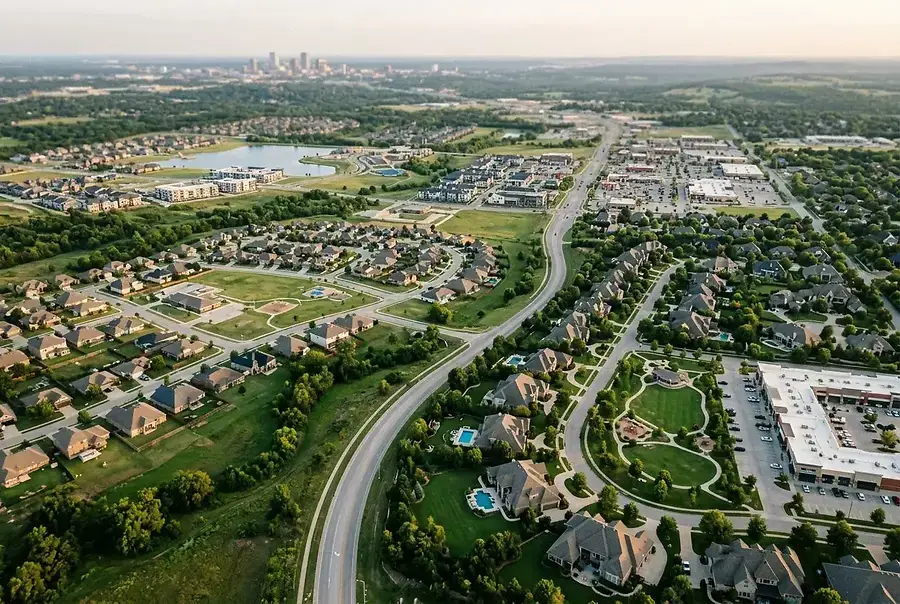
Understanding Residential Property Values in Oklahoma's Diverse Markets
Oklahoma's real estate market offers diverse opportunities for homebuyers and investors seeking to understand property values across different communities. The Tulsa metropolitan area, in particular, presents a fascinating landscape of residential markets, each with its own unique characteristics, price points, and investment potential. Whether you're a first-time homebuyer, an experienced investor, or someone looking to relocate, understanding how home values compare across these 13 communities can help you make an informed decision that aligns with your financial goals and lifestyle preferences.
The residential real estate market in Oklahoma has experienced notable shifts in recent years, with various communities experiencing different growth trajectories. Some neighborhoods have seen significant appreciation, while others offer excellent value for budget-conscious buyers. By examining the factors that influence property values and comparing prices across communities, you can identify opportunities that match your specific needs and investment timeline.
Price Comparisons: How Home Values Differ Across Key Communities
Premium Markets: Broken Arrow and Jenks
Broken Arrow and Jenks consistently rank among the most expensive communities in the Tulsa area. These communities are known for their excellent school systems, well-maintained infrastructure, and family-friendly environments. Median home values in Broken Arrow typically range higher than many surrounding communities, reflecting strong demand from families and investors. Jenks, located along the Arkansas River, offers similar premium pricing due to its desirable location, quality schools, and recreational amenities.
- Broken Arrow: Known for top-rated schools and suburban appeal
- Jenks: Features riverside living and excellent educational institutions
Mid-Range Markets: Tulsa, Bixby, and Owasso
Tulsa, the state's second-largest city, offers a diverse range of neighborhoods with varying price points. The urban core provides more affordable options compared to suburban communities, while established neighborhoods like Midtown and the Pearl District command premium prices. Bixby and Owasso occupy the mid-range market, offering good value with strong community amenities and solid appreciation potential. These communities attract buyers seeking a balance between affordability and quality of life.
Value-Oriented Communities: Catoosa, Claremore, and Sapulpa
For buyers prioritizing affordability without sacrificing community quality, Catoosa, Claremore, and Sapulpa present excellent opportunities. These communities offer lower median home prices while maintaining good schools, local amenities, and reasonable commute times to Tulsa. They appeal to first-time homebuyers, retirees, and investors seeking rental income potential with lower entry costs.
Factors Driving Residential Values: What Makes Some Oklahoma Communities More Valuable Than Others
School District Quality and Educational Excellence
One of the most significant factors influencing residential property values across Oklahoma communities is the quality of local school districts. Families with children prioritize neighborhoods with highly-rated schools, which directly impacts demand and property appreciation. Communities like Broken Arrow and Jenks have built strong reputations for educational excellence, commanding premium prices as a result. Even families without school-age children recognize that strong school districts support long-term property value appreciation.
Infrastructure Development and Accessibility
The availability of modern infrastructure, including well-maintained roads, utilities, and public services, significantly impacts property values. Communities with planned development, new commercial centers, and improved transportation corridors tend to experience stronger appreciation. Proximity to major highways, employment centers, and shopping districts makes certain communities more desirable and valuable. Communities experiencing infrastructure improvements often see corresponding increases in residential property values.
Economic Growth and Employment Opportunities
Areas with diverse employment opportunities and growing business sectors attract more residents, increasing demand for housing. Communities near major employers or in regions experiencing economic expansion typically see stronger property value growth. The presence of corporate headquarters, manufacturing facilities, and service sector jobs creates stable demand for residential properties and supports long-term appreciation.
Community Amenities and Quality of Life
Parks, recreational facilities, cultural attractions, and dining options contribute significantly to a community's appeal and property values. Communities offering comprehensive amenities attract residents willing to pay premium prices for enhanced lifestyle benefits. Access to golf courses, nature trails, performing arts venues, and shopping districts can justify higher property values and support sustained appreciation.
Population Growth and Demographic Trends
Communities experiencing population growth typically see increased demand for housing, which supports property value appreciation. Demographic trends, including migration patterns and age distribution, influence which communities attract new residents. Areas attracting young professionals, families, and retirees simultaneously often experience the strongest property value growth.
Market Supply and Demand Dynamics
The fundamental economic principle of supply and demand directly impacts residential property values. Communities with limited housing inventory relative to buyer demand experience stronger price appreciation. Conversely, areas with abundant available properties may see more moderate price growth or stability. Understanding local inventory levels helps predict future appreciation potential.
Choosing the Right Oklahoma Community Based on Your Budget and Investment Goals
For First-Time Homebuyers
First-time buyers should consider value-oriented communities offering affordable entry prices with solid appreciation potential. Communities like Catoosa and Sapulpa provide excellent opportunities to build equity while maintaining reasonable monthly payments. These areas often feature new construction options and developer incentives that benefit first-time purchasers.
For Growing Families
Families prioritizing school quality should focus on communities like Broken Arrow, Jenks, and Owasso. While these communities command higher prices, the investment in quality education and family-friendly environments often justifies the premium. These neighborhoods typically offer excellent long-term appreciation potential due to sustained demand from families.
For Investment-Focused Buyers
Investors should analyze rental demand, appreciation trends, and cash flow potential across communities. Mid-range markets like Bixby and Owasso often provide the best balance of appreciation potential and rental income. Communities experiencing infrastructure improvements or economic development present particularly attractive investment opportunities.
For Retirees and Downsizers
Retirees may prefer communities offering lower property costs, reduced maintenance requirements, and proximity to healthcare facilities. Claremore and Catoosa offer affordable options with good quality of life. Some established Tulsa neighborhoods also provide excellent opportunities for retirees seeking urban convenience with lower price points.
Making Your Decision: Evaluate your priorities, timeline, and financial situation carefully. Consider working with local real estate professionals who understand each community's unique characteristics and market dynamics. By aligning your choice with your specific goals and circumstances, you can make a confident investment in Oklahoma's residential real estate market.